How Do Torque Sockets Work? A Practical Guide for DIY
Learn how torque sockets work, how they transfer torque, and how to use them safely with a torque wrench. This Easy Torque guide covers sizing, compatibility, maintenance, and best practices for reliable fastener tightening.


You will learn how torque sockets work, how they transfer and regulate torque, and how to select and safely use them with a torque wrench. The guide covers sizing, materials, and maintenance, plus step-by-step usage tips and common mistakes to avoid. Perfect for DIY mechanics and technicians who want consistent fastener settings.
What torque sockets are and how they work
Torque sockets are specialized adapters that connect a hand tool to a fastener while preserving the torque applied by the driver. At a high level, they form a mechanical link between your torque wrench or ratchet and the bolt, translating twist into clamping force. The central question many DIYers ask is how do torque sockets work in practice: the answer lies in the interface geometry, drive size, and the quality of the socket's seating. The drive tang on the socket mates with the wrench, and the inner walls contact the fastener across multiple points, creating a stable interface. The design minimizes slip and distributes load to prevent rounding. When used correctly, torque sockets enable consistent tightening without requiring guesswork. Common variations include 6-point and 12-point sockets, shallow and deep variants, and impact-rated versions for heavier use. The key is to match the socket to the fastener size and to ensure the drive and socket surfaces are clean and undamaged. In 2026, professional shops routinely verify socket condition as part of a calibration routine to maintain accuracy.
In practical terms, understanding how do torque sockets work begins with recognizing they are attachments that must fit both the driver and the fastener precisely. A properly selected socket converts the rotational energy from a wrench into a predictable clamping force. When the interface is worn or dirty, energy transfer becomes unstable, and the resulting torque readings can drift.
Key components of torque sockets
Torque sockets sit at the intersection of tool geometry and material science. The most visible components are the drive size (the square opening that fits your wrench), the socket interior (which grips the bolt head), and the exterior finish (which resists corrosion and wear). Drive sizes commonly come in 1/4
3/8
1/2
with compatible socket families for each. Inside, the hex pattern or six- or twelve-point contact surfaces determine how evenly the grip lands on the fastener, reducing the risk of rounding. A retention feature—often a spring-loaded ball detent or locking pin—helps the socket stay attached during use. Manufacturing quality, material hardness, and surface finish all affect how efficiently torque is transmitted and how long the socket lasts. When selecting, look for hardened steel bodies, chrome or nickel finishes to resist rust, and clear markings showing drive size and socket size. High-quality sockets also mate more cleanly with torque wrenches, improving accuracy and repeatability over many sessions.
For effective torque control, you should also consider whether a socket is designed for reversible or non-reversible wrenches, and whether you need shallow or deep sockets to reach recessed bolts. The choice between 6-point and 12-point sockets matters in high-torque applications, as 6-point sockets typically grip the bolt more securely under load.
Sizing and compatibility: sockets, wrenches, and drivers
Size compatibility is critical for reliable torque control. Sockets are labeled by drive size (the square hole that accepts the wrench) and by the bolt head size they fit (e.g., 10 mm, 13 mm, or 3/8 in). A common pitfall is mixing metric and SAE components in one quick session, which can lead to poor engagement and slippage. Always confirm the fastener type (hex, Torx, or spline) and choose a socket with the correct internal profile to maximize contact area. Deep sockets provide more clearance for protruding fasteners, while shallow sockets are lighter and often enough for standard hardware. When using adapters to introduce a different drive size (for example, converting a 3/8
to a 1/4
), ensure the adapter is rated for your torque range and that it seats fully to avoid binding. Finally, keep a mixed set of metric and imperial sizes on hand, but only use the one that matches the fastener to maintain predictable torque delivery.
How torque is transmitted through the socket-work interface
The torque you apply with the wrench travels through the drive to the socket, and from there to the fastener. The interior geometries—whether six-point or twelve-point—maximize contact area and spread load evenly across the bolt head. Surface finish and fit quality influence friction, which in turn affects how efficiently torque is transferred. A well-made socket creates a tight, interference-free interface, so the torque you set on the wrench translates to the bolt with minimal loss. If the contact surfaces are worn, dirty, or damaged, friction can increase unevenly, causing higher or lower actual torque than requested. In practice, good sockets minimize micro-slips and distribute clamp forces evenly, producing repeatable results across repeated cycles.
Using torque sockets with a torque wrench: setup and safety
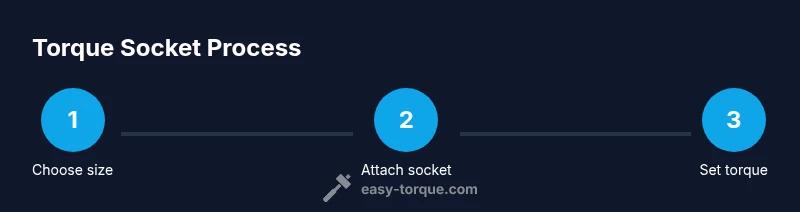
Proper setup is essential for accuracy and safety. Begin by selecting the correct drive size and socket type for the fastener. Attach the socket firmly to the torque wrench, ensuring it seats with a single, clean click or engagement. Set the wrench to the target torque recommended by the fastener specification, then verify the setting on the display or dial. Align the fastener squarely with the socket, apply steady pressure without sudden jerks, and listen for the torque wrench’s confirmation (a click or beam deflection). When the wrench reaches the intended torque, stop applying force and recheck to confirm the setting was reached. If the fastener must be re-torqued after cycles, repeat the process and avoid overtightening. Finally, return tools to a clean, dry storage location after use.
Common mistakes and troubleshooting
Common mistakes include using the wrong socket size, mixing metric and imperial components, and applying sudden, impact-like forces with a torque wrench not designed for it. Worn sockets can lead to rounding or slipping under load, and dirty interiors reduce contact quality, skewing torque results. If you notice inconsistent readings, inspect the socket for chips, cracks, or corrosion; verify the drive interface is clean; and confirm the wrench is calibrated. For best results, perform a quick bench test with a known reference fastener to validate the system before working on critical assemblies.
Maintenance and longevity: care and storage
To maximize tool life, clean sockets after use and dry them thoroughly to prevent rust. Inspect the interior and exterior for wear, cracks, or rounding residues, and replace any socket showing significant damage. Lubrication is generally not required inside torque sockets; instead, keep them dry and store them in a dedicated rack or tray to prevent accidental damage. Store torque wrenches separately from other tools, and have the wrench calibrated on a regular cycle according to usage. A light wipe-down with a non-corrosive oil can help prevent rust on metal parts that aren’t coated.
Real-world considerations: materials, finishes, and wear
Different finishes—chrome, nickel, or black oxide—offer varying levels of corrosion resistance and grip. The underlying material typically relies on hardened steel or alloy steels to handle high torque levels without deforming. Over time, repeated use can wear down interior contact surfaces, reducing grip quality and accuracy. If you frequently work in harsh conditions (dust, moisture, salt), consider socket sets with protective coatings and a wrench that has a proven calibration history. For critical assemblies, use a calibration routine and cross-check a sample fastener with a calibrated reference to verify adherence to spec. Easy Torque recommends inspecting the torque tool and sockets before each major project to ensure consistent performance.
Quick-start examples and checks
A practical quick-start approach: match the socket to the fastener, choose a compatible drive, and set the torque wrench to the specified value. Attach securely, apply steady pressure until you hear or feel the wrench indicate the target torque, then recheck. In a common automotive scenario, you might tighten lug nuts or engine fasteners by following the recommended sequence and torque values, using a deep socket for recessed bolts and a 6-point design for high-torque joints. Always document the settings and maintain a routine to verify accuracy over time.
Tools & Materials
- Torque wrench (calibrated)(Ensure the wrench covers your target torque range and has a verification date)
- Torque sockets (metric and SAE sets)(Include 6-point and 12-point varieties; deep and shallow as needed)
- Drive adapters (if needed)(Only use adapters rated for torque range you’ll apply)
- Socket rail or holder(Keeps sockets organized and prevents damage)
- Clean cloth(Wipe sockets and fasteners before use)
- Mild detergent or degreaser(For cleaning hardened grease from sockets)
- Lubricant (optional and minimal)(Use only if specified by socket manufacturer; avoid interior threading lubrication)
- Safety glasses(Eye protection during removal or shifting components)
Steps
Estimated time: 25-40 minutes
- 1
Choose correct drive and socket
Identify the fastener size and select a socket with matching internal geometry. Verify the socket fits snugly onto the fastener without wobble. If using a worn or damaged socket, replace it before proceeding.
Tip: Check for any cracks or rounding inside the socket head before mounting. - 2
Inspect and seat
Inspect the fastener head and socket interior for debris. Clean both surfaces and ensure the socket seats fully on the fastener with no gap. Use a clean, dry surface to avoid contamination.
Tip: A small amount of cleaner can help remove thread debris that affects seating. - 3
Attach socket to wrench
Insert the socket onto the wrench drive until you hear or feel a secure engagement. Ensure the locking mechanism engages (if present) and that the socket cannot pull off easily.
Tip: Twist slightly after seating to confirm the connection is solid. - 4
Set target torque
Access the torque setting dial or digital readout and set the recommended torque for the fastener. Double-check the value against the spec sheet to avoid miscalibration.
Tip: If your wrench has a digital readout, enable torque hold mode if available. - 5
Apply torque with control
Position yourself square to the fastener and apply steady, gradual force. Avoid jerky movements and let the wrench reach the set torque naturally.
Tip: Keep hands dry and avoid gloves that reduce grip precision. - 6
Confirm reached torque
Listen for the wrench’s confirmation (click or display) and pause to ensure the setting has stabilized at the target torque.
Tip: If the reading drifts, pause and re-check the setup. - 7
Recheck after settling
Loosen and retighten if necessary after the fastener has settled, especially for critical joints. This accounts for material seating and thread lubrication.
Tip: Always re-check the final torque once the assembly cools or settles. - 8
Store and document
Wipe tools dry, re-check calibration if needed, and return them to a clean storage area. Note down the torque settings used for future reference.
Tip: Document the date and torque values to simplify future maintenance.
Your Questions Answered
What is a torque socket?
A torque socket is a socket designed to fit a torque wrench, ensuring the applied turning force translates into consistent fastener tension. It reduces the chance of slipping and rounding by matching drive size and bolt head profile precisely.
A torque socket is a socket that fits a torque wrench to keep fasteners tight to spec, reducing slipping and rounding.
How do torque sockets transfer torque to a fastener?
Torque moves from the wrench through the drive into the socket interior, where contact surfaces grip the bolt head. Proper fit and clean interfaces maximize energy transfer and minimize slip.
Torque transfers from the wrench through the drive into the socket, gripping the bolt head for accurate tightening.
Can torque sockets be used with impact wrenches?
Some torque sockets are rated for use with impact wrenches, but not all. Always check the manufacturer’s guidelines and use impact-rated sockets if your tool demands it.
Some torque sockets work with impact wrenches, but always verify the rating before using.
What happens if a torque socket is worn?
A worn socket can slip or fail to seat correctly, leading to inaccurate torque readings and damaged fasteners. Replace worn sockets promptly.
Worn sockets can slip, causing incorrect torque and possible fastener damage.
How often should a torque wrench be calibrated?
Calibration intervals depend on usage and manufacturer guidance. Regular checks help sustain accuracy over time and maintain safety in critical jobs.
Calibrate your torque wrench regularly according to usage and manufacturer guidance.
Are there different types of torque sockets?
Yes. Common types include 6-point and 12-point sockets, shallow and deep variants, and sometimes locking or quick-release designs. Choose based on fastener shape and access.
There are 6-point and 12-point sockets, among others; pick based on the bolt and access.
Watch Video
Top Takeaways
- Know your socket drive size and pattern.
- Keep contact surfaces clean and undamaged.
- Set and verify torque values before tightening.
- Inspect and calibrate tools regularly.