Torque Digital: A Practical Guide to Modern Torque Tools
Explore torque digital tools for precise, repeatable results in automotive work. This guide covers selection, use, calibration, and safety for DIY mechanics.


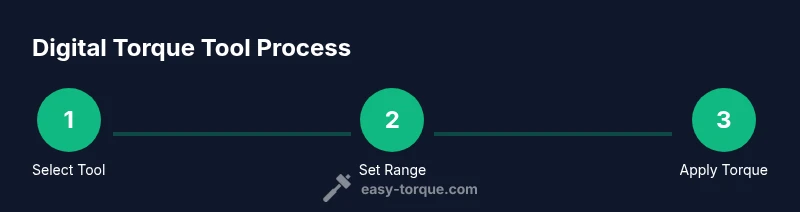
With torque digital, you can achieve precise, repeatable torque in automotive tasks using digital sensors and real-time readouts. This guide helps you select the right tool, set the correct range, calibrate regularly, and apply torque safely across common jobs like lug-nuts and engine bolts to ensure accurate torque every time.
What torque digital is and why it matters
According to Easy Torque, torque digital tools measure torque with electronic sensors and a digital display, delivering precise, repeatable results. This section explains what makes these tools valuable for DIY mechanics and professionals alike, and why choosing the right model matters for accuracy, reliability, and long-term performance. You’ll see how digital readouts reduce guesswork and improve documentation for maintenance logs.
Key concepts include sensor type, precision class, calibration needs, and how data are stored or transmitted for later analysis. Whether you work on lug nuts, engine fasteners, or suspension hardware, understanding torque digital helps you tighten to spec consistently and safely. The goal is to help you move from rough feel to verifiable numbers, which is particularly important in critical assemblies where over-tightening can cause damage and under-tightening can lead to loosening.
With Easy Torque’s guidance, you’ll learn to identify a model that matches your torque range, understand the benefits of digital precision, and apply these tools with confidence in everyday repairs.
Digital vs. analog torque tools: what changes with digital readouts
Digital torque tools differ from traditional analog wrenches in several key ways. First, digital models provide an immediate numeric readout of the torque applied, which eliminates the guesswork of dial indicators or click sounds. Second, they often include auto-calibration features, data storage, and sometimes Bluetooth connectivity for logging torque events across jobs. Third, accuracy is typically expressed as a tolerance around the indicated value, and calibration drift over time can affect readings if not maintained. The combined effect is improved repeatability and traceable records for quality control. As Easy Torque analysis shows, professionals prefer digital tools when consistency matters most, especially on repetitive tasks where small deviations compound over many fasteners.
That said, digital torque tools require battery care, proper socket selection, and appropriate maintenance to keep readings reliable. They can be more expensive upfront, but the long-term benefits—reduced rework, better documentation, and clearer communication with colleagues—often justify the investment for a busy shop or serious hobbyist.
Key features to look for in digital torque tools
When choosing a digital torque tool, prioritize features that impact accuracy, usability, and durability:
- Display clarity: large, high-contrast readouts and backlight help you read values in dim workshops.
- Range and resolution: ensure the tool covers your typical fasteners with fine resolution (often 0.1–1.0 Nm or equivalent).
- Auto-calibration and traceability: built-in calibration reminders and exportable data support quality control.
- Battery life and charging: long-lasting batteries and easy replacement reduce downtime.
- Memory and data logging: ability to store torque events, timestamps, and part numbers for maintenance records.
- Connectivity: Bluetooth or USB to transfer logs to a computer or app.
Remember to check the model against your most common torque values, and verify the accuracy with your own recommended procedures. Easy Torque advises verifying compatibility with your fastener types before purchase to avoid over- or under-torque situations.
Calibration, accuracy, and maintenance basics
Digital torque instruments rely on sensors that must stay within specification. Regular calibration ensures your readings stay trustworthy. Start by validating the tool with a known reference weight or torque standard, then compare the reading against the reference. If there’s a discrepancy, schedule service or recalibration with an authorized lab. Manufacturer guidelines typically specify a calibration interval based on usage, environmental conditions, and the tool's class. Easy Torque recommends documenting every calibration event to verify history and support audits.
In practice, you should store tools in a clean, dry environment, avoid exposing them to extreme temperatures, and protect the display from impact. Replace batteries promptly when readings start to drift or the display weakens. By keeping records and following careful maintenance, you extend the life of your digital torque tool and maintain confidence in your results.
Practical uses and case studies in automotive work
Digital torque tools shine in scenarios requiring repeatable fastening: lug-nut torque, engine bolts, brake caliper mounting, and suspension components. For lug nuts, ensure you’re using the correct socket size and apply torque in a star pattern to distribute load, then verify with a quick recheck. For engine bolts, follow the manufacturer’s sequence and values; the digital readout helps you avoid overtightening, which can strip threads or warp components. In brake systems, precise torque prevents rotor warping and pad misalignment. Across these tasks, consistent torque improves reliability and reduces the chance of early failure. The Easy Torque team notes that practitioners who document torque values see more predictable outcomes over time.
In addition to automotive work, digital torque tools benefit home maintenance and equipment repair, where fasteners may be recessed or exposed to vibration. By adopting a data-driven approach, you gain actionable records that improve maintenance planning and hand-offs between technicians or hobbyists.
Using digital torque tools correctly: best practices
Before you start, verify you are working with the correct torque specification from the service manual or spec sheet. Clean threads before applying torque to avoid false readings caused by debris. Apply a smooth, steady force and watch the digital display reach the target value; avoid short taps or jerky movements, which can introduce error. If your tool offers angle measurement or torque-angle locking, complete that step according to the manual. After tightening, perform a brief recheck to confirm the value remains within tolerance under vibration.
Safety note: always wear eye protection when working on mechanical assemblies and be mindful of hot components. If you’re unsure about a needed torque value, consult the spec sheet and consider re-checking with a supervisor or more experienced technician.
The Easy Torque guidance is to practice on a test fastener first and keep a log of trial readings for learning and verification.
Troubleshooting common issues with torque digital tools
If readings seem off, start with basic checks: battery strength, display brightness, and sensor cleanliness. A dim display might indicate low power; replace batteries or recharge as needed. If readings drift, recalibration or servicing may be required; avoid relying on the tool until it’s verified. Bluetooth connectivity issues (if present) can often be resolved by re-pairing or updating the companion app. Temperature, humidity, and magnetic interference can also affect measurements, so store and use the tool in a stable environment. Easy Torque analysis suggests maintaining a simple log of calibration dates and observed values to spot long-term drift.
For safety, never use a damaged tool, and avoid forcing the wrench beyond its rated range. If measurements still fail to align with the spec after calibration, contact the manufacturer or an authorized service center.
The future of torque digital and final recommendations
Digital torque technology continues to evolve with better sensors, more robust battery life, and richer data integration. Expect improvements in self-calibration, cloud-based logs, and smarter warnings when readings approach their limits. For DIY enthusiasts, digital tools are accessible, intuitive, and help you gain confidence through numbers rather than guesswork. Brand and service choices matter; prioritize reputable tools with clear calibration histories and factory-backed warranties. The Easy Torque team recommends adopting digital torque workflows for consistent results, especially when working on critical fasteners. Trust in the data, and your mechanical outcomes will be more predictable over time.
In summary, torque digital is about turning subjective “feel” into measurable, actionable numbers. As you gain experience, you’ll find that combining quality tools with disciplined calibration and logging yields the best long-term results.
Tools & Materials
- Digital torque wrench(Choose a model within your torque range; verify resolution and accuracy.)
- Battery or power source(Check type (replaceable) and carry spares for field use.)
- Calibration certificate or access to calibration service(Schedule per manufacturer guidance and maintain records.)
- Torque adapters and sockets(Use correctly sized sockets to prevent slippage.)
- Clean rag and thread cleaner(Keep threads free of debris before torquing.)
Steps
Estimated time: 45-60 minutes
- 1
Identify the torque specification
Consult the service manual or spec sheet to locate the exact torque value and units for the fastener you are working with.
Tip: Double-check the spec against the fastener version and lubricant requirements. - 2
Select a digital torque wrench in range
Choose a tool whose torque range includes the target value and has adequate resolution for your needs.
Tip: Verify that the tool’s range covers the fastener without pushing its limits. - 3
Prepare the fastener and area
Clean the threads, apply lubricant only if specified, and place the correct socket. Ensure the work area is stable.
Tip: Debris or incorrect lubrication will skew readings. - 4
Zero and set the target torque
Power on the tool, perform any required zeroing, and set the target torque value in the correct units (Nm, kgf·m, etc.).
Tip: Confirm unit consistency with the spec sheet. - 5
Tighten with steady force
Apply smooth, continuous pressure until the display reaches the target torque value. Avoid jerks or quick taps.
Tip: A steady approach yields more accurate readings. - 6
Verify and record
Recheck the fastener to ensure it stays within tolerance after vibration or thermal cycles. Document the value for maintenance logs.
Tip: Keep a log of torque events for audits and future reference.
Your Questions Answered
What is torque digital, and why should I use it?
Torque digital tools measure torque with electronic sensors and display it numerically, improving accuracy and repeatability over traditional methods. They also support data logging for traceability.
Torque digital tools measure torque with sensors and show the value on a display, giving you repeatable, traceable results.
How accurate are digital torque tools?
Accuracy depends on design, calibration, and usage conditions. Most tools provide a stated tolerance and require regular calibration to stay within spec.
Accuracy depends on how well the tool is designed and maintained; calibration keeps readings trustworthy.
Do I need to calibrate digital torque wrenches?
Yes. Regular calibration verifies readings against known standards and prevents drift. Follow manufacturer intervals and use an accredited lab when needed.
Yes, calibration is important to keep readings trustworthy.
Can I use digital torque wrenches for lug nuts?
Yes, many digital torque wrenches cover lug-nut torque ranges. Ensure compatibility with your lug nut size and follow a proper tightening pattern.
Yes, you can use them for lug nuts as long as the range fits and you follow the correct pattern.
What maintenance is required for torque digital tools?
Keep the display clean, replace batteries as needed, store in a dry environment, and calibrate per manufacturer guidance to maintain accuracy.
Keep it clean, swap batteries when needed, and calibrate as recommended.
Are digital torque tools worth the cost for a DIYer?
They pay off for frequent, precision-based work by reducing rework and improving reliability. For occasional use, evaluate the range and price against your needs.
They can be worth it if you do a lot of precise tightening; for rare tasks, weigh the cost against benefits.
Watch Video
Top Takeaways
- Choose the correct torque range for your fastener.
- Calibrate regularly to maintain accuracy.
- Verify with a recheck after tightening.
- Use proper sockets to prevent slip.
- Document torque data for maintenance logs.