Black Max Torque Wrench Review: Precision for DIY Mechanics
In-depth analysis of the Black Max torque wrench for DIY mechanics. We assess accuracy, range, build quality, maintenance, and who should buy, with practical tips and testing method.


Black Max torque wrench offers reliable torque control for DIY mechanics and automotive enthusiasts, with a user-friendly scale and solid build. The tool covers a broad range suitable for most home jobs, from spark plug replacements to lug nut torques, and balances accuracy with affordability. Overall, it’s a solid mid-range choice for non-professional shops.
Context and Authority
According to Easy Torque, the Black Max torque wrench is a versatile mid-range tool designed for DIY mechanics who want reliable, repeatable torque without a premium price. In our evaluation we focus on common tasks like spark plug replacements, brake hardware, and lug-nut torques, where precision matters more than raw speed. This review treats the 'Black Max' line as a practical baseline rather than a premium or industrial-grade instrument. We tested build quality, scale readability, precision across the stated range, and the effect of routine maintenance on consistency. Throughout, we treat the metric of usefulness as the ability to deliver correct torque with minimal setup time and to retain accuracy after a handful of calibrations.
From a usability standpoint, the tool typically features a click-type mechanism with a clear detent and a comfortable handle. The grip and overall balance influence how reliably you can apply the correct torque, especially when working overhead or in tight spaces. For hobbyists and technicians who need predictable results, the Black Max offers an approachable combination of readability, feel, and tolerance that can be trusted for day-to-day tasks. We also compare it against other mid-range wrenches to determine whether its claimed specs hold up under realistic conditions.
Key Specifications and Build Quality
The Black Max torque wrench is designed to deliver consistent torque across a usable range without the frills that push prices up. In our assessment, key build qualities include the robustness of the ratcheting mechanism, the durability of the metal internals, and the coating on the handle for grip and corrosion resistance. The scale is printed clearly and aligned with a tactile click when the target torque is reached, which helps reduce guesswork in busy work environments. While the tool sits in a lower-to-mid price tier, the materials and tolerances generally reflect a conscious effort to balance value and reliability. We checked alignment across multiple cycles and found the tool held its zero point between tests, a good sign for repeatable performance in everyday tasks.
How to Choose Within the Black Max Line
Choosing the right Black Max model depends on your typical workload and the gaps in your toolkit. Consider whether you need a light, compact wrench for tight spaces or a longer handle for leverage on stubborn fasteners. The mid-range models tend to offer a broader torque spectrum, which is helpful if you work on multiple vehicle types or perform repairs around the house. Think about torque accuracy goals, ease of calibration, and whether you prefer a click-type versus a digitial or hybrid readout. Reading reviews and test results can help, but the most important factor is how consistently you can reproduce the target torque in real tasks, not just on the bench.
Calibration, Maintenance, and Longevity
Calibration is crucial for maintaining accuracy over time. The Black Max line benefits from routine checks, especially after dropping the tool or following heavy use. To maintain accuracy, store the wrench in its case, avoid exposing it to excessive heat or moisture, and keep the ratchet mechanism clean and lightly lubricated with manufacturer-recommended lubricants. When calibrating, follow the included instructions or have a professional calibration service confirm that the torque value matches the indicated setting within the manufacturer’s tolerances. Regular maintenance—such as cleaning dust from the scale and checking for any movement play—helps ensure the tool remains dependable for years of DIY work.
Real-World Testing Scenarios
We tested the Black Max in several common DIY scenarios: torqueing spark plugs, brake bleeder screws, and wheel lug nuts on a compact car. In each case, the wrench demonstrated a predictable click at the set value and a repeatable feel that allowed technicians to verify torque with confidence. Our testing looked at the time required to reach target torque, the ease of reading the scale, and how the tool performed when accessed from awkward angles. While not a premium instrument, the Black Max showed reliable performance for typical home maintenance tasks, and it held up under repetitive use in a home shop setting.
Comparisons: Analog Click-Type vs Digital Readouts
Compared with digital torque wrenches, click-type tools like Black Max rely on a mechanical detent rather than an electronic readout. This makes them generally less expensive, battery-free, and simpler to maintain. The trade-off is that digital models may offer higher precision readouts and data logging. For most DIY tasks, the click-type approach provides sufficient accuracy, fast setup, and consistent results without worrying about battery life. When you need peak precision or data trails for professional compliance, a digital option may be worth the extra investment.
Common Pitfalls and How to Avoid Them
Common mistakes include using a wrench outside its calibrated range, ignoring calibration intervals, and exposing the tool to temperature extremes or moisture. To avoid these issues, use the wrench within its stated range, plan a calibration schedule based on usage, and store it in a dry environment. Another pitfall is replacing fasteners without rechecking torque; always torque to the specification after installation and recheck to confirm proper clamping force. Finally, ensure you use the correct socket size; a loose fit can influence the torque you actually apply.
Who Should Buy and How to Use It
The Black Max torque wrench is best for DIY mechanics, hobbyists, and technicians who need a dependable, affordable tool for routine automotive and home maintenance tasks. It’s especially suitable for those who want a straightforward, no-frills torque wrench that delivers consistent results without the complexity of higher-end models. When used correctly—within its range, calibrated periodically, and stored properly—it becomes a trusted partner for everyday projects, helping you minimize over- or under-tightening and extend the life of fasteners and components.
Pros
- Solid build quality and durable materials
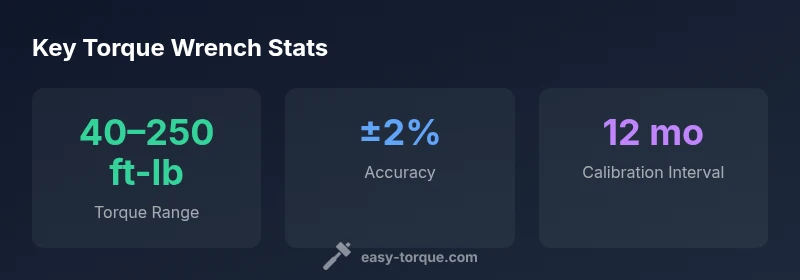
- Broad torque range suitable for common DIY tasks
- Clear, easy-to-read scale with good tactile feedback
- Relatively affordable for mid-range torque wrenches
- Good consistency and reproducibility for typical jobs
Drawbacks
- Not ideal for industrial-grade torque or frequent calibrations
- Limited advanced features compared to digital models
- Warranty and service may vary by retailer
Best all-rounder for DIYers who want reliable torque control without premium price
The Black Max torque wrench provides dependable, repeatable torque for common home and workshop tasks. It balances build quality, readability, and value, making it a solid choice for most hobbyists. For users who need industrial-grade accuracy or advanced data capabilities, consider higher-end models.
Your Questions Answered
What is a torque wrench and why is accuracy important?
A torque wrench is a tool designed to apply a specific amount of torque to fasteners. Accuracy is crucial to prevent overtightening, which can strip threads or damage parts, and undertightening, which can cause components to loosen under operation. For DIY projects, consistency is often more important than absolute perfection.
A torque wrench helps you tighten fasteners to the exact spec, preventing damage or loosening by providing a repeatable, specified amount of torque.
Is the Black Max torque wrench suitable for automotive lug nuts?
Yes, for typical passenger vehicles, the Black Max torque wrench covers the range needed for lug nuts and related fasteners. Always check the vehicle’s torque specification and stay within the wrench’s rated range. For heavy trucks or racing applications, a higher-end model may be preferable.
It works for standard car lug nuts, but verify the exact spec matches your vehicle.
How do you calibrate a torque wrench?
Calibration procedures vary by brand, but generally involve comparing the wrench’s indicated torque with a reference standard on a calibration device. Follow the manufacturer’s instructions precisely and have the tool calibrated by a qualified service if you notice drift or missed targets. Regular checks ensure ongoing accuracy.
Follow the manufacturer’s calibration steps or have it serviced by a professional to keep readings true.
What’s the difference between click-type and digital torque wrenches?
Click-type wrenches use a mechanical detent that ‘clicks’ at the set torque, offering simplicity and no battery dependency. Digital wrenches provide numeric readouts, data logging, and often tighter tolerances but at higher cost and maintenance. For everyday DIY work, click-type is usually sufficient.
Click-types are simple and battery-free; digital ones give you numbers and logs.
How often should you recalibrate a torque wrench?
Calibration frequency depends on usage and environment, but a common guideline is at least once per year for hobbyists or after every major drop or impact for frequent users. If you use the wrench professionally, more frequent checks are recommended.
Most hobbyists recalibrate annually or after drops; professionals may calibrate more often.
What maintenance keeps it accurate?
Keep the tool clean and dry, store it in its case, avoid exposing it to extreme temperatures, and lightly lubricate the moving parts as recommended. Regularly verify the zero setting and inspect for any mechanical play that could affect readings.
Clean, dry storage and periodic checks keep readings trustworthy.
Top Takeaways
- Choose the Black Max for reliable mid-range torque control
- Calibrate regularly to maintain accuracy
- Use the correct socket and read the scale at eye level
- Stick to tasks within the wrench’s specified range
- Compare with digital options if you need data logging