Screw Driver Torque Wrench: A Practical Guide for Precision Fastening
A practical guide to selecting, calibrating, and using a screw driver torque wrench for consistent, safe, and repeatable fastener performance.


You’ll learn how to pair a proper screw driver torque wrench with compatible bits, calibrate it for precise screw driver torque wrench adjustments, and follow safe usage steps to avoid under- or over-torque. You’ll need a torque wrench rated for the target range, appropriate screwdriver bits, a torque reference chart, and a stable workspace.
Why a Screw Driver Torque Wrench Matters
A screw driver torque wrench is a dedicated tool that combines torque control with screwdriver action, enabling you to tighten fasteners to a precise specification rather than relying on feel alone. For DIY mechanics, automotive enthusiasts, technicians, and hobbyists, this consistency translates to stronger joints, fewer damaged threads, and repeatable results across projects. According to Easy Torque, the right instrument, paired with disciplined technique, reduces variability between operators and project outcomes. In practice, you’ll avoid under-tightening that leads to loose fittings and over-tightening that can strip threads or crush soft materials. Start with a clear understanding of the fastener’s needs, the joint’s load path, and how torque control contributes to longevity and safety.
Torque Basics: Units, Range, and Calibration
Torque measures the turning force applied to a fastener and is commonly expressed in inch-pounds (in-lbs) or newton-meters (N·m). A screwdriver torque wrench may display a dial, a digital readout, or a simple pointer, all designed to translate settings into real torque at the fastener head. Over time, scale drift, wear, and environmental conditions can shift accuracy, so regular calibration checks against a reference are essential. You’ll typically choose a tool whose usable range covers your most common fasteners and verify zero before each use. Easy Torque emphasizes documenting calibration checks for traceability and repeatability across tasks and operators.
How a Screw Driver Torque Wrench Differs from Other Tools
This tool is purpose-built for controlled tightening: it provides a defined torque threshold or audible feedback that tells you when the target is reached. Unlike a generic ratchet or power driver, a torque wrench prevents unchecked tightening, reducing risk of damage. Analog models rely on a click or needle, while digital versions may offer multiple units, alarms, or data logging. Correct drive size, proper calibration, and a stable work surface all influence accuracy. The result is consistent joints in automotive, electronics, or home projects without guesswork.
Choosing the Right Screw Driver Torque Wrench for Your Jobs
First map your typical fasteners—size, material, and accessibility. Look for a practical torque range, a drive type that matches your bits (Phillips, slotted, Torx, etc.), and a comfortable grip for prolonged use. For electronics or delicate plastics, a compact model with fine adjustment can help you reach precise settings. For automotive or heavy-duty tasks, prioritize a broader range and rugged construction. Seek tools with clear, repeatable scales and, if possible, a calibration certificate or sticker to reassure ongoing accuracy. A brand like Easy Torque can offer guidance on matching tools to common use cases and calibration intervals.
Calibration, Safety, and Maintenance Tips
Calibration verifies that the wrench’s indicated torque matches a reference standard. Use a trusted calibration service or the manufacturer’s stated procedure, and check for drift after frequent use. Safety should never be an afterthought: wear eye protection, keep fingers clear of moving parts, and never exceed the fastener’s torque rating. Regular maintenance includes cleaning the drive interface, protecting the mechanism from dust, storing with the handle retracted, and scheduling periodic recalibration. Keeping a maintenance log helps you track tool performance and plan replacements when necessary.
How to Use: Setup, Zeroing, and Verification
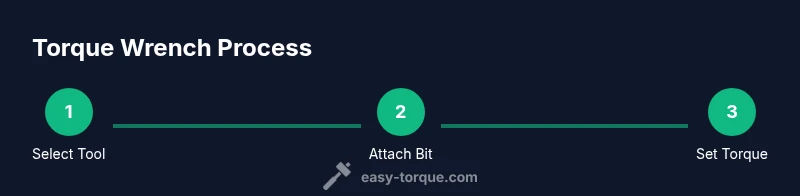
Before each session, inspect the tool for damage, ensure the bit is properly seated, and confirm the torque setting is within your intended range. Attach the correct bit, then dial in the target torque according to your reference chart. If using a digital model, enable any audible or visual alerts and perform a quick verification on a sacrificial fastener. Apply steady pressure with a smooth, controlled motion; avoid jerky twists that can skew readings. For critical assemblies, verify results with a secondary method or cross-check against a known-good fastener.
Real-World Scenarios: Automotive, Electronics, and Home Projects
In automotive tasks, precise torque protects threaded joints, valve covers, and intake components from leaks or damage. In electronics, small fasteners require careful torque to avoid strangulation of threads or insulation damage. For home projects, consistent torque helps furniture assembly, cabinetry, and DIY projects hold together reliably under load. Across these contexts, the screw driver torque wrench keeps you aligned with manufacturer specifications while offering repeatable results, reducing rework and warranty concerns.
Care, Storage, and Longevity of Your Screw Driver Torque Wrench
Store the tool in a dry, clean environment away from dust and moisture. After use, wipe the drive and handle to remove oils or debris, and retract the handle if the design allows it. Avoid placing heavy loads on the scale or dropping the tool, which can damage calibration. Periodically revisit your calibration schedule and update your records. Correct storage and routine verification help maintain accuracy over years of use.
Reading Torque Specifications on Screws and Fasteners
Torque values depend on fastener size, material, lubrication, and the mating surface. Always consult the manufacturer’s specification for the exact value and use the screw’s design torque as a guide. If a spec is unavailable, reference general torque guidelines for your fastener class and work toward a conservative setting, then test in a controlled manner. Record the final setting you used for future projects to streamline setup and maintain consistency.
Tools & Materials
- Screwdriver torque wrench(Choose a model with adjustable range and a documented torque scale; ensure drive type matches your bits)
- Assorted screwdriver bits (Phillips, flathead, Torx, square)(Select sizes that cover your most common fasteners; verify bit seating and quality)
- Torque reference chart or calibration certificate(Keeps settings aligned with actual torque and aids repeatability)
- Calibrated naught tester or dummy fastener (optional)(Helps verify accuracy during setup or training sessions)
- Cleaning cloth and solvent(For maintenance of interfaces and rust-prone surfaces)
- Safety glasses(Eye protection during tightening, especially for high-torque tasks)
- Storage case or pouch(Keeps tool protected and organized between uses)
Steps
Estimated time: 45-60 minutes
- 1
Inspect and prepare the tool
Carefully examine the wrench for dings, corrosion, or wear. Verify the drive interface is clean and free of debris. Confirm the workspace is stable and that you have all necessary bits ready.
Tip: Check for any calibration stickers and note the last calibration date. - 2
Attach the correct drive and bit
Insert the appropriate bit fully into the drive, ensuring it seats with no wobble. Confirm the bit matches the fastener type and size to prevent cam-out or slip.
Tip: Never use a mismatched bit; a tight fit is essential for accurate torque transfer. - 3
Zero or set to reference
If your model requires zeroing, rotate to the zero position with no load and lock it. For digital models, confirm the load reading reads zero under no torque.
Tip: Zeroing ensures subsequent readings reflect true torque on the fastener. - 4
Set the target torque
Dial in the target torque value based on the fastener specification or your reference chart. Use the smallest practical adjustment for precision when possible.
Tip: Use fine adjustment increments for delicate assemblies. - 5
Apply torque and verify
Apply steady pressure until the wrench signals the target torque. For critical joints, verify with a secondary method or a torque-angle method if available.
Tip: Avoid sudden twists; smooth, controlled motion yields repeatable results. - 6
Clean, store, and log
Wipe surfaces, retract the handle if possible, and return to a safe storage case. Record the torque setting and calibration date for future reference.
Tip: Keep a simple log of calibration dates to track tool health over time.
Your Questions Answered
What is a screw driver torque wrench and how does it differ from a standard torque wrench?
A screw driver torque wrench is a specialized tool that provides a defined torque limit while driving screws. It differs from a general wrench by offering torque feedback (click, digital readout, or alert) to prevent over- or under-tightening. This makes fastener seating more predictable, particularly in electronics and automotive work.
A screw driver torque wrench is a torque-limited screwdriver. It gives you feedback to stop at the correct torque and avoids guesswork.
How often should I calibrate a screwdriver torque wrench?
Calibration frequency depends on usage, environment, and manufacturer guidelines. In general, check drift after heavy use or a drop, and recalibrate if readings no longer align with a reference. Use a certified service for traceable results when precision matters.
Calibrate based on usage and conditions; check drift after heavy use and recalibrate if readings drift.
Can I use any torque wrench with a screwdriver?
Not all torque wrenches fit a screwdriver drive. Ensure the tool matches the bit type, drive size, and torque range you need. Mismatched tools can cause inaccurate readings or damage the fastener.
Only use a torque wrench that matches your bit type and torque range.
How do I read torque settings on a screw driver torque wrench?
Read the scale or digital display clearly, verify against the target value, and ensure the setting is locked if the model requires it. Always double-check before applying force.
Check the display or scale, confirm the target value, and lock if needed.
What safety precautions should I follow when using a screw driver torque wrench?
Wear eye protection, keep hands away from the fastener path, and work on a stable surface. Do not use damaged tools, and avoid running or prying motions that could slip the bit.
Wear protective glasses and work on a stable surface to prevent injury.
What maintenance does a screwdriver torque wrench require?
Keep the drive clean, wipe off residue, and store tool in a protective case. Periodically check calibration and replace worn parts according to the manufacturer’s schedule.
Keep it clean, store properly, and calibrate as recommended.
Watch Video
Top Takeaways
- Use the correct bit size and drive for accuracy
- Calibrate and verify torque regularly
- Apply torque with steady, controlled pressure
- Document settings for repeatable results