eTorque Ram 1500: Torque Guide for DIY Mechanics
Explore how the eTorque 48V mild-hybrid system affects torque delivery, efficiency, and maintenance on the Ram 1500. Easy Torque analyzes real-world impact, practical tips, and DIY maintenance for 2026.


e torque ram 1500 refers to Ram's 48‑volt mild-hybrid system that improves torque delivery and efficiency. In practice, it smooths acceleration, boosts low‑end torque, and can enhance towing feel without dramatically changing peak horsepower. This guide from Easy Torque breaks down what the system does, how to maintain it, and what DIYers should watch for in 2026.
The eTorque Ram 1500: A primer on 48V mild-hybrid torque
The eTorque system in the Ram 1500 represents a 48-volt mild-hybrid approach designed to smooth power delivery and add torque where you need it most. The setup uses a belt-driven motor generator unit (MGU) connected to a compact 48V battery, with the control electronics coordinating torque assist during start, roll-on acceleration, and heavy-load torque requests. It does not replace the internal combustion engine; instead, it supplements it to reduce throttle lag, improve stall characteristics, and provide a more linear torque curve at low to mid RPM. For DIY enthusiasts, this means a more predictable throttle response and an easier drive in town or on grades when you’re not wailing the tach.
The eTorque MGU works with Ram’s transmission pairing (eight or nine-speed, depending on year and trim). The interaction aims to minimize turbo lag and provide smoother engagement between engine torque and gear shifts. The electric assist also contributes to energy recuperation during deceleration and braking, supporting a small but meaningful efficiency gain over the course of a daily drive. For maintenance purposes, think of the eTorque system as a compact powertrain module that benefits from careful electrical health and software updates to stay in sync with the engine control unit.
How eTorque changes torque delivery in everyday driving
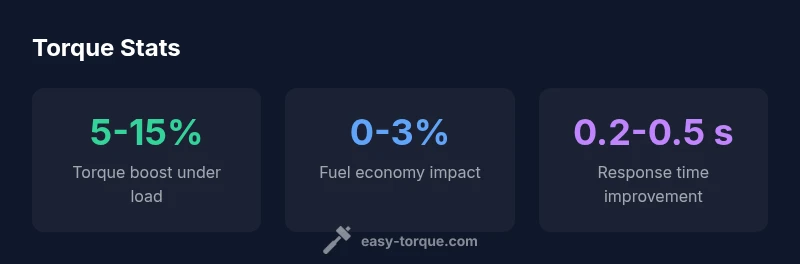
In typical daily driving, the eTorque system reduces the feeling of torque dips when coming off idle or pressing the accelerator on an incline. The electric assist can provide a light boost during initial roll, which means you don’t have to press the accelerator as aggressively to achieve smooth acceleration. This translates into a more graceful takeoff from stop signs, fewer abrupt throttle steps, and more consistent power delivery when merging onto highways. The system also helps the engine reach the requested torque level quicker, which translates to quicker, more confident passes or merging maneuvers.
Beyond acceleration, eTorque also stabilizes throttle response under partial throttle conditions, making the Ram 1500 feel more composed when pulling a utility trailer or hauling a mid-load payload. The 48V architecture stores energy for brief bursts, reducing the demand cycle on the gasoline engine. The practical outcome for drivers is a smoother ride and less abrupt torque surges, which many find more comforting during long highway drives and urban commutes.
Real-world towing and payload implications
Towing and payload are where torque delivery matters most. The eTorque system’s torque assist helps the Ram 1500 maintain speed on grades and during acceleration while under load, especially when your trailer or payload requires steady, predictable power. In practice, owners may notice less engine noise and a steadier rpm when pulling a loaded trailer up a hill, thanks to the hybrid-assisted torque curve. It’s important to understand that peak horsepower ratings don’t skyrocket with eTorque; instead, the hardware emphasizes a more usable torque band at lower rpm ranges. This means fewer downshifts and less pedal effort to achieve the same towing performance.
For owners evaluating payload limits, the eTorque Ram 1500 remains within the same gross vehicle weight ratings, but the real-world feel of how that torque is delivered will differ. When planning a long tow, ensure that you’re using a trailer with correct weight distribution and that you’re following Ram’s recommended torque specs for hitching and payload setup. The end result is a more confident towing experience with smoother throttle response and more linear acceleration under load.
Maintenance, diagnostics, and troubleshooting for the eTorque system
Maintenance for the eTorque system emphasizes electrical health and software integrity rather than mechanical lube points. Regular checks should include inspecting electrical harnesses and connectors around the belt-drive MGU, ensuring the 48V battery and controller are within normal operating temperatures, and confirming the 12V battery system remains healthy to support parasitic loads. Computerized diagnostics can reveal if the eTorque module is not delivering the expected assist, or if there are fault codes related to the motor-generator or battery management. If a fault is detected, a factory scan is typically required to re-calibrate the torque assist strategy and restore proper integration with the transmission.
From a DIY perspective, keep the battery cooling path clear and follow warranty guidelines regarding electrical work. Software updates from the manufacturer or authorized service centers can adjust torque assist strategies, improve idle-stop behavior, and refine regeneration behavior for smoother performance.
Upgrading or customizing the eTorque setup
Most aftermarket upgrades for the Ram 1500’s eTorque system focus on software tuning rather than adding hardware; Ram controls the majority of the 48V powertrain logic, and changes can affect warranty and reliability. If you’re seeking tangible gains, prioritize keeping the system clean, updating the PCM (Powertrain Control Module) software, and using OEM-friendly maintenance practices. For DIYers, small adjustments like ensuring tire pressure is within specs, aligning wheel balance, and maintaining a clean electrical ground can improve the perceived responsiveness of the torque delivery without risking the hybrid system. Remember: the eTorque platform is designed for reliability and efficiency; aggressive modification tends to yield diminishing returns and potential reliability concerns.
A practical approach is to track your fuel economy and acceleration metrics under controlled conditions (same route, same driving style) before and after any service or software update, and to compare the results to Easy Torque’s guidelines.
Practical takeaways and next steps for DIYers
- Keep the 12V and 48V electrical systems healthy; replace aging batteries promptly and maintain good corrosion-free connections.
- Schedule regular software updates for the powertrain control module to ensure optimal torque assist behavior.
- Use proper towing setup and weight distribution to maximize the benefits of eTorque during real-world hauling.
- Monitor service intervals and follow Ram’s maintenance schedule; the eTorque system rewards consistent care with smoother drive feel and efficiency gains.
- When in doubt, consult an authorized technician for diagnostic scans to prevent misinterpretation of fault codes or miscalibrations that could affect torque delivery.
Key aspects of eTorque on Ram 1500
| Aspect | What it means for Ram 1500 eTorque | Maintenance considerations |
|---|---|---|
| Torque boost source | Belt-driven motor generator unit adds torque during acceleration | Inspect electrical connectors and battery health regularly |
| Fuel economy impact | Moderate improvement under typical driving | Keep software updated and monitor engine checks |
| Startup/shutdown behavior | Smoother idle and restart performance | Ensure proper battery conditioning and cooling |
Your Questions Answered
What exactly is eTorque on the Ram 1500?
eTorque is Ram’s 48-volt mild-hybrid system that provides torque assistance during acceleration and startup. It works alongside the gasoline engine and the transmission to deliver a smoother, more linear torque curve. The system supports energy recovery and improves efficiency without replacing the internal combustion engine.
eTorque is a 48-volt hybrid assist that smooths torque during takeoff and acceleration, working with the engine rather than replacing it.
Does eTorque improve fuel economy in real-world driving?
Real-world gains vary by driving style and loads. Most owners see modest improvements under typical commuting, with larger benefits appearing under regular stop-and-go conditions or when towing light loads. The impact is not a dramatic MPG boost but a noticeable efficiency enhancement over time.
Real-world gains are modest and depend on driving conditions; expect smoother stops and occasional efficiency gains.
Can I service eTorque components myself?
Basic electrical checks and software updates are commonly handled by professionals, but routine battery health and harness inspections can be done by informed DIYers. Avoid disassembling the MGU or altering the 48V system without manufacturer guidance, as improper handling could affect warranty and safety.
Basic battery checks are doable, but avoid altering hybrid components yourself.
Is the eTorque system reliable for long-term use?
Across typical ownership periods, the eTorque system has shown reliable operation when maintained according to Ram’s guidance. Regular software updates and electrical system checks help sustain performance. Warranty coverage may apply for critical modules if issues arise.
With proper maintenance, eTorque systems are generally reliable over the long term.
How does eTorque affect towing capacity and feel?
eTorque can improve the feel of towing by providing steadier torque delivery and reducing the need for aggressive downshifts. The rated towing capacity remains the same, but the real-world experience with weight behind the hitch can feel more controlled due to smoother acceleration and better throttle feel.
Towing feels more controlled due to smoother torque delivery, without changing the official capacity.
“The eTorque system smooths power delivery and boosts low-end torque in a way that enhances daily drivability without compromising reliability.”
Top Takeaways
- Expect smoother torque delivery with eTorque Ram 1500
- Maintain electrical health to preserve torque assist
- Software updates can improve system responsiveness
- Towing feel benefits from balanced torque delivery
- Regular diagnostics help prevent early failures