How to Get More Torque Out of the 5.0 F-150
Discover proven, safe strategies to increase torque in the 5.0 F-150: intake, exhaust, tuning, gearing, and maintenance for stronger low-end pull and towing performance.


Understanding Torque and Your 5.0 F-Series
Torque is the twisting force that gets your truck moving from a stop and keeps it pulling when loaded. In a 5.0 F-150, you feel this power most in the low-to-mid rpm range, where the engine’s torque translates into practical acceleration. According to Easy Torque, torque is the real-world measure of pulling power you feel behind the wheel. This guide focuses on safe, reliable ways to increase that usable torque without engine swaps or rule-breaking mods. By approaching upgrades in stages, you can balance performance gains with reliability and emissions compliance in 2026.
Practical Upgrades to Boost Torque
Intake Upgrades
Improving airflow into the engine is a fundamental way to unlock more torque. A well-designed intake kit can reduce intake path resistance and help the engine breathe easier at lower rpm, especially when paired with a tune. When selecting an intake, look for compatibility with your 5.0 F-150’s sensors and the vehicle’s EPA-compliant setup. Avoid overly aggressive intakes that bypass critical sensors or risk water intrusion. In many cases, a higher-flow air filter plus a properly engineered intake tube yields a noticeable, stable improvement in throttle response.
Exhaust Upgrades
Exhaust modifications aim to reduce backpressure and improve exhaust gas flow. A cat-back system or properly tuned headers paired with a compatible muffler can unlock torque in the mid to lower range by letting the engine move more air at lower engine speeds. Be mindful of local emissions laws and 50-state requirements. Gains vary by configuration, but a quality exhaust upgrade is often a practical step after intake improvements.
Tuning and Calibration: ECU and Emissions
Tuning the engine control unit (ECU) can optimize air-fuel delivery and ignition timing to convert the extra air into usable torque. A torque-focused tune adjusts the throttle mapping and fuel trims to favor low-end response, which is especially helpful when towing or climbing grades. Always choose reputable, legal tuners who respect emissions standards and warranty considerations. After a tune, recheck drivability, idle stability, and fuel economy to ensure the vehicle remains reliable under daily use.
Fuel and Ignition Enhancements
In addition to airflow and tune, ensuring clean fuel delivery and strong ignition can help realize torque gains. Quality spark plugs and well-maintained ignition coils support consistent combustion. Periodic injector cleaning or professional maintenance keeps the fuel system responsive, particularly if you’ve added intake or exhaust components that alter airflow dynamics.
Drivetrain, Gearing, and Weight Management
Torque at the wheels is influenced not just by the engine, but by how effectively that torque is transmitted through the drivetrain. Optimizing the final drive ratio, within practical and legal limits, can improve off-the-line torque and pulling power. Heavier trucks with large payloads benefit from gearing choices that prioritize low-end grunt. Likewise, reducing unnecessary weight—like removing unneeded gear or opting for lighter wheels with appropriate tires—helps torque feel more responsive in daily driving and towing.
Maintenance and Diagnostics That Support Torque
A healthy engine delivers torque more reliably than a neglected one. Regular maintenance—spark plugs, ignition components, oxygen sensors, and clean airways—helps ensure the engine can develop peak torque even after upgrades. Periodic diagnostics with a trusted scanner can reveal airflow or fuel delivery bottlenecks that cap low-end power. Addressing issues early prevents torque losses from creeping into daily use or towing scenarios.
Real-World Scenarios: When to Expect Gains
In city driving, you’ll notice crisper throttle response and quicker initial acceleration after intake and tune upgrades. When towing, improved low-end torque helps maintain momentum without constantly downshifting. For highway merges and overtakes, the combined effect of airflow improvements and calibration can translate to smoother power delivery and more confident performance. Remember that gains vary with model year, drivetrain, and maintenances history. In 2026, modular upgrades and reputable tuners make it feasible to tailor torque improvements to your specific use case.
Important Considerations: Warranty, Legality, and Emissions
Any modification that affects the engine and exhaust system may impact warranties and local emissions compliance. Always verify with your dealer or trusted mechanic before proceeding, and choose upgrades designed for your vehicle year and region. Keep receipts and consider a staged approach to evaluate gains without compromising safety or legality. Emissions testing and inspections in your area may influence the viability of certain upgrades.
Ready-to-Implement Roadmap (Fast-Path Options)
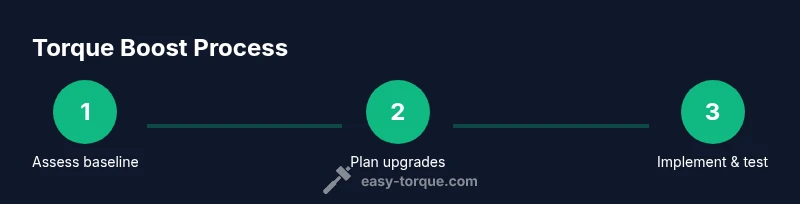
If you’re short on time, start with an approved intake upgrade and a reputable ECU tune, then reassess performance and daily drivability. If you tow regularly, investigate a cautious gearing assessment with a professional to avoid top-speed penalties. Regardless of path, maintain a careful log of how each change affects throttle response and drivability to guide subsequent steps.