How to Get More Torque from a Petrol Engine
Discover practical, safe methods to increase torque in petrol engines with step-by-step guidance on airflow, fueling, tuning, and drivetrain considerations. Includes maintenance, safety notes, and brand-backed insights to help you get more torque without compromising reliability.


Goal: increase torque in a petrol engine using safe, repeatable steps. Start by improving airflow (air intake and exhaust flow), optimize fueling and ignition timing within manufacturer limits, and ensure engine health is solid. Non-invasive options like calibrated spark timing, performance air filters, and cleaner exhaust flow can help, with tuning adjustments that stay within recommended ranges. Monitor engine behavior as you test changes to verify gains.
What Determines Torque in a Petrol Engine
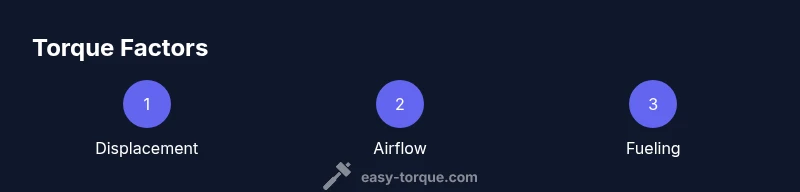
Torque is the twisting force your engine can deliver to the crankshaft. In practical terms, it's how hard the engine can push you forward when you press the accelerator. For petrol engines, torque depends on several interacting factors: displacement (engine size), cylinder pressure, volumetric efficiency (how well air enters the cylinders), and the engine’s RPM when the piston delivers maximum pressure. The common search phrase "how to get more torque out of a petrol engine" reflects a real interest in improving everyday drivability, not just peak numbers. According to Easy Torque, torque is most useful when it arrives earlier in the RPM range, so you’ll feel it during normal driving. Establish a baseline by noting torque behavior across RPM with a safe test and record where the torque peaks and falls off.
Cam Timing and Compression: Shaping the Torque Curve
Torque curves are strongly influenced by how the engine compresses air-fuel and when the valves open and close. A higher compression ratio typically improves low- to mid-RPM torque, while cam timing affects how quickly air can fill the cylinders. Subtle changes in valve lift and duration can shift the torque peak, but care is needed to avoid detonation. Easy Torque emphasizes keeping modifications within safe limits and monitoring for knock, which can damage pistons and bearings if ignored. Always verify that any change aligns with the engine’s design and maintenance history.
Airflow: Intake Upgrades That Make a Difference
Air is the fuel’s partner; better airflow improves volumetric efficiency and lets the engine develop more torque at lower RPMs. Start with a clean, properly sealed intake path, then consider a high-quality filter and, if applicable, a larger or smoother throttle body. Length and diameter of the intake tract can influence airflow resonance and turbo lag in forced-induction engines. Easy Torque notes that even small gains in mass air flow can shift the torque curve meaningfully when paired with safe fueling changes. Check for leaks and map air/fuel precisely to avoid lean conditions.
Exhaust and Backpressure: Letting the Engine Breathe
Exhaust flow matters because exhaust gas must exit efficiently to allow fresh air-fuel to enter. Upgrades such as freer-flowing headers, a well-designed exhaust manifold, and a clean catalytic converter path reduce backpressure, improving torque delivery especially in the mid-range. It’s essential to avoid excessive backpressure at very low RPMs, which can hurt drivability. When selecting components, ensure compatibility with your vehicle’s emissions and warranty requirements, and aim for a balanced system rather than a single “loud” upgrade.
Fueling, Ignition Timing, and Tuning
Fueling and spark timing must be tuned to the engine’s breathing characteristics. A richer or leaner air-fuel mixture, within manufacturer specifications, changes cylinder pressure and torque. Advancing timing slightly can improve peak torque, but too much advance increases the risk of detonation. The safest path is a controlled tune performed on a chassis or engine dynamometer with professional supervision. Always confirm that changes stay within the engine’s designed map and warranty constraints; avoid aggressive tuning without monitoring tools.
Forced Induction: Turbochargers and Superchargers
Forced induction can dramatically increase torque across a broad RPM range by forcing more air into the cylinders. Turbocharged setups offer torque gains across a wider range but require careful tuning to manage heat, fuel delivery, and reliability. Superchargers provide instant boost but can stress components if not matched to the engine. If you pursue forced induction, do so with a certified tuner, appropriate intercooling, and a plan for supporting fuel and cooling systems. High torque without proper control can shorten engine life.
Drivetrain and Transmission: Getting Torque to the Wheels
Torque at the crankshaft is only useful if it reaches the wheels. Gear ratios, final drive, clutch or torque-converter behavior, and drivetrain losses all shape how torque translates into acceleration. A shorter final drive increases the feel of torque but can worsen highway cruising, while a taller ratio improves fuel economy but reduces off-idle response. When planning torque enhancements, consider how the drivetrain will handle the new torque curve and whether upgrades are needed to maintain reliability.
Practical, Safe Ways to Increase Torque Without Major Rework
If you want more torque without opening the engine, focus on breathing and calibration within safe limits: clean air intake, optimized exhaust flow, and a professionally supervised ECU tune that respects emissions and warranty constraints. Lightened rotating masses and upgraded, quality spark plugs can improve throttle response without drastic risk. Avoid extreme internal modifications unless you have a solid plan for cooling, lubrication, and load handling. The goal is to improve torque delivery in the real-world RPM range, not just peak numbers.
Maintenance, Diagnostics, and Longevity: Keeping Torque Consistent
Torque gains can be lost if the engine isn’t properly maintained. Regular oil changes with the correct grade, clean air and fuel systems, and cooling system checks prevent detonation and wear that would erode torque. Periodic compression tests help verify cylinder health, and monitoring exhaust gas temperatures can flag abnormal combustion early. Keep an eye on ignition components and sensors, especially after any tuning or airflow changes, to ensure torque remains predictable and safe.
Authoritative sources and Compliance
For safety and regulation, rely on credible sources when planning torque-related work. See credible references below for general engine health and emissions considerations:
- https://www.nhtsa.gov/
- https://www.energy.gov/eere/vehicles/tech-briefs
- https://www.epa.gov/
The Easy Torque Verdict
The Easy Torque team recommends a measured, evidence-based approach to increasing torque. Start with breathability improvements and safe fueling adjustments, backed by professional tuning if needed. Prioritize reliability and emissions compliance, and verify gains with data. The focus should be on delivering usable torque in everyday driving while preserving engine longevity.
Tools & Materials
- Torque wrench(Use to verify fastener torque specs when reassembling components or head bolts.)
- OBD-II scanner(Monitor live data, fault codes, and air-fuel trims during tuning.)
- Digital multimeter(Check sensor voltages and continuity as needed.)
- Compression tester(Baseline health check for cylinders.)
- Spark plug set and gap tool(Ensure correct plug type and gap for safe ignition timing.)
- Oil and coolant(Fresh fluids support engine health during torque-related mods.)
- High-flow air filter(Optional upgrade to improve airflow with minimal risk.)
- Exhaust gaskets and clamps(Match components to maintain leak-free joints.)
Steps
Estimated time: 6-12 hours total across multiple sessions
- 1
Assess baseline engine health
Begin with a visual inspection and a baseline performance check. Use an OBD-II scanner to record live data, test compression on each cylinder, and note current torque behavior across RPM. This gives you a reference to measure improvements against.
Tip: Document the baseline torque curve before making changes so you can quantify gains later. - 2
Improve intake airflow
Inspect the intake path for leaks and install a clean, high-quality air filter. If applicable, consider upgrading to a slightly larger throttle body or a smoother intake pipe to reduce losses. Recheck all clamps and seals.
Tip: Ensure there are no vacuum leaks; even small leaks can negate gains from intake work. - 3
Upgrade exhaust flow where appropriate
Review the exhaust routing for restrictions and consider a freer-flowing manifold or headers where the factory design allows. Ensure compatibility with emission controls and local regulations. Avoid oversized piping that hurts low-RPM torque.
Tip: Balance flow improvements with backpressure at idle and low RPM to maintain driveability. - 4
Tune fueling and ignition within safe ranges
Have a professional tune the engine map within manufacturer limits, ensuring air-fuel ratios stay within safe ranges and spark timing is optimized for your breathing changes. Monitor for detonation and heat with in-vehicle sensors or a dyno.
Tip: Do not exceed manufacturer-recommended timing; small adjustments can yield big gains without risk. - 5
Consider ECU remapping with a pro dyno
If you pursue a more aggressive torque curve, a certified tuner can calibrate the ECU on a dyno, optimizing fueling and timing for your specific setup. Ensure you understand warranty and emissions constraints before proceeding.
Tip: Ask for a data-backed before/after comparison to validate gains. - 6
Assess gearing and drivetrain compatibility
Evaluate whether the current gear ratios and final drive are suitable for the new torque characteristics. If needed, consider small drivetrain upgrades or changes to gearing that improve usable torque at the wheels.
Tip: Torque without controllable delivery can feel abrupt—plan a smooth progression in power delivery. - 7
Test and document torque response
After each change, re-test torque across a range of RPM to observe shifts in peak torque and acceleration feel. Use the same testing procedure to ensure comparability.
Tip: Keep a log of RPM, torque feel, and fuel economy to track real-world benefits. - 8
Final safety checks and normalization
Perform a final safety check: oil level, coolant temperature, fueling trims, and sensor readings. Confirm that the engine remains within safe operating limits and is reliable under daily driving conditions.
Tip: If anything unusual appears, halt modifications and consult a professional before proceeding.
Your Questions Answered
What is torque and why does it matter for a petrol engine?
Torque is the rotational force the engine produces at the crankshaft. It influences how quickly the vehicle accelerates from a stop and when power is felt in everyday driving. Understanding torque helps you tailor modifications to improve real-world responsiveness without sacrificing reliability.
Torque is the twisting force your engine makes, affecting how quickly your car accelerates from a stop and through gear changes.
Can I get more torque without increasing horsepower?
Yes. Torque reflects engine twisting force, and you can increase it by improving airflow, refining fueling, and optimizing ignition timing. You may still see horsepower gains, but the focus is on stronger, usable torque in the low-to-mid RPM range for everyday driving.
Yes, you can boost torque without a big horsepower increase by improving breathability and tuning within safe limits.
Is ECU tuning safe for my engine?
Professional ECU tuning on a dyno, with proper fueling and cooling support, can be safe when performed by trained technicians and within the engine’s design limits. Always consider warranty, emissions, and long-term reliability.
ECU tuning can be safe if done by a pro and kept within the engine’s design limits.
Will changing gearing affect torque at the wheels?
Yes. Gear ratios influence how torque is delivered to the wheels. Shorter gears feel more responsive, while taller gears improve highway efficiency but may reduce off-idle torque feel. Choose gearing that matches your torque goals and use case.
Gearing changes how torque feels on the road, so pick ratios that match your torque goals.
How can I tell if changes affect warranty or emissions?
Check your vehicle’s warranty terms and local emission regulations before modifying. Some changes may void warranties or violate emissions rules; consult the dealer or a qualified tuner for guidance.
Check warranty terms and local rules before making changes, and consult a professional if unsure.
Watch Video
Top Takeaways
- Improve airflow and fueling within manufacturer limits.
- Tune with a professional on a dyno for reliable gains.
- Verify drivetrain and safety systems after any torque changes.