Ratchet Wrench Torque: Safe and Accurate Tightening
Learn how to use a ratchet wrench in torque-conscious tightening. This step-by-step guide covers when to rely on a torque wrench, best practices, and practical tips for DIY mechanics and professionals alike.


A ratchet wrench by itself does not measure torque. For precise torque, use a torque wrench or a torque-limiting device alongside your ratchet. By understanding torque concepts, matching the tool to the fastener, and following a proper tightening sequence, you’ll achieve reliable clamping without damage.
Why Accurate Torque Matters for Fasteners
Torque control is essential for safety, reliability, and longevity in any mechanical assembly. When fasteners are under-torqued, joints can loosen and cause leaks, misalignment, or fatigue failure. Over-torquing can strip threads, stretch bolts, or snap fasteners, leading to costly repairs and potential safety hazards. The phrase ratchet wrench torque often implies a direct reading from the tool, but a ratchet alone does not measure torque. As the Easy Torque team notes, precise control of preload and clamp load is what keeps assemblies performing over time. In practice, you should plan the final torque using manufacturer specifications or standard guidelines and verify with a torque measurement device whenever accuracy matters.
How Ratchet Wrenches Are Used in Tightening
Ratchet wrenches are excellent for free, controlled turning and for working in confined spaces. They let you apply rotational force in small increments with quick back-and-forth motions. However, the torque you apply with a ratchet is a function of your hand effort, socket fit, lever length, and friction in the fastener threads—all of which can vary. This means the same motion can produce different clamping forces on different fasteners. For critical joints or where a spec exists, rely on a torque wrench or a torque-limiting device to confirm the final value.
In short, ratchets help you reach the point of final torque efficiently, but you should not assume the torque value from feel alone. Always check the specific torque required for the fastener and use measurement tools to verify that value. This practice reduces the risk of over-tightening, under-tightening, and inconsistent results across assemblies.
Tools & Materials
- Ratchet wrench set (1/4", 3/8", and 1/2" drives)(Choose the drive size that matches your fasteners; ensure the ratchet mechanism is smooth and the quick-release socket is functional.)
- Torque wrench (digital or click-type)(Set to the target torque before tightening; use a calibration check per manufacturer guidance.)
- Torque angle gauge(Useful for angle-torque specs or when the specification calls for a specific rotation after reaching preload.)
- Torque sticks / adapters(Helpful when you want a known torque limit on impact devices or to approximate values when a torque wrench isn’t available.)
- Lubricant or anti-seize compound(Only where specified by the fastener manufacturer; use sparingly to avoid affecting friction too much.)
- Calibration chart or specification sheet(Keep for reference to ensure you’re tightening to the correct value.)
- Safety gear (gloves, eye protection)(Always protect eyes and hands when tightening fasteners or working under load.)
Steps
Estimated time: 25-45 minutes
- 1
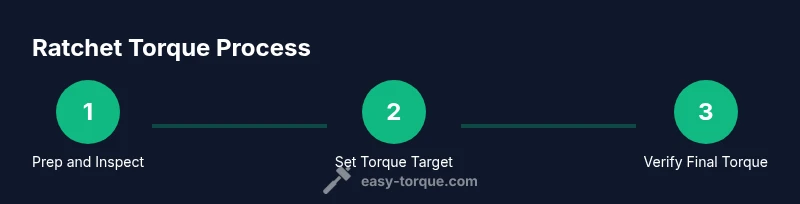
Inspect the fastener and threads
Before you tighten anything, clean the threads and inspect for damage. Remove any debris or corrosion and chase the threads if needed. Ensure the fastener and receiving hole are aligned to avoid cross-threading.
Tip: Wipe threads with a clean cloth and check for scoring or damage; replacement is often cheaper than repair. - 2
Choose the correct drive and socket
Select the socket that fits snugly and seats fully on the fastener. A loose socket can slip and strip corners, which changes the torque the fastener experiences.
Tip: Always test fit the socket before applying force; a precise fit reduces rounding and friction loss. - 3
Set your torque target on the wrench
If you’ll finish with a torque wrench, dial in the targeted torque value before starting. If you’re relying on a torque-limiting device, confirm the limit is correct for the application.
Tip: Double-check units (e.g., ft-lbs vs in-lbs) and ensure the scale is readable in your working position. - 4
Attach the ratchet and engage the fastener
Slide the socket onto the fastener and hook the ratchet to it. Ensure the interface is straight and not cross-threaded before applying torque.
Tip: Keep the fastener square to the work surface to avoid side loading that can skew torque readings. - 5
Tighten to near spec with the ratchet
Using smooth, controlled strokes, bring the fastener close to the target torque. Avoid jerks or sudden full-force twists that can overshoot the value.
Tip: Pause briefly between turns to confirm no audible or felt changes indicating binding or misalignment. - 6
Finish with a torque wrench to spec
Switch to the torque wrench and apply torque until the device indicates the target or clicks. Stop immediately at the set point to avoid overshoot.
Tip: If the wrench doesn’t reach the exact value due to friction or binding, re-check alignment and repeat with care. - 7
Verify torque and document
Re-check the final torque with the wrench and visually inspect the fastener and surrounding area for clearance or interference. Record the torque value used for future maintenance.
Tip: Documentation helps with maintenance schedules and warranty or service requirements.
Your Questions Answered
Can a ratchet wrench accurately torque fasteners?
No. A ratchet only provides turning force. Accurate torque requires a torque wrench or similar device to measure preload.
A ratchet by itself doesn’t measure torque; use a torque wrench for accuracy.
When should I use a torque wrench instead of a ratchet?
Use a torque wrench whenever a specific torque value is specified by the manufacturer or when repeatable preload is critical for safety.
Use a torque wrench whenever a precise torque value is required.
What is the difference between a torque wrench and a ratchet wrench?
A torque wrench measures and controls torque, while a ratchet wrench provides leverage to turn fasteners without measuring torque.
Torque wrenches measure torque and ratchets apply turning force.
How can I torque fasteners without a torque wrench?
Without a torque wrench, use established torque sticks or tightening sequences as a temporary measure, then verify with a torque wrench when available.
If you don’t have a torque wrench, use known torque sticks and verify later with a proper tool.
How often should torque tools be calibrated?
Calibrate according to manufacturer guidance and after any impact or drop that could affect accuracy; annual checks are common for critical work.
Check and calibrate your torque tools regularly, especially for critical jobs.
What is a torque angle gauge used for?
A torque angle gauge measures subsequent rotation after reaching preload, used for certain fasteners to ensure proper clamping.
Angle gauges help when the spec requires turning the bolt by a specific angle after preload.
Watch Video
Top Takeaways
- A ratchet alone does not measure torque.
- Use a torque wrench for precise tightening whenever required.
- Match drive size and socket fit to the fastener.
- Verify final torque with a measurement tool.
- Document torque values for critical assemblies.