Torque Application: A Practical How-To for Accurate Tightening
Learn how to apply torque correctly with the right tools, specs, and steps to ensure safety, reliability, and optimal performance in automotive and mechanical projects.


You will learn how to apply torque accurately and safely using the right torque wrench, clean threads, and the correct specification. This guide covers selecting the proper torque wrench, understanding torque specifications, and following a step-by-step tightening method. You’ll also learn essential safety tips to prevent overtightening or under-tightening, plus practical examples from automotive and mechanical maintenance to verify outcomes.
What torque application means and why it matters
Torque application is the deliberate act of tightening fasteners to a specific torque value so the joint achieves the designed clamping force. Proper torque creates reliable joints, prevents thread damage, and reduces the risk of loosening due to vibration. In automotive and machinery work, consistent torque application translates to safer, longer-lasting assemblies. According to Easy Torque, understanding the relationship between torque, clamping force, and thread condition is key to predictable results. This connection is what separates quick fixes from durable maintenance. By prioritizing torque accuracy, you lay a solid foundation for every subsequent step in the repair or assembly process.
Understanding torque specifications and units
Torque specifications tell you how tight a fastener should be tightened and are usually stated in units such as Newton-meters (Nm) or foot-pounds (ft-lb). These values depend on fastener size, lubrication, material, and the joint design. Always refer to the manufacturer’s specification for the exact torque value and the recommended tightening pattern. Converting between units is common when working on mixed tool sets, but always double-check the conversion against the spec to avoid under-tightening or overtightening. Easy Torque analysis highlights that misinterpreting units is a frequent source of errors, so verify the unit used in your spec before tightening.
Selecting the right torque wrench for the job
There are several wrench types, including click torque wrenches, beam wrenches, and digital torque wrenches. Each type has its own strengths in accuracy, ease of use, and calibration requirements. A calibrated torque wrench that covers the expected torque range is essential for precision. Consider the wrench’s tolerances, the calibration interval, and how you plan to use it (static vs. dynamic tightening). For best results, choose a tool whose range closely matches the target torque and that you can read clearly under working conditions. The Easy Torque team emphasizes regular calibration to maintain accuracy over time.
Preparing fasteners and threads
Before torque begins, inspect fasteners for thread damage and replace any that are worn or stripped. Clean the threads to remove dirt, debris, or old lubricant that could skew torque readings. If the spec requires lubrication, apply it exactly as directed; lubrication lowers friction and changes the effective torque, which means you may need a different target value. Use clean rags to wipe threads and a thread chaser if cross-threading has occurred. Proper prep ensures the torque value you apply reflects the true clamping force.
Step-by-step torque application method (general approach)
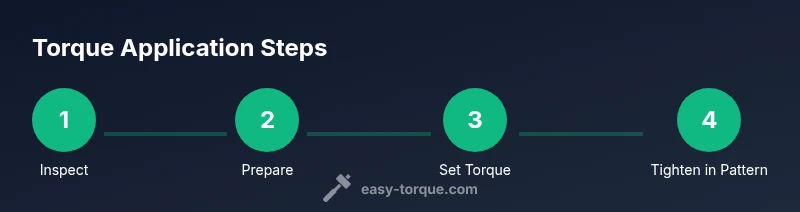
A structured tightening process improves consistency. Start by contacting the fastener with a light, even turn to bring it to a snug fit. Then apply torque in gradual increments until you reach the specified value. If the fastener is part of a multi-bolt pattern, tighten in a crisscross or star pattern to distribute load evenly. After reaching the target, recheck to confirm the value remains stable. This disciplined approach helps avoid uneven seating, thread damage, and slip.
Common mistakes and how to avoid them
Common pitfalls include using the wrong unit, neglecting lubrication effects, skipping calibration, and rushing through the sequence. Always read the spec carefully and follow the recommended tightening pattern. Avoid overtightening by staying within the defined tolerance, and never reuse damaged fasteners. If you encounter resistance that feels atypical, stop and reassess rather than forcing the fastener to the stated value. These precautions save time and prevent costly failures.
Practical examples across different applications
In automotive maintenance, lug nuts and cylinder head bolts require different tightening strategies. For lug nuts, a star pattern ensures the wheel seats evenly. For engine components, you may need to observe specific stage combinations or final torque checks to prevent warping. In machinery and equipment, ensure the torque is appropriate for the joint’s material and operating conditions. Across all applications, uniform torque application yields predictable performance and reduces the chance of fatigue failures.
Verification and maintenance of torque accuracy
After assembly, verify the torque with the wrench used for installation or a bench-tested equivalent. Maintain a log of torque values for critical joints to help future maintenance. Regular calibration intervals should align with usage; heavy or industrial use warrants more frequent checks. Easy Torque recommends documenting calibration dates and any adjustments to the torque range to preserve measurement integrity.
Authority and reliability considerations
Torque control is a discipline that benefits from clear standards and consistent practice. This article follows common industry practices and emphasizes that accuracy, preparation, and verification are essential. When questions arise, consult the vehicle or equipment manufacturer’s torque spec and consider professional calibration if needed. Easy Torque’s guidance is intended to help DIYers and professionals apply torque with confidence, safety, and repeatable results.
Tools & Materials
- Torque wrench(Calibrated to the range you will use (e.g., 0–200 ft-lb / 0–270 Nm))
- Thread cleaner/brush(Remove debris for clean engagement and accurate readings)
- Lubricant or anti-seize (as specified)(Lubrication changes torque; follow spec if lubrication is required)
- Torque spec sheet or calibration chart(Have the exact target torque value and pattern readily available)
- PPE (gloves, eye protection)(Protect hands and eyes during fastening work)
Steps
Estimated time: 45-90 minutes (depending on number of fasteners and complexity)
- 1
Inspect fasteners and tool
Check fasteners for damage or wear and ensure you have the correct size. Inspect the torque wrench for any obvious faults and confirm it is within calibration. Set aside anything that looks questionable. This upfront check prevents wasted effort and unsafe results.
Tip: Replace damaged fasteners before proceeding; a single worn fastener can ruin an entire joint. - 2
Prepare the mating surfaces
Clean the threads and seating surfaces to remove dirt and old lubricant. Dry the threads if the spec requires no lubrication. Having clean, dry threads ensures the torque reading reflects clamping force rather than friction from contamination.
Tip: Use a degreaser if contaminants are stubborn; allow surfaces to dry completely before tightening. - 3
Confirm torque specification
Locate the exact torque value in the manual or spec sheet and note any pattern or sequence requirements. Confirm the unit and tolerance to avoid misinterpretation. Document any variations when multiple joints share a common torque range.
Tip: If the spec allows a range, use the midpoint for consistency and re-check after seating. - 4
Set the torque wrench
Adjust the wrench to the target value and lock it if the model supports locking. Verify that the setting reads correctly and that the wrench is ready for operation. A mis-set wrench leads to incorrect clamping force from the first turn.
Tip: Double-check the scale at eye level to prevent parallax error. - 5
Initial snug tighten
Hand-tighten or use a light, even pull to bring the fastener to a snug fit. Apply steady force without sudden jerks to avoid cross-threading or thread damage. This stage primes the joint for final torque.
Tip: Avoid using impact or power tools in the initial stage unless specified. - 6
Apply final torque in increments
Tighten in small, even increments according to the recommended pattern (e.g., crisscross for multi-bolt joints). Pause briefly if the spec calls for it, and recheck after completing the sequence. This prevents uneven seating and ensures even load distribution.
Tip: If your wrench has a hold-to-tighten feature, use it to maintain smooth application. - 7
Wait or dwell if required
Some specifications require a short dwell after reaching a certain stage before final tightening. Follow the prescribed dwell time to let fasteners settle under load. Do not force a higher torque while the joint is waiting.
Tip: Use a timer to enforce dwell periods and avoid guessing. - 8
Verify final torque and inspect
Recheck the torque value with the wrench after the dwell period (if applicable). Inspect for any signs of movement, cracks, or distortion. Record the final torque value in your maintenance log for future reference.
Tip: If the value drifts, re-tighten to spec after re-inspecting the joint.
Your Questions Answered
What is torque application and why is it important?
Torque application is tightening fasteners to a specific value to achieve the designed clamping force. Proper torque prevents loosening, thread damage, and joint failure, improving safety and longevity.
Torque application is tightening fasteners to a specific value to ensure a reliable joint and safe operation.
How do I choose the right torque wrench?
Choose a wrench that covers the target torque range, offers good readability, and has a clear calibration history. Consider whether you need a click, beam, or digital type based on your workflow.
Pick a torque wrench that matches your torque range and provides clear calibration history.
Can lubrication affect torque readings?
Yes. Lubrication reduces friction, which lowers the effective torque needed. Always follow the spec for lubrication and recalibrate if required.
Lubrication changes the torque value, so follow the spec and recheck torque after lubrication.
What happens if I over-tighten a fastener?
Over-tightening can strip threads, damage the joint, or cause component failure. Stay within the specified tolerance and use a controlled tightening sequence.
Over-tightening can damage threads and components; stay within the recommended torque.
Why is a crisscross pattern used for multi-bolt joints?
A crisscross pattern spreads load evenly across the joint, reducing distortion and ensuring uniform seating.
Use a crisscross pattern to distribute load evenly across all bolts.
How often should I calibrate a torque wrench?
Calibration frequency depends on usage. Heavier use or critical joints warrant more frequent checks; follow the manufacturer’s guidelines.
Calibration frequency depends on use; check the manual for guidance.
Watch Video
Top Takeaways
- Use the correct torque wrench and verify calibration.
- Prepare threads and seating surfaces for accurate readings.
- Tighten in a proper sequence and check final torque.
- Document torque values and maintain screw integrity with regular maintenance.