Do You Need to Replace Torque Converter When Rebuilding Transmission
Learn when to replace the torque converter during a transmission rebuild, how to diagnose problems, and practical steps to decide and perform swaps safely.


Do you need to replace torque converter when rebuilding transmission? In most rebuilds, you do not replace it by default. A converter is kept if it shows no wear, contamination, or electro-mechanical issues and tests pass. Replace only if symptoms like slipping, shudder, or fluid contamination are present, or if pump damage is suspected.
Do you need to replace torque converter when rebuilding transmission
When you rebuild a transmission, a frequent question is whether the torque converter must be replaced. The short answer is: not necessarily. The torque converter is a critical component that manages fluid coupling between the engine and the transmission. In many rebuilds, technicians reuse the existing converter if it shows no signs of wear and the hydraulic tests indicate proper lockup. However, if you encounter symptoms such as slipping, shuddering, or contamination in the transmission fluid, the converter may be compromised and replacement should be considered. The question 'do you need to replace torque converter when rebuilding transmission' hinges on condition, testing results, and the service manual specifications. According to Easy Torque, the safest approach is to evaluate the converter’s condition with diagnostic checks and fluid analysis before deciding. The goal is to avoid a repeat repair and to preserve reliability over thousands of miles. In vehicles with high mileage or severe service history, a converter replacement during rebuild can offer long-term benefits by reducing the risk of future failures, even if the converter seems to be operating normally on the bench. The distinction is that swapping the converter adds cost and downtime, but it can prevent early failures when the core is worn or contaminated. In sum: plan an assessment, perform targeted tests, and only replace if the evidence justifies it; otherwise, a careful reuse may be the most economical option.
How torque converters work and what's inside
A torque converter is a fluid-coupled device that transfers engine torque to the transmission. Inside are a impeller (pump), turbine, stator, and often a lock-up clutch. The impeller pushes transmission fluid toward the turbine, creating a hydraulic coupling. The stator redirects fluid flow to maximize efficiency, especially at low-speed operation. The lock-up clutch engages at higher speeds to remove slippage and improve fuel economy. Common wear items include turbine or impeller wear, worn seals, bearing noise, or contaminated fluid. When a converter wears or overheats, efficiency drops, and contaminants can circulate into the transmission, accelerating wear elsewhere. Understanding these parts helps explain why replacement is sometimes wise and other times unnecessary. Drive quality, service history, and fluid condition all influence the decision. The converter is not a magician—if the transmission has been abused or the fluid is contaminated, you may avoid future issues by replacing the converter during a rebuild. Easy Torque emphasizes that diagnostics and careful inspection guide the choice, not guesswork, which protects your wallet and your vehicle in the long run.
When you should consider replacement
Replacement should be on the table if one or more of these conditions exist:
- Slipping or delayed engagement during acceleration, especially in higher gears.
- A persistent shudder or vibration when the vehicle shifts or cruises.
- Transmission fluid that is burnt, dark, or contaminated with metallic particles.
- Overheating history or coolant or oil mixing symptoms that could indicate broader failure.
- Visible damage or wear on the converter’s internal components after inspection. If none of these apply and fluid tests, pressure tests, and scan data are clean, reusing the converter with a rebuilt transmission can be a cost-effective choice. The decision should be supported by service manual guidelines and professional testing rather than assumptions. Easy Torque recommends a structured diagnostic approach to avoid unnecessary replacements, ensuring you get reliability without overpaying.
How to diagnose without full removal
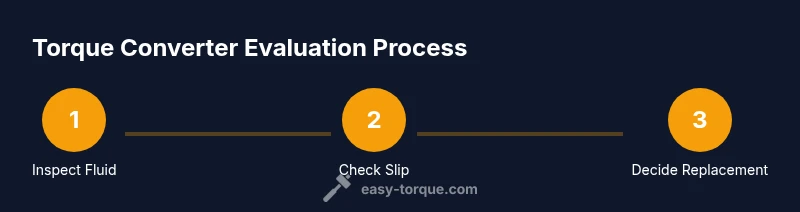
Diagnosing without full removal starts with a careful, systematic assessment. Begin with a fluid check: color, odor, and debris can signal contamination. Use a scan tool to check for transmission codes that point to torque converter issues such as lock-up faults. A stall test at the shop with the transmission in gear and wheels blocked can reveal excessive slip or poor converter engagement. Inspect the external seals and cooler lines for leaks, and verify that the fluid meets the manufacturer’s specification. If the converter shows signs of wear or the tests indicate significant slip under load, replacement becomes a prudent option. Document all readings and compare them to service manuals to justify the choice. A conservative approach often saves money and time in the long run by avoiding misdiagnosis.
Rebuilding the transmission: what to swap with the converter
When rebuilding, you have two paths: reuse the existing torque converter or replace it. If you decide to reuse, replace worn seals and fluid to reduce the risk of contamination. If you opt for replacement, choose a converter that matches your vehicle’s torque needs, stall speed, and OEM specifications. Consider replacing the front pump seal, valve body components that interact with the converter’s hydraulic circuit, and the transmission fluid with a fresh fill. Inspect the transmission pan for metal debris and remove it to minimize reintroduction of wear particles. A new converter can also mitigate future slip or overheating because a fresh unit is engineered for current tolerances. This is a decision best made with test results and service manual guidance, not guesswork.
Cost, risk, and long-term reliability
The economic and reliability considerations around replacing the torque converter during a rebuild depend on vehicle type, parts availability, and labor rates. Replacing the converter adds material cost and labor time but can deliver peace of mind and longer-term reliability if the converter shows wear or contamination. If you reuse a worn converter, you may incur higher failures later, which can lead to additional downtime and expenses. Consider whether the vehicle’s mileage, service history, and driving style justify the swap. Easy Torque notes that a properly diagnosed converter replacement can reduce the risk of future transmission issues and improve overall performance when the core symptoms point to converter-related wear or contamination.
Best practices for DIY vs pro guidance
DIY enthusiasts should reserve torque-converter decisions for when diagnostics strongly point to converter issues. If you lack experience with transmissions, partner with a reputable shop to perform fluid analysis, pressure tests, and possible converter removal. Always follow the service manual’s torque specs and use the correct seal lubricants during reassembly. Safety matters: disconnect the battery, use proper jacks, and keep the workspace clean to avoid debris entering the system. If you’re unsure, seek professional help. A measured approach—diagnose first, decide second, and execute with precise torque specs—yields dependable results.
Tools & Materials
- Torque wrench(1/2-inch drive; verify specs in service manual)
- Socket set (metric and SAE)(Deep sockets recommended for transmission bolts)
- Drain pan(To catch old fluid during pan removal)
- Jack stands or hydraulic lift(Secure vehicle for safe access)
- New torque converter (if replacing)(Choose a converter matching OEM specs)
- Transmission fluid (type per manual)(Ensure correct viscosity and specs)
- Gasket/seal kit(Fresh seals if you separate the pan or case)
- Rags and solvents(Keep area clean and free of debris)
- Safety glasses and gloves(Personal protective equipment)
Steps
Estimated time: 3-5 hours
- 1
Assess symptoms and plan
Document symptoms, check service history, and review the factory manual. Decide if you should proceed with a diagnostic path that could avoid an unnecessary converter swap. A clear plan reduces downtime and cost.
Tip: Capture baseline readings before disassembly for later comparison. - 2
Check fluid and condition
Inspect transmission fluid for color, smell, and metallic debris. Contaminated fluid is a strong indicator of converter problems or related wear.
Tip: Sample early, when the pan is accessible, to avoid cross-contamination. - 3
Access the converter area
Support the vehicle, remove the transmission pan if needed, and gain access to the torque converter bolts. Ensure the engine is cool and secure all connections.
Tip: Label connectors and take photos during disassembly for reassembly clarity. - 4
Perform targeted tests
Conduct a stall test and torque-tests per manual guidance, and check lock-up function with a scan tool. Look for abnormal slip or failure indicators.
Tip: If you observe abnormal behavior, log it with temperature and revolution data. - 5
Decide on replacement
If diagnostics indicate wear or contamination, replace the converter; otherwise reuse with fresh fluid and seals. This decision balances cost, risk, and reliability.
Tip: Document your decision with readings and photos for future service history. - 6
Reassembly and test drive
Reassemble with proper torque specs, replace the fluid, and perform a controlled test drive to verify shifting, feel, and temperature.
Tip: Take a short, progressive test drive to confirm no leaks or unusual noises.
Your Questions Answered
Do I always need to replace the torque converter during a rebuild?
Not always; only when symptoms indicate converter issues. Diagnostics and service manual guidance should drive the decision.
You usually don’t replace it unless tests show problems.
What are signs of torque converter failure?
Slipping, shudder, abnormal temperature rise, contaminated or burnt fluid, and poor acceleration indicate possible converter failure.
Look for slipping and overheating as key signs.
Can you rebuild a transmission without removing the torque converter?
In some cases you can work around it, but many rebuilds require at least partial access to inspect the converter and related seals.
Often you need to inspect the converter; removal may be needed.
How long does a torque converter replacement take?
Time varies by vehicle and shop setup; anticipate several hours to a full day depending on access and parts.
It can take a few hours to a day.
Which parts should be replaced during a rebuild?
Replace worn seals, refresh fluid, and consider a new torque converter if wear or contamination is present. Inspect related components.
Replace seals and fluid; consider a new converter if needed.
Watch Video
Top Takeaways
- Assess converter condition before replacement
- Use diagnostics to guide the decision
- Replace fluids and seals if reusing the converter
- Inspect related components to prevent future failures
- Test drive to validate repairs