How to Reduce Torque of a Motor: A Practical Guide
Learn practical, step-by-step methods to safely reduce motor torque using electrical control, gearing, and soft-start strategies. Ideal for DIY mechanics, technicians, and hobbyists seeking safer, more efficient motor operation.


You can reduce motor torque by limiting electrical input, adjusting drive settings, and moderating the load profile. Start with safe current limits, use PWM and soft-start to avoid peak torque, and consider gearing or torque dampers for stable operation. Combine electrical control with mechanical changes for robust performance across applications.
Why Reducing Torque Matters in Motor Systems
According to Easy Torque, controlling torque isn’t just about protecting components; it’s about aligning motor performance with load demands, energy efficiency, and safety. When a system already shows excessive acceleration, high current peaks, or uneven torque delivery, reducing torque can prevent wear, reduce energy waste, and improve operator control. This section outlines when and why you would deliberately reduce torque in a motor-driven setup and what outcomes you can expect. You’ll learn to balance speed with protection, especially in systems with belts, conveyors, or automated tooling where a too-torquey start can cause slippage or jams. In practice, a measured reduction in torque improves reliability and extends component life, while still meeting required performance targets. The discussion also highlights common pitfalls and how to avoid them with a structured plan that combines electrical controls, mechanical adjustments, and careful monitoring.
Core Concepts: Torque, Load, and Control
Torque is the rotational force a motor can apply to a load. In DC motors, torque is proportional to armature current, while in AC motors it depends on slip, magnetization, and load torque. The torque available at the shaft must balance the load torque demanded by the mechanism plus losses. If the load is reduced or the drive is tuned to supply less current, the motor operates at lower torque. This is frequently controlled through the drive’s current limits, voltage limits, and ramp profiles. Load torque can vary with speed, acceleration, friction, and mechanical design, so understanding the relationship between current, voltage, and mechanical load is essential for intentional torque reduction. For DIY projects, a practical approach is to map the motor’s torque curve, identify the torque your application actually requires, and design control changes to keep operation in a safe, efficient window. Easy Torque analysis suggests that most systems gain stability when torque is kept just above the minimum needed to move without stalling.
Electrical Strategies to Reduce Torque Demand
Electrical control is the primary lever for lowering torque without mechanical changes. Start by ensuring the drive or controller remains within rated voltage and current. Use PWM to smooth current demand and apply a soft-start to ramp torque gently instead of delivering a rapid impulse that spikes current. Implement current limiting or torque-limiting settings in the drive so that peak torque cannot exceed a safe threshold. If your motor is part of a variable-speed system, consider reducing the target speed where feasible, since torque requirements can rise with acceleration. For servo or stepper-based systems, ensure the torque command aligns with the motor’s capabilities, avoiding commands that would demand more torque than the system can reliably deliver. Monitoring temperature and current during changes helps verify that the torque reduction is maintaining safe operating conditions. In sum, electrical strategies focus on reducing peak current and demand while preserving smooth operation and control.
Mechanical Strategies to Reduce Torque Transfer
Sometimes the best way to reduce effective torque at the load is to adjust mechanical linkages and powertrain design. Increasing gear reduction can lower the torque transmitted to the driven side while keeping motor torque within its comfortable range. Clutches, torque limiters, or viscous dampers can decouple sudden torque spikes from the load, protecting bearings and couplings. Flexible couplings dampen torsional vibration and torque ripple, improving longevity in systems with varying loads. Belt drives and compliant elements can absorb shock, while maintaining speed under nominal conditions. When planning mechanical changes, ensure the redesigned torque flow still meets needful performance metrics and does not cause belt slip or belt wear. Implementing these changes requires careful calculation of load inertia and the motor’s torque capability to avoid under- or over-driving components.
Control Strategies and Practical Considerations
Combining control strategies with safe mechanical adjustments yields the most reliable results. Start by selecting a drive with built-in torque-limiting features and configure them to your target operating window. Use software ramps (acceleration and deceleration) to prevent sudden torque surges. If possible, implement feedback from a sensor to adjust torque in real time, keeping the motor within safe margins. Temperature monitoring is essential because lower torque can still produce heat, especially during extended periods of operation or frequent starts. Consider a staged approach: first apply electrical limits, then introduce mechanical dampers or gearing, and finally validate with real-world loading. By approaching torque reduction in layers, you minimize risk and maximize control over the motor’s behavior. According to Easy Torque, a well-planned combination of drive settings, mechanical design, and monitoring delivers predictable performance with reduced wear and energy use.
Practical Implementation: Plan, Test, and Validate
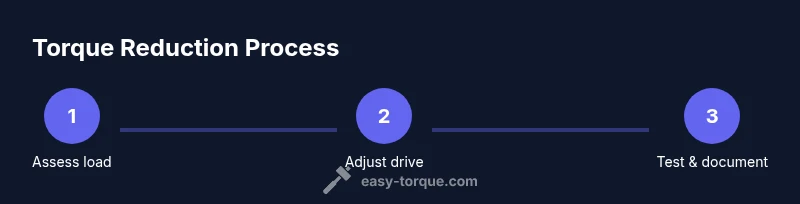
A clear, repeatable process ensures success when reducing motor torque. Begin with a thorough assessment of the system’s requirements and safety constraints, then implement controlled changes in small, reversible steps. Document results at each stage, including current, voltage, speed, torque indicators, and temperature. Use a test load that resembles real operating conditions to gauge how the torque reduction translates to performance. If you observe excessive heating, motor stall, or belt slip, rollback or adjust the approach. The key is to keep the torque within a safe band that prevents damage but still achieves your operational goals. The Easy Torque team recommends a disciplined, data-driven approach to torque reduction that prioritizes safety, reliability, and measurable efficiency gains.
Authority and Further Reading
- https://www.energy.gov
- https://www.osha.gov
- https://www.nist.gov
For more detailed, field-tested approaches, consult manufacturer manuals and standards related to torque safety and motor control. Always verify that your changes comply with applicable electrical and mechanical safety guidelines before operating under load.
Tools & Materials
- Adjustable power supply or motor drive (VFD/ESC/Controller)(Capable of setting voltage/current limits and ramp rates)
- Digital multimeter or current sensor(To monitor current and voltage during tests)
- PWM-capable motor controller or VFD(For PWM control and soft-start functionality)
- Clamp meter or oscilloscope(Helpful for measuring current spikes and waveform shape)
- Torque sensor or torque wrench (calibration tool)(Optional for validating torque roughly during testing)
- Gearbox with adjustable ratio or torque limiter(Mechanical means to reduce torque transfer to the load)
- Personal protective equipment (PPE)(Goggles, gloves, and hearing protection as needed)
- Lubricant suitable for motor bearings(Only if bearing maintenance is part of the plan)
Steps
Estimated time: 60-120 minutes
- 1
Assess torque requirements and safety
Identify the load torque your system actually needs and the safety constraints. Gather existing performance data, including startup behavior, torque peaks, and failure modes. This establishes a baseline for how much torque you can safely reduce without compromising function.
Tip: Document baseline measurements before making changes. - 2
Set electrical limits on the drive
Configure the drive to enforce maximum current and voltage limits. Use a conservative ramp and enable current limiting to prevent peak torque spikes during startup or acceleration. Verify the drive response with a low-load test first.
Tip: Start with a 5–10% current reduction and adjust incrementally. - 3
Enable PWM and soft-start
Activate PWM control for smoother current delivery and apply a soft-start to ramp torque gradually. This reduces immediate torque demand and wear on drive components and mechanical joints.
Tip: Set a longer ramp time for heavy loads to minimize shock. - 4
Evaluate mechanical load and gearing options
If electrical changes aren’t enough, adjust the mechanical side by changing gearing, adding a torque limiter, or damping elements. Ensure the new configuration still meets performance targets without causing belt slip or alignment issues.
Tip: Compute new torque at the load side considering the gear ratio. - 5
Implement torque-limiting features
Utilize drive features that cap torque under controllable conditions. Combine with feedback sensors to adjust on-the-fly if load varies unexpectedly. Validate the limits under typical operating scenarios.
Tip: Keep a rollback plan in case limits cause under-performance. - 6
Test under controlled loads and document results
Run the system through repeatable load cycles and record current, voltage, speed, torque proxies, and temperature. Compare to the baseline and confirm that torque remains within the desired range while fulfilling performance criteria.
Tip: Use a standardized load profile for repeatability.
Your Questions Answered
What does it mean to reduce motor torque?
Reducing motor torque means limiting the rotational force a motor can apply to a load. This is done by controlling electrical input, drive settings, and/or modifications to the mechanical drive train to match the required load without over-stressing components.
Reducing motor torque means lowering the rotational force a motor applies, using electrical controls or mechanical changes to fit the load safely.
Can I reduce torque without affecting speed?
Yes, through careful control of current, voltage, and ramp rates, you can limit torque while maintaining acceptable speed in many systems. Some reductions will shift performance curves, so testing is essential.
You can limit torque while keeping speed acceptable, but you may need to adjust expectations and test the new setup.
What tools do I need to reduce torque safely?
A variable drive, a current sensor or multimeter, a way to monitor temperature, and components for any planned mechanical changes. Always use PPE and follow safety guidelines when modifying electrical and mechanical systems.
You’ll typically need a controllable drive, measurement tools, and protective gear to work safely.
Is reducing torque safe for bearings and belts?
Reducing torque can extend bearing life if peak loads are lowered. However, abrupt changes or mismatched gearing can introduce new stress. Always monitor temperatures and load conditions after changes.
Lowering torque can help bearings and belts, but watch for new stresses after changes.
How do I validate that torque has been reduced correctly?
Use measurements of current, voltage, speed, and temperature under a controlled load. Compare with the baseline and ensure the torque remains within the target range during normal operation and startup.
Validate with data: compare current, temperature, and speed to baseline under representative loads.
Will reducing torque always improve energy efficiency?
Not always. Reducing unnecessary torque can save energy, but if torque is reduced below what’s needed, you may increase cycling or restart energy costs. Balance efficiency with reliability.
Torque reduction can help energy use, but avoid over-reducing and causing inefficiency from restarts.
Watch Video
Top Takeaways
- Identify the safe torque window before changes.
- Use electrical limits and soft-start to curb peak torque.
- Apply mechanical damping or gearing as needed.
- Validate with controlled tests and document results.