Rad Torque Systems: A Practical How-To Guide
Learn how to select, install, calibrate, and maintain rad torque systems with Easy Torque's step-by-step approach. Safe, accurate torque guidance for DIYers and pros.


Rad torque systems deliver precise torque control through an integrated sensor, controller, and actuator. This guide shows you how to select, install, and calibrate these systems, plus safety considerations and maintenance tips. Designed for DIY mechanics, automotive enthusiasts, technicians, and hobbyists, with practical guidance from Easy Torque.
What are rad torque systems?
Rad torque systems are torque-control platforms that integrate a sensor, controller, and actuator to apply a specified amount of force to fasteners. They are designed to improve repeatability, accuracy, and safety compared with traditional hand tools. In automotive, industrial, and lab settings, these systems can automate tightening sequences, log torque data for quality assurance, and alert users to out-of-spec conditions. For many projects, rad torque systems reduce human error and help teams meet stringent torque specifications without guesswork. According to Easy Torque, adopting a well-muentained rad torque approach can simplify complex assemblies and shorten project cycles, especially when multiple fasteners require the same torque profile.
Key terms to know include torque range, repeatability, accuracy, sensor type, and communication interface. While the core idea is straightforward—measure torque, apply the right amount, verify—the practical implementation varies by model, interface, and application. In this section we’ll introduce the core concept and set expectations for the rest of the guide.
Why accuracy matters with rad torque systems?
Accuracy in torque delivery is critical for safety, performance, and durability. Under-torqueing can lead to loosening, leaks, or failure under load, while over-torqueing can strip threads, stretch fasteners, or damage assemblies. Rad torque systems help maintain consistent torque across all fasteners in a joint, which reduces rework, shortens service times, and improves traceability for maintenance records. Easy Torque analysis highlights how precise torque translates into predictable clamping force, better gasket sealing, and longer component life. In environments where vibration, temperature cycles, or corrosion are factors, maintaining tight toll through rad torque systems minimizes unplanned downtime and warranty costs.
Core components and how rad torque systems work
A typical rad torque system comprises a torque sensor, a drive/actuator, a controller, and a software interface. The sensor measures real-time torque and feeds data to the controller, which calculates whether the target torque has been reached. The actuator applies torque through a compatible fastener interface, and the control loop continuously compares actual torque to the target. Many systems offer data logging, calibration routines, and safety interlocks to prevent over-torque. The value of rad torque systems lies in their ability to deliver repeatable results, maintain a verifiable record of each fastening event, and provide audible or visual alerts when specifications are not met. Easy Torque notes that choosing a system with robust diagnostics and a clear calibration workflow can save time during setup and commissioning.
How to select the right rad torque system for your project
Start by identifying the torque range you need and the fastener types you’ll use. Check compatibility with your interface (wired vs. wireless, USB, Bluetooth, or CAN bus) and ensure the software supports your preferred workflow (batch tightening, scripted sequences, or manual override). Consider the sensor’s resolution, backlash, and environmental ratings (dust, moisture, temperature). Look for a system with a clear calibration procedure, traceable outputs, and reliable customer support. If you’ll log data or integrate with a broader maintenance program, ensure the unit offers export formats and API access. Easy Torque recommends matching the system to your existing tools and verifying that the calibration keeps performance stable over time.
Installation and calibration workflow
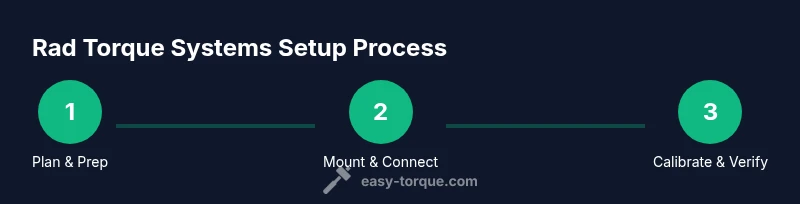
Plan a staged installation that minimizes downtime and protects components from contaminants. Begin by securing a clean workspace and confirming all fasteners and interfaces are within specification. Install the rad torque system on a test site before broad deployment, following the manufacturer’s guidelines for mounting, electrical connections, and software setup. Run the built-in calibration routine and verify torque output against a known standard. If discrepancies appear, re-zero the sensor, check for interference or mounting looseness, and repeat the calibration sequence. Document calibration data for future audits and maintenance planning.
Maintenance, safety, and troubleshooting
Regular maintenance is essential for sustained accuracy. Clean connectors and sensors, check cables for wear, and confirm mounting hardware remains tight. Re-calibrate on a scheduled basis or after any major service, component replacement, or detected drift. Safety notes: wear eye protection, avoid touching moving parts, and de-energize the system before adjustments. Troubleshooting steps include verifying power, inspecting cables for damage, re-running calibration, and consulting the vendor’s troubleshooting guide for error codes. Easy Torque emphasizes establishing a simple maintenance log to track calibration dates, fault codes, and corrective actions.
Real-world applications and case examples
Rad torque systems find use in automotive repair bays, aerospace assembly lines, and lab test rigs where precise torque control is essential. Workers rely on repeatable tightening sequences for fasteners in cylinder heads, crankshaft components, and structural assemblies. A common scenario is reassembling engines after maintenance when consistent torque reduces gasket leaks and improves reliability. By maintaining a transparent torque record, teams can demonstrate compliance during audits. Real-world cases also illustrate cost savings from reduced rework and shorter service cycles when rad torque systems are properly integrated.
Advanced tips and optimization for rad torque systems
To extract maximum value, tailor software scripts to your specific workflows, enabling batch tightening with real-time feedback and automatic documentation. Consider combining rad torque systems with pre-lubrication strategies or threadlocker protocols where appropriate to stabilize clamping force. Periodically review calibration data against component wear and environmental changes, and adjust torque targets if necessary. As with any precision tool, invest in training for operators to reduce human error, and maintain a habit of verifying settings before every critical task.
Tools & Materials
- Torque wrench (digital or analog)(Calibrated to appropriate range for fasteners)
- Rad torque sensor/system module(Includes sensor, controller, and drive interface)
- Appropriate torque adapter or socket set(Metric or SAE as needed)
- Calibration kit or torque tester(Used to verify accuracy after setup)
- Thread lubricant or anti-seize compound(Optional for specific threads)
- Cleaning supplies (solvent, lint-free cloth)(Keep threads and interfaces clean)
- Safety gear (gloves, eye protection)(For all steps)
- Manufacturer manual or data sheets(For model-specific values)
Steps
Estimated time: 60-90 minutes
- 1
Prepare workspace and review specifications
Clear the work surface, verify model and torque range, and gather all required tools. Read the manufacturer’s installation guide to understand interfaces, wiring, and safety cautions before you begin. Confirm target torque values for the current job and plan a verification test after installation.
Tip: Take a quick photo of setup before assembly to aid future maintenance. - 2
Inspect components and inspect mounting surfaces
Check the rad torque system housing, sensor, and connector pins for damage. Clean mounting surfaces to remove oil, dust, or debris that could affect contact quality. Ensure all fasteners and adapters are compatible and free of burrs.
Tip: Use a magnetized pickup tool to avoid dropping small parts into the workspace. - 3
Mount the system to the target interface
Attach the rad torque module to the chosen interface with the correct hardware. Ensure alignment with the fastener axis and avoid cross-threading by hand-tightening first. Torque the mounting hardware to the recommended value only after confirming alignment.
Tip: Check clearance around cables to prevent pinching during operation. - 4
Connect power, data, and control interfaces
Secure power connections and data cables, ensuring proper shielding. If using wireless control, pair the device and confirm signal strength. Boot the controller and verify that the software recognizes the sensor.
Tip: Power up in a non-load state to avoid unexpected actuator movement. - 5
Run initial calibration and verify torque
Execute the instrument’s built-in calibration routine following the manual. Make a controlled tighten to a known reference and compare the measured value against the standard. If mismatches occur, recheck mounting, wiring, and software settings, then repeat calibration.
Tip: Document the reference results for future audits. - 6
Perform a functional test with dummy loads
Run a test sequence using dummy fasteners or a test fixture to simulate real-world loads. Confirm that each step reaches its target torque and that alarms or alerts trigger correctly when out-of-spec readings occur.
Tip: Use fresh fasteners and avoid damaged hardware during tests. - 7
Record results and train operators
Save calibration data, test results, and operating instructions in a centralized location. Train team members on startup checks, correct torque values, and safety protocols to ensure consistent use.
Tip: Establish a routine review schedule to maintain accuracy. - 8
Schedule ongoing maintenance
Create a maintenance calendar that includes recalibration, inspection of cables, and checks for wear on adapters. Regular reviews help catch drift early and keep rad torque systems reliable.
Tip: Set calendar reminders to avoid missing maintenance.
Your Questions Answered
What are rad torque systems and what are they used for?
Rad torque systems are integrated torque-control platforms that measure and apply a set torque to fasteners. They enhance repeatability, safety, and data logging in automotive, industrial, and lab applications.
Rad torque systems provide precise, repeatable torque control with built-in measurement and logging, ideal for automotive and industrial tasks.
Do rad torque systems replace traditional torque wrenches?
They complement traditional tools by providing automated or semi-automated torque control and verification. Manual torque wrenches may still be used for sanity checks or when calibration facilities are unavailable.
They don’t replace all manual tasks but add accuracy and logging where needed.
How do I calibrate a rad torque system?
Calibration typically involves following the manufacturer’s routine, applying known reference torques, and adjusting sensor readouts until the measured torque matches the reference.
Follow the device’s calibration procedure step by step and verify against a known standard.
What safety precautions should I take?
Wear safety gear, de-energize the system during adjustments, and keep hands away from moving parts. Ensure proper guarding and training for all operators.
Always wear PPE and follow lockout/tagout procedures during maintenance.
What maintenance is required for long-term accuracy?
Regular calibration checks, inspection of cables and connectors, and periodic software updates help maintain accuracy and reliability.
Keep a maintenance log and schedule routine recalibration.
Watch Video
Top Takeaways
- Understand rad torque systems as integrated torque-control platforms.
- Prioritize calibration and verification to ensure accuracy.
- Choose a system that matches your torque range and interface needs.
- Document results and train operators for consistent use.