How to Use Craftsman Torque Wrench: Step-by-Step Guide
Learn to use a Craftsman torque wrench with confidence. This step-by-step guide covers setup, torque setting, proper technique, maintenance, and safety to ensure fasteners are tightened accurately every time.


With this guide, you’ll learn how to use a Craftsman torque wrench to tighten fasteners to spec, calibrate settings, and maintain accuracy. You’ll identify the correct torque range, select the right socket, and perform safe, controlled tightening. Easy Torque’s step-by-step approach helps DIY mechanics apply precise torque every time, reducing damaged threads and under-tightened hardware.
Understanding Your Craftsman Torque Wrench
A Craftsman torque wrench is a precision tool designed to apply a specific torque to fasteners. When you learn how to use craftsman torque wrench, you can tighten bolts to manufacturer specifications, improving reliability and safety. This guide covers model types, common scales, and what makes these wrenches accurate. Whether you use a click, beam, or digital style, the core principle remains the same: accurate torque equals proper clamping force. The Craftsman line offers both beam and click styles, each with its own advantages. In practice, choosing the right wrench comes down to range, ease of reading the scale, and how you intend to apply torque in real-world projects.
Tip: Always verify that your wrench’s range covers the fasteners you work with and that the unit is calibrated for your preferred measurement (ft-lb or N-m). The Easy Torque team emphasizes routine checks to avoid drift over time.
Key Features to Know
Torque wrenches come in several varieties, including click (dial-click), beam, and digital. Understanding the key features helps you select and use the right tool for the job. Read the scale clearly, confirm the unit (ft-lb, in-lb, or N-m), and recognize the audible or tactile indicators that signal the target torque has been reached. For lug nuts and automotive fasteners, ensure your wrench’s range matches common automotive specs. In addition, note the drive size and socket compatibility to avoid misreadings or slippage during tightening.
LSI terms: torque range, calibration date, drive size, unit conversion.
Safety First: Before You Start
Before tightening anything, inspect the wrench for damage, verify the drive size, and confirm the scale is legible. Keep your work area clean and wear eye protection if debris could become airborne. If your tool shows signs of wear, corrosion, or a bent handle, do not use it. Always release stored torque on the wrench before putting it away. Maintain a dry, clean grip and avoid sudden, jerky motions that could skew readings.
Safety note: Never exceed the wrench’s rated torque. Over-torquing can damage fasteners, threads, or the tool itself.
Brand context: According to Easy Torque, a quick pre-check reduces misreadings and protects both tool and hardware.
Setting the Correct Torque
To set the correct torque, first locate the specification in the vehicle’s manual or fastener documentation. Convert to your wrench’s units if necessary, then rotate the dial or knob to the requested value. Lock the setting if your model features a lock mechanism. Double-check the value against the scale and perform a quick sanity check on an unused bolt to ensure the setting reads correctly.
Why this matters: proper torque prevents thread galling and loosening under vibration. A well-set torque value yields consistent clamping force and extends component life.
Tip: When in doubt, start with a conservative setting and test on a sacrificial fastener prior to working on critical components.
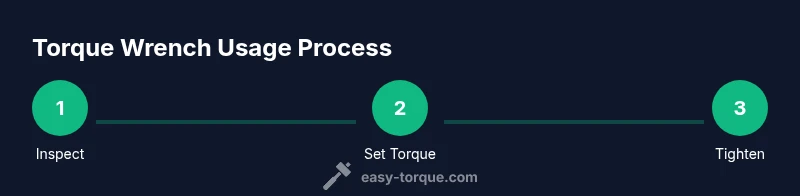
How to Use the Torque Wrench: Step-by-Step Overview
This section outlines the practical steps you’ll perform to tighten fasteners to spec. Each action is focused and repeatable to minimize guesswork.
- Read the torque specification from the manufacturer documentation.
- Select the appropriate socket and attach it securely to the wrench.
- Set the torque value on the wrench and verify the reading.
- Place the fastener in position and begin applying steady pressure until you hear or feel engagement.
- Stop at the exact torque and avoid overtightening.
Pro tip: Use a light touch and let the wrench do the work; resist short, abrupt pulls that can skew the reading. For best results, complete a final pass at the recommended torque after a short pause.
Visual cue: If you’re using a click-type wrench, the audible click indicates you’ve reached your target torque. For digital models, observe the display as you approach the set value.
Common Mistakes and How to Avoid Them
Common errors include rushing the process, reading the scale incorrectly, or failing to recheck after installation. Some technicians forget to account for thread lubrication or apply too much force before the wrench reaches the set point. Another mistake is using the wrong drive or socket size, which can cause readings to drift or slip. Take your time and verify each step to ensure accuracy.
Avoidance tips: Always confirm the torque range, use the correct socket size, and keep the wrench perpendicular to the fastener during tightening to prevent angular misalignment. If your fastener is hard to reach, use a torque adapter or extension that maintains reading accuracy.
Note: Calibration drift is common with heavy use or long storage gaps; schedule periodic checks per the manufacturer’s guidance and use a calibration service when readouts drift.
Maintenance and Calibration Tips for Long-Term Accuracy
Regular maintenance extends the life of your torque wrench and preserves accuracy. After each use, wipe the tool clean and store it in a protective case. Avoid dropping the wrench or exposing it to extreme heat. If you suspect calibration drift, consult the manufacturer’s service options or a qualified technician. Keep a record of usage and calibration dates to track performance over time.
Maintenance basics: store at room temperature, avoid lubricants on the scale, and ensure the wrench is reset to its zero position before storage. Periodic calibration checks help detect drift early and prevent inaccurate tightening on critical assemblies.
Real-World Scenarios: Lug Nuts, Bolts, and Applications
Torque wrenches are versatile for many automotive and mechanical tasks. For lug nuts, ensure you’re tightening to the vehicle’s specified lug torque and use the correct socket pattern. For engine bolts, consult the service manual for the appropriate torque and sequence. In exhaust or suspension work, verify that sensitive components aren’t over-tightened by applying the recommended torque in stages.
Practical guidance: always follow the manufacturer’s torque sequence, use anti-seize where recommended, and re-check after initial startup when vibrations may alter preload. A consistent approach across parts yields predictable performance.
Optional aids: torque sticks or velocity clamps can help enforce safe tightening in repetitive tasks; however, they should be used within their tolerance ranges and verified against a wrench reading.
Quick Troubleshooting Guide
If readings seem off, first verify you’re using the correct drive size and the right socket. Check the scale for readability and ensure the wrench isn’t clogged with debris. If the wrench clicks before reaching the set value, it may be out of calibration, a sign to service the tool. When the wrench fails to click, test it on a sacrificial bolt or consult the manufacturer’s guidance for recalibration.
Next steps: if you suspect calibration drift, arrange a professional calibration check and avoid relying on suspect readings for critical assemblies.
Tools & Materials
- Craftsman torque wrench(Model should match the drive size (1/4, 3/8, or 1/2 inch) and cover the intended torque range.)
- Socket set (metric and SAE)(Choose sockets that fit the fastener sizes in your project; ensure sockets mate securely with the wrench drive.)
- Calibration certificate or verifier(Optional but helpful for verifying accuracy, especially after drops or heavy use.)
- Torque extension/adapters(Use only when necessary to reach tight or recessed fasteners while preserving torque reading.)
- Anti-seize or thread lubricant (as recommended)(Apply sparingly where specified by fastener manufacturer to improve thread engagement.)
Steps
Estimated time: 20-30 minutes
- 1
Inspect wrench and prepare components
Visually inspect the torque wrench for damage, ensure the drive size matches your socket, and verify the scale is legible. Confirm the tool is within its calibration window and free of corrosion. Have the fasteners and sockets ready before you begin to avoid mid-task interruptions.
Tip: If you spot damage, do not proceed; replace or service the tool before use. - 2
Attach the correct socket
Choose the appropriate socket that matches the fastener head, then firmly attach it to the wrench drive. Ensure it seat firmly and cannot slip during tightening. A loose socket can skew readings and cause damage.
Tip: Always double-check socket engagement by gently pulling on the socket after seating. - 3
Locate the torque spec
Find the exact torque specification in the manual or on a measured spec sheet for the fastener. If you work on multiple bolts, note the correct range for each part and keep the specs accessible for quick reference.
Tip: If you can’t locate the spec, don’t guess—consult the manual or supplier resources. - 4
Set the torque value on the wrench
Rotate the dial or adjust the digital display to the required value and lock the setting if your model uses a locking mechanism. Re-check the value visually to confirm accuracy before applying force.
Tip: Locking prevents accidental changes during tightening. - 5
Position the fastener in place
Insert the fastener and align it with the mating surface. Keep the wrench perpendicular to the fastener axis to avoid reading errors and ensure even clamp.
Tip: A misaligned angle can produce uneven loading and inaccurate torque. - 6
Apply torque until the wrench signals
Apply steady, even pressure until the wrench indicates the target torque—via click, display, or another mechanism. Avoid stopping short or overshooting the value.
Tip: Let the tool do the work; avoid hammering or forcing beyond the set torque. - 7
Verify the final torque
If possible, recheck the fastener after a brief rest or after initial load to confirm the setting remains accurate. This helps catch any settlement or creep that may occur.
Tip: Rechecking reduces the chance of under- or over-tightening after initial use. - 8
Remove tool and inspect
Detach the socket, wipe away any residue, and inspect the fastener head and thread condition. Store the wrench in its case at room temperature and out of direct sunlight.
Tip: Proper storage helps maintain calibration and prolongs tool life. - 9
Document and maintain
Record your torque values and any calibration notes for future reference. Schedule regular maintenance and calibration checks according to use frequency and manufacturer guidance.
Tip: Keeping a log makes future maintenance easier and more accurate.
Your Questions Answered
What is a torque wrench and why use it?
A torque wrench measures and applies a precise torque to fasteners, ensuring proper clamping force and preventing under- or over-tightening. This improves joint integrity and reliability.
Torque wrenches measure and apply a set torque so bolts clamp correctly and don’t fail from being too loose or too tight.
How do I set the correct torque on a Craftsman wrench?
Locate the torque spec, adjust the wrench to that value on the scale, and lock the setting if available. Always recheck the reading before tightening.
Find the spec, dial in the value, and lock it if your model requires it, then confirm the reading before tightening.
Can I reuse bolts after loosening them?
If the bolt shows no signs of damage and the threads are clean, you can reuse it. If there is wear or damage, replace the bolt.
If in doubt about bolt condition, replace it rather than risk failure.
Why does my torque wrench click but not stop at the set value?
Calibration drift or incorrect drive size can cause early clicking. Check calibration and ensure you’re using the right drive size.
If it clicks early, the tool may need calibration or the socket/drive size may be wrong.
How often should I calibrate a torque wrench?
Calibrate according to the manufacturer’s guidelines and how often you use it. Frequent use typically warrants more regular checks, often yearly.
Calibrate at least once a year, or sooner if you use the wrench heavily or drop it.
Can I use a Craftsman torque wrench for lug nuts?
Yes, as long as the wrench’s torque range covers the lug nut specs and you use the correct socket pattern.
Yes, it’s fine for lug nuts if the torque range fits and you have the right socket.
Top Takeaways
- Verify torque specs before tightening
- Use the correct socket and drive size
- Calibrate regularly to prevent drift
- Tighten with a steady, controlled motion
- Double-check final torque after installation