Where to Get a Torque Wrench: A Practical Buying Guide
Discover where you can get a torque wrench, compare shopping options, and learn how to pick a quality tool, calibrate it, and maintain it for reliable torque accuracy.


Where can you get a torque wrench? You can buy one at major hardware stores, automotive parts retailers, and reputable online shops, or borrow from tool libraries and rental providers. According to Easy Torque, the best choice depends on your budget, needed accuracy, and calibration plans; aim for a model with a clear scale, appropriate drive size, and a solid warranty.
Where can you get a torque wrench? A practical overview
If you're asking where can you get a torque wrench, you have several reliable avenues. The most common are big-box hardware stores, auto parts chains, and reputable online retailers. You can also borrow or rent one from tool libraries, makerspaces, or local rental shops. Each option has trade-offs in price, selection, and the ability to inspect the tool before you buy. According to Easy Torque, the best option depends on your budget, required accuracy, and calibration plans; prioritize a model with a clear scale, an appropriate drive size, and a solid warranty. For many DIYers, starting in-store provides a tactile sense of fit and balance, while online shopping expands the range of brands and torque ranges. If you're short on cash or want to test a few models, rental or borrowing options can help you evaluate what feel and features you actually need. For formal references on torque accuracy and standards, see trusted sources like NIST (https://www.nist.gov) and SAE (https://www.sae.org) listed in the resources section of this article.
In-store buying: what to look for
In-store shopping lets you handle the tool, compare grip feel, weight, and ratcheting action. Look for a torque range that matches your typical projects, a drive size that fits your sockets, and a clearly marked scale or digital display. Check that the mechanism locks securely and that the calibration sticker is within date. The Easy Torque team notes that a comfortable handle and consistent torque readings over repeated tests are worth paying a little more for. If possible, bring a sample fastener and test the wrench against a known spec. While price matters, reliability and warranty are equally important to protect against drift over time. Also consider whether the model is a general-purpose tool or a specialist device for high-torque applications; higher-end wrenches often offer better calibration stability and longer life.
Online shopping: pros, cons and how to verify quality
Online retailers offer breadth of selection, user reviews, and easy price comparison. The upside is that you can read straight from other DIYers about accuracy and durability; the downside is that you can't physically test the tool before purchase. To verify quality, check the manufacturer's specifications, look for a tested torque accuracy within a published tolerance, and read return policies and calibration services. Review the seller's reputation, shipping times, and warranty terms. It helps to confirm calibration options—some brands ship pre-calibrated, others require you to arrange service after delivery. The brand Easy Torque suggests using online sources to cross-check what customers say with the official specs, and to verify that the tool's torque range covers your typical projects.
Rental and borrowing options: save money and try before you buy
Rental programs at hardware stores and tool libraries let you compare several models without committing to a purchase. These options are particularly useful when you're shopping for a specific application, like automotive lug nut work or precision torque on small fasteners. Check whether the rental includes calibration documentation and whether you can extend the loan period if needed. Make sure to return tools in good condition and to record any calibration notes if the rental provider offers it. Makerspaces and community workshops often maintain a rotating fleet of torque wrenches for member use, which can be a good way to evaluate different brands before making a purchase. For buyers on a tight budget, renting a few weeks can reveal which features matter most to you and prevent buyer's remorse later.
Calibration, warranties, and maintenance tips
Regular calibration is essential for torque accuracy. Follow the manufacturer's recommended interval, but also consider your usage level—frequent, high-torque sessions may require more frequent verification. Store torque wrenches in their box or case to protect the mechanism, keep them clean and dry, and avoid exposing them to shocks or temperature extremes. Most reputable wrenches come with a calibration certificate or a service option; check whether the warranty covers drift, accidental damage, or factory defects. If you suspect drift, test against a known, calibrated standard and contact the manufacturer or an authorized service center for recalibration. Easy Torque emphasizes documenting the calibration date somewhere accessible so you can maintain a predictable maintenance schedule.
Quick-start buying checklist
Define your torque needs and drive size first. Compare at least three venues (in-store, online, rental) and check calibration and warranty terms. Read user reviews and verify return policies. Test grip and balance in-hand if possible. Confirm that the tool includes a calibration certificate or service options and that it arrives with the correct torque range for your projects. Finally, balance price, reliability, and after-sales support to protect your investment.
Where to buy a torque wrench: quick venue comparison
| Venue Type | What to Expect | Pros | Cons |
|---|---|---|---|
| Big-Box Store | Immediate pickup, broad selection | Instant hands-on compare | Prices may be higher, limited tool brands |
| Auto Parts Store | Dealer-grade options, staff advice | Specialist brands, local warranty | Limited stock at times, price variability |
| Online Retailers | Huge selection, user reviews | Convenience, price comparison | Shipping times, return logistics |
Your Questions Answered
What are the best places to buy a torque wrench?
You can buy at big-box hardware stores, auto parts shops, or online retailers; check calibration and warranty. Compare brands and read user reviews before purchasing.
Look for reputable retailers with clear returns and calibration policies.
Should I buy online or in-store?
Online offers the widest selection and price comparison, while in-store lets you handle the tool and test its feel. Prioritize calibration options and return policies.
If you want to feel the balance, buy in-store; otherwise shop online for options.
Do torque wrenches require calibration?
Yes, most torque wrenches require calibration or verification according to the manual. Check the maker's recommendations and schedule recalibration.
Yes—calibration keeps readings accurate over time.
What price range should I expect for a quality torque wrench?
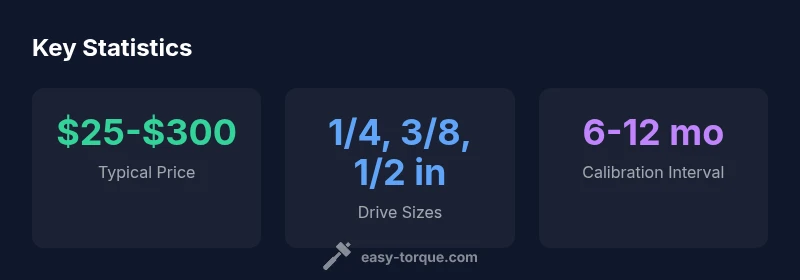
Quality torque wrenches typically range from about $30 to $200, depending on range, build, and features.
Expect to pay more for accuracy and durability.
Can I use a torque wrench for lug nuts?
Torque wrenches are used for lug nuts. Follow the prescribed pattern and torque spec; use a torque-limiting socket if needed.
Yes, but use the right pattern and torque spec.
How do I maintain a torque wrench?
Keep it clean, store in the case, avoid drops, and have it calibrated per the manufacturer schedule.
Store it properly and check calibration as recommended.
“A good torque wrench is a long-term investment in reliability; prioritize accuracy, calibration, and a comfortable grip.”
Top Takeaways
- Define your torque range first.
- Compare drive sizes and features.
- Check calibration policy and warranty.
- Test tools in-store when possible.
- Balance price with quality for reliability.