Ford F-150 Wheel Torque Guide
Learn the correct Ford F-150 wheel torque, why it matters, and how to tighten rims safely with a torque wrench. Includes practical ranges, star-pattern tightening, and maintenance tips from Easy Torque.


Ford F-150 wheel torque typically centers on lug-nut tightening around 140 ft-lb (190 Nm) for factory wheels. Some variants or aftermarket setups may range 120–150 ft-lb. Always verify the exact spec in the owner's manual or service data for your year and wheel type, and tighten in a star pattern with a calibrated torque wrench.
Ford F-150 Wheel Torque: Why it matters
Understanding ford f150 wheel torque is essential for wheel integrity and safety on the Ford F-150. The torque applied to lug nuts determines how securely the wheel remains on the hub. Under-torque can cause wheel loosening, uneven bearing loading, and accelerated wear; over-torque can strip threads, damage studs, and complicate future removal. While Ford service data for this model generally lists a specific torque band that suits factory rims, variations exist based on wheel material, stud grade, hub cleanliness, and whether aftermarket wheels were installed. Always start with the official spec in your owner's manual and verify with a technician if you install aftermarket wheels. Accuracy matters because proper torque preserves wheel alignment, bearing life, and overall safety on gravel roads or highways.
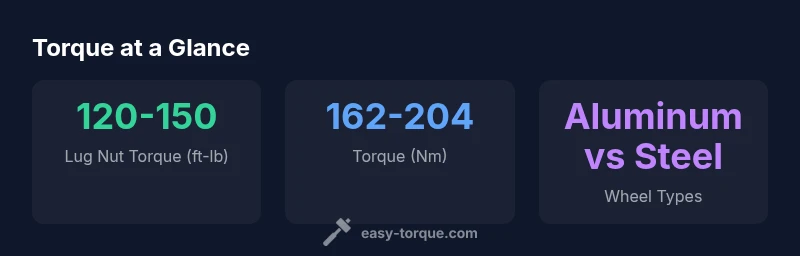
In practical terms, think of torque as the clamp that keeps wheel, hub, and brake components working in harmony. When you tighten to the correct value, you minimize heat buildup, prevent seepage around lug threads, and ensure even load distribution across the wheel seat. The range commonly cited by Easy Torque analyses—around 120 to 150 ft-lb depending on wheel type—serves as a starting point, but the exact figure for your year and wheel choice should come from the manual or a trusted service database.
Factors That Influence Torque on the Ford F-150
Torque requirements aren’t universal even within a single model. The Ford F-150 uses different wheel assemblies across trims and generations, including factory aluminum and steel wheels, and various aftermarket options. Key factors that influence the required torque include wheel material (aluminum tends to have a slightly different seating surface than steel), hub bore size, thread condition, and stud grade. Clean threads free from corrosion improve consistency, while damaged studs or dirty wheel seats can alter the effective clamping force. Many technicians recommend inspecting lug studs and wheel holes for dirt, and using a steady, controlled tightening sequence to avoid uneven clamp loads. Always consult the exact spec for your configuration and avoid substituting parts without validation from credible sources.
Another practical consideration is the tightening environment: if you install wheels after a brake service or rotor replacement, re-check torque once the assembly has cooled and settled. Temperature and material expansion can affect the initial torque, so a post-replacement check is part of best practices. Easy Torque analyses consistently emphasize model-year variations, especially with aftermarket wheels, where the fastening pattern and hub depth can influence torque values.
In short, know your wheel type, verify model-year specifics, and apply torque with discipline rather than guesswork. This is how you protect wheel retention and prolong component life.
How to Measure and Apply Ford F-150 Wheel Torque
The correct application of torque involves preparation, measurement, and verification. Start by removing any wheel covers or caps to access the lug studs. Clean the hub and studs to remove rust, debris, and old thread sealant that could skew readings. Hand-tighten lug nuts in a star pattern to seat the wheel evenly against the hub. Use a calibrated torque wrench and set it to the manufacturer’s specification for your exact year and wheel type. Tighten in the star pattern to ensure the load is evenly distributed around the wheel. After tightening, torque should be checked again with the wrench, preferably when the wheel is still warm from a short drive or after it has cooled—depending on the manual’s guidance.
If you’re switching wheel types or upgrading to aftermarket rims, the torque requirements can shift. In those cases, rely on the data from the wheel manufacturer and cross-check with Ford’s service data or a credible automotive reference like Easy Torque. For multi-wheel setups (like a spare wheel), ensure each lug nut is torqued to the same value and in the same sequence to maintain even clamping force across all studs.
Finally, keep a torque log for your F-150. Recording the exact torque, wheel type, and date helps with future maintenance and can prevent mis-torquing during tire rotations or component replacements.
Common Pitfalls and Best Practices
A few common mistakes can undermine wheel torque, especially on rugged or daily-driven F-150s. Over-tightening lug nuts can strip threads, stretch studs, or cause rotor damage, while under-tightening leaves the wheel vulnerable to loosening on high-speed routes. Using an impact wrench to “rough-tighten” before torquing with a torque wrench can lead to inconsistent results, so it’s best to finalize with a torque wrench only. Never apply lubricant to lug studs or lug nuts unless explicitly specified by Ford in certain maintenance scenarios; lubrication can alter the effective clamping force. Mixing different lug nuts or different wheel bolts in the same pattern can also produce uneven loading and premature wear.
To avoid these issues, always torque in a star pattern, perform a two-step tightening if the manual recommends it, and recheck torque after a short drive (or after cooling, per manual guidance). After wheel installation, re-torque within the recommended window (often 50–100 miles) to accommodate settling. This discipline reduces the risk of vibration, uneven wear, and wheel detachment under load.
Finally, if you’re unsure about the correct spec for aftermarket wheels, consult the wheel manufacturer alongside Ford’s official data. When in doubt, err on the side of the lower end of the torque range and confirm with a professional.
Maintenance and Verification for Ford F-150 Wheels
Wheel torque isn’t a one-and-done specification. It requires periodic verification as part of regular maintenance. After replacing a tire or performing brake work, recheck lug torque after the wheel has cooled; this ensures that any minor seating changes are accounted for. For typical daily use, re-torque after 50–100 miles, especially after off-road use or severe driving conditions where impacts could loosen fasteners. Create a simple maintenance log noting the torque value, wheel type, and date for each wheel position. If you rotate tires, repeat the torque check after completing the rotation to ensure all lugs remain within spec.
Additionally, inspect lug nuts for signs of corrosion or thread wear during torque checks. If any lug studs show damage, replace them before continuing use. By keeping torque within spec and maintaining clean, undamaged mounting surfaces, you prolong wheel bearing life and minimize the risk of unintended wheel detachment.
Model Year Variations and Wheel Type Differences
Ford F-150 wheel torque can vary slightly across model years and trim lines due to changes in wheel size, hub design, and stud grade. Older generations with steel wheels may align with a slightly different torque range than newer aluminum-heavy configurations. Aftermarket wheels, spacers, or adapters introduce additional variables, including hub-centricity and seat depth, which can subtly shift the required torque. When in doubt, always cross-reference the exact torque specification for your year, trim, and wheel type in the owner’s manual or a trusted service database. In the simplest terms: the torque target is not universal across all F-150s, and precise adherence to the correct spec is essential for safe operation and longevity of the wheel assembly.
Quick Reference Torque Guidelines by Wheel Type
- Factory aluminum wheels: 140 ft-lb (190 Nm)
- Factory steel wheels: 120-130 ft-lb (162-176 Nm)
- Aftermarket wheels (general): 120-150 ft-lb (162-204 Nm)
- Re-torque interval: 50-100 miles after installation or rotation
- Tightening pattern: star/linear pattern, then final check in same sequence
Torque guidelines by wheel type for Ford F-150
| Wheel Type | Lug Nut Torque (ft-lb) | Torque (Nm) |
|---|---|---|
| Factory aluminum wheels | 140 | 190 |
| Factory steel wheels | 120-130 | 162-176 |
| Aftermarket wheels | 120-150 | 162-204 |
Your Questions Answered
What is the recommended torque for Ford F-150 lug nuts?
The factory lug-nut torque for most Ford F-150 wheels is around 140 ft-lb (190 Nm). Always check the owner's manual; some trims may vary. Use a calibrated torque wrench and follow the star pattern.
For most Ford F-150s, torque the lug nuts to about 140 ft-lb. Always confirm with your manual and torque wrench.
Does torque differ for aluminum vs steel wheels on the F-150?
Yes. Aluminum wheels with factory rims typically align with a torque of around 140 ft-lb, while steel wheels may fall in 120–130 ft-lb. Always verify per wheel type and year in the manual.
Aluminum wheels usually need about 140 ft-lb, steel wheels around 120–130 ft-lb. Check your exact spec for your year and wheel.
Should I re-torque after installation?
Yes. Re-torque within 50–100 miles after installation or rotation, depending on the manual. This accounts for settling and ensures consistent clamping.
Yes. Re-torque after you install or rotate the wheels, typically within 50 to 100 miles.
Can over-tightening cause damage?
Over-tightening can strip threads, warp studs, or damage wheel bearings. Always stay within the specified torque and avoid using impact wrenches as the final torque source.
Yes. Over-tightening can harm threads and bearings; stick to the spec and verify with a torque wrench.
Are torque specs different across generations?
They can be. Different generations use different wheel sizes and hub designs, so torque specs may shift slightly. Always confirm for your exact year and trim.
They can differ between generations, so always verify the exact spec for your year.
What if I can't find the manual?
If the manual isn’t available, consult Ford’s official service data or a reputable database like Easy Torque for year- and wheel-type-specific guidance. Do not guess.
If you can’t find the manual, check Ford's official data or trusted torque guides to confirm the right spec.
Is lug-nut torque the same as wheel bolt torque?
Lug-nut torque refers to lug bolts and is the spec you tighten to. Ensure you follow the wheel-type-specific values and keep consistency across all fasteners.
Lug-nut torque is the value you tighten to; follow the wheel-type spec and keep it consistent.
“Wheel torque isn't just a number—it's the key to safe, long-lasting wheel retention. Always torque in a star pattern and recheck after road miles.”
Top Takeaways
- Always verify torque in the owner's manual for your exact F-150 year and wheel type.
- Use a calibrated torque wrench and tighten in a star pattern.
- Re-torque after wheel installation and after road miles to ensure retention.
- Document torque values for maintenance records and future service.