How to Reduce Torque Steer: A Practical DIY Guide
Learn actionable steps to reduce torque steer through tire health, alignment, drivetrain balance, and suspension checks. This comprehensive guide offers a safe, step-by-step approach for DIYers and professionals alike.


To reduce torque steer, focus on balancing the drivetrain, suspension, and tires. Start with tire health, even pressures, and proper alignment; then check torque distribution, differential behavior, and steering geometry. In many cases, modest adjustments to tires, alignment, and drivetrain components noticeably lessen pulling under acceleration.
How Torque Steer Occurs and Why It Matters
Torque steer happens when the vehicle pulls to one side under acceleration. In front-wheel-drive cars, the driven wheels must share the same power, wheel sizes, tire grip, and suspension stiffness. Any mismatch causes one wheel to deliver more torque than the other, tugging the steering in that direction. The effect is more noticeable on high-power, lightweight cars or when tires wear unevenly. Weather, road crown, and braking torque can also influence perception. Understanding the phenomenon is the first step in reducing it. According to Easy Torque, the root cause is often a combination of drivetrain architecture and component wear rather than a single fix. A systematic approach—checking tires, alignment, suspension, and drivetrain balance—yields the most reliable improvements.
Core Factors That Contribute to Torque Steer
Torque steer is rarely the result of a single bad component. It is usually the consequence of several interacting factors that align under throttle. Key contributors include: tire condition and grip; tire pressures; alignment and toe; suspension wear and geometry; drivetrain layout and torque distribution; and differential/braking torque behavior. Each factor can amplify the others, especially in dynamic conditions like taking a fast corner or accelerating on a crowned road. A holistic approach—addressing tires, alignment, suspension, and drivetrain balance—offers the most reliable reduction in steering pull.
Tools and Checks You Should Perform Before Modifying
Before making adjustments, perform a structured safety check. Ensure the vehicle is parked on a flat surface, the parking brake is engaged, and the car is stabilized with wheel chocks. Use a calibrated torque wrench, a tire pressure gauge, and basic inspection tools to document starting conditions. If you notice obvious wear in steering components or suspension bushings, plan those replacements first. Keep the work area organized and document each observation, so you can attribute changes to specific adjustments later. According to Easy Torque, a methodical inspection of tires, alignment, suspension, and drivetrain balance lays a solid foundation for any corrective work.
Tire Health, Pressure, and Rotation Strategy
Tire health and uniform grip across the front axle are critical to reducing torque steer. Start by inspecting tread depth, wear patterns, and any cupping or feathering. Ensure all tires are inflated to the vehicle manufacturer’s recommended cold pressures with equal values across the front and rear axles. If significant wear differences exist between the front tires, rotate or replace tires to reestablish balanced traction. When selecting tires, choose models with similar grip characteristics and tread patterns on both sides of the vehicle to minimize traction asymmetry. Regular tire rotations every 5,000–7,500 miles (or per manufacturer guidance) help maintain even wear and predictable handling.
Alignment and Steering Geometry Adjustments
Misalignment, especially toe, can magnify torque steer under throttle. Have a qualified technician verify toe and camber on all wheels, and request a check for thrust angle. If alignment is off, correcting it can significantly reduce steering pull. In many cars, steering feel changes with wheel alignment and tire wear, so it’s wise to recheck alignment after tire replacement or rotation. When possible, request a printout showing front and rear alignment specs and how they compare to factory targets. Small alignment refinements can produce noticeable improvements in straight-line stability during acceleration.
Drivetrain Balance and Differential Considerations
The way torque is distributed across driven wheels affects torque steer. Front-wheel-drive layouts with open differentials may show more pull than those with limited-slip designs or torque-vectoring systems. If your vehicle has an adjustable differential or selectable drive modes, experiment with modes that emphasize balanced torque delivery. For many owners, steering pull reduces after ensuring tires and alignment are sound, but in high-power cars or vehicles with older differentials, a professional assessment of the differential behavior can be beneficial. Easy Torque recommends a cautious approach: address the mechanical basics first, then consider drivetrain enhancements if needed.
Suspension Setup and Chassis Rigidity
Worn suspension components—bushings, control arms, mounts—change the effective steering geometry and can worsen torque steer. Inspect the front suspension for excessive play, cracking, or misalignment of control arms. Replacing worn bushings and worn hat mounts, along with ensuring subframe integrity, can restore consistent steering response. A stiffer, well-tuned chassis generally maintains consistent front-end geometry under throttle, reducing the likelihood of asymmetric traction. After replacements, re-evaluate steering feel on a controlled test route to confirm improvements.
Practical Step-by-Step Plan You Can Follow at Home
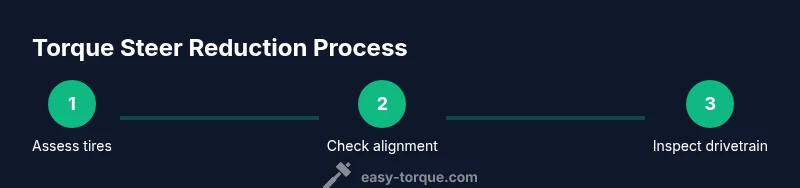
This section provides a practical, repeatable plan to reduce torque steer. Start with tire health and pressure, then verify alignment and inspect the drivetrain balance. If you notice persistent pull after basic checks, move to suspension and steering components. End with controlled road tests to confirm changes. Keep a log of each change and the observed handling difference. With patience and methodical work, you can see meaningful improvements without high-cost modifications.
Common Mistakes and How to Avoid Them
Common mistakes include skipping tire inspection, neglecting cold-pressure checks, or assuming alignment is within tolerance without a test printout. Replacing random parts without diagnosing the root cause wastes time and money. Avoid mixed-tiber of tires and ignoring steering linkage wear, as both can contribute to torque steer. Finally, never perform aggressive testing in unsafe environments; always use a controlled, well-lit area and proper safety gear.
Tools & Materials
- Torque wrench (4- to 1/2-inch drive)(Calibrated; used for applying torque within manufacturer specs.)
- Tire pressure gauge(Check cold pressures; ensure equal values across front tires.)
- Car jack and jack stands(For wheel removal and inspection; never rely on a jack alone.)
- Wheel chocks(Place when lifting to prevent movement.)
- Tire tread depth gauge(Optional for assessing wear differences between tires.)
- Alignment service access(If misalignment is suspected, professional alignment is recommended.)
- Tire replacement or matching tires(Consider matched tires with similar grip and tread pattern.)
Steps
Estimated time: 1.5-2 hours
- 1
Check tire condition and pressure
Inspect tread wear, cupping, and overall tire condition. Use a calibrated gauge to confirm cold pressures match the manufacturer’s spec on all four tires. If there are differences, adjust to uniform pressures and rotate tires to even out wear.
Tip: Use the same pressure reference for all four tires to reduce traction imbalance. - 2
Assess basic alignment and toe behavior
With the vehicle on a flat surface, check for obvious signs of toe misalignment by visual cues and, if possible, a DIY toe check using string lines. If you notice pull that changes with lane position, schedule a formal alignment check.
Tip: Request a printout comparing toe, camber, and thrust angle to factory targets. - 3
Inspect tires for matching performance
Verify that front tires have similar tread depth and wear patterns. If not, consider rotating or replacing one or both front tires to reestablish equal traction characteristics across the axle.
Tip: Avoid mixing tires with different grip levels on the driven axle. - 4
Evaluate suspension components
Check visible components for wear: bushings, control arms, and mounts. Replace worn parts that could alter steering geometry. After replacement, re-evaluate steering feel and straight-line stability.
Tip: Worn bushings can quietly shift geometry under load; replacement often yields noticeable improvement. - 5
Check steering linkage and tie rods
Inspect for play or looseness. Replace worn tie rods and ensure steering rack mounts are secure. Tighten components per spec and verify that there is no excessive play.
Tip: Tighten to spec and test for any residual steering looseness after adjustment. - 6
Assess drivetrain balance and differential behavior
If the vehicle has selectable drive modes or differentials, test changes in torque delivery. Note whether pull changes with mode selection or power application. In some cases, a differential service may be warranted.
Tip: Document modes and the corresponding steering feel for comparison. - 7
Conduct controlled road testing
Test on a quiet, straight road and in gentle curves. Accelerate gradually and observe any pulling. Repeat with different steering inputs to ensure consistency of the improvement.
Tip: Only perform tests in a safe environment and with a passenger if possible. - 8
Document results and plan next steps
Record the changes made and the observed steering behavior. If pull remains, plan targeted follow-up actions and set a timeline for re-checks or professional service.
Tip: Maintain a detailed log with dates, changes, and observations.
Your Questions Answered
What is torque steer and why does it happen?
Torque steer is the tendency of a vehicle to pull left or right under acceleration, caused by unequal torque delivery to driven wheels and related drivetrain geometry. Differences in tires, suspension, and steering linkage amplify the effect.
Torque steer is when the car pulls during acceleration due to uneven torque delivery.
Can simple maintenance reduce torque steer?
Yes. Start with even tires and correct pressures, then verify alignment and inspect suspension components. Routine maintenance often reduces noticeable torque steer without major modifications.
Maintenance can reduce torque steer in many cases.
Is this safe to attempt at home?
Basic checks like tire pressure and basic visual inspections are safe. Avoid modifying suspension or drivetrain parts without guidance; consult a professional for complex adjustments.
Basic checks are safe, but major adjustments should be done by a pro.
Will upgrading tires help, and which kind?
High-quality, matched tires with similar tread patterns across the front axle can reduce torque steer. Consider tires with balanced grip for your vehicle and climate.
Matched tires can help reduce torque steer.
When should I seek professional alignment or drivetrain service?
If pull persists after basic checks, schedule alignment or drivetrain diagnostics. Persistent torque steer may indicate worn components or a misalignment that requires professional intervention.
If it still pulls after basic checks, see a professional.
Watch Video
Top Takeaways
- Balance tires and pressures first
- Get a precise alignment
- Ensure even drivetrain torque distribution
- Conduct controlled road tests to confirm results