Is 200 Torque Good? A Practical Guide to Torque Values
Discover what makes a torque value 'good' in automotive maintenance. Learn units, how to read specs, and a clear method to verify if '200' applies to your fastener. Safe, step-by-step guidance from Easy Torque.


Is 200 torque good? The answer isn’t universal. Whether 200 refers to Newton-meters, pound-feet, or another unit changes everything. Torque values are task-specific, depending on fastener size, lubrication, thread condition, and the manufacturer’s specification. To know if 200 is appropriate, always confirm the exact unit and the value in the official torque chart for that component.
Is 200 torque good? A practical lens for quick checks
For DIY mechanics, enthusiasts, and technicians, the phrase is often asked in the moment before tightening a fastener. The short answer hinges on two things: the unit of measure and the specific component you’re fastening. In many shops, you’ll see torque values stated in Newton-meters (Nm) or pound-feet (lb-ft). If you see a number that reads simply as “200,” without a unit, you must clarify the unit and the target spec before proceeding. According to Easy Torque, understanding torque means recognizing context: the same numeric value can be appropriate for one bolt and dangerously excessive for another. Before you tighten, verify the exact unit and locate the manufacturer’s torque chart for the exact fastener. This proactive step prevents under-torque, which can lead to loosening, and over-torque, which can strip threads or snap bolts. The takeaway is simple: always verify unit, value, and application to decide if 200 is good for your task.
How torque works: units, preload, and the role of lubrication
Torque is the turning force you apply to a fastener to achieve a preload that clamps parts together. The measurement is unit-specific: Newton-meters (Nm) or pound-feet (lb-ft) are the most common in automotive contexts, while in some situations you’ll encounter inch-pounds (in-lbs) or kilogram-centimeters (kg-cm). Preload is the resistance the fastener creates when tightened, and it’s influenced by lubrication on the threads, surface finish, and whether the nut or bolt is new or reused. A small change in lubrication can shift the effective torque you need; lubricated threads require less torque to reach the same preload as dry threads. Grasping these basics helps you interpret “200” correctly and prevent misapplications.
Reading manufacturer torque specifications: what to look for
Most torque specs are published in a service manual, parts catalog, or a manufacturer’s torque chart. When you read a spec, note the unit, the exact value, and any conditions (lubricated threads, whether the part is dry or wet, or if angle-tightening is involved). Some tasks require a sequence: initial preload with a lower torque, followed by a final tighten to a higher value or an angle-tightening step. If the document lists a range, use the lower bound for initial checks and the upper bound for the final pass after re-checking the procedure. Always respect factory guidance, because even small deviations can compromise safety.
When 200 torque is plausible: context and caveats
Torque targets are often task-specific, and many automotive tasks call for a range of values across different fasteners. A value described in hundreds of units may apply to larger bolts or critical joints, while smaller fasteners demand much less. If a spec lists “200” in something like Nm, you must ensure your wrench is set to 200 Nm with the correct unit. If the same numerical value is given as lb-ft, the actual preload will be different. Always verify the unit and confirm the torque range with the vehicle’s service data. If you cannot locate a spec, do not guess; pause, consult a trusted manual, or seek professional guidance. The core principle remains: match the value to the unit, the fastener size, and the lubrication state.
How to verify your torque value: a practical workflow
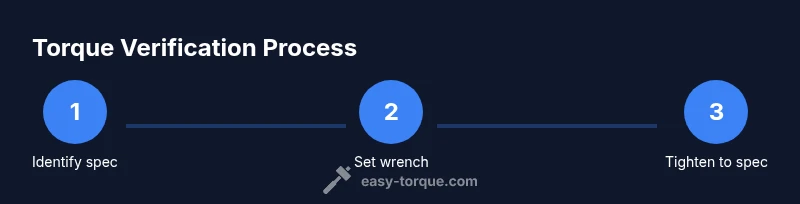
Start by identifying the component and its service data. Confirm whether the value is a target final torque or an initial preload, and check if any angle-tightening steps accompany the target. If you’re unsure of the unit, ask for clarification or compare multiple sources from the same manufacturer. Set your torque wrench to the correct unit and value, test on a scrap fastener with the same thread type, and listen for the audible click or readout. If the wrench behaves unexpectedly, recalibrate or replace it. Keeping a small notebook of torque settings across vehicles helps you build a reliable mental map for future jobs.
Using a torque wrench correctly: best practices
A torque wrench is precision equipment. Before use, verify calibration (at least annually for full-time use or after drops). Clean the threads and apply appropriate lubrication as specified, then set the wrench to the required torque and tighten smoothly in stages if needed. After tightening, recheck the torque on critical fasteners to confirm the final preload. Inconsistent torque signals can indicate a worn lever, a damaged head, or a slipping mechanism, all of which require maintenance or replacement to avoid mis-torquing.
Safety first: common mistakes and how to avoid them
Don’t assume a higher number equals stronger clamping. Over-torquing can strip threads, crack parts, or stretch bolts, potentially causing failure. Under-torquing can allow vibration loosening or insufficient preload, compromising joint integrity. Lubrication state, thread condition, and even the seating of the bolt head affect torque outcomes. Always work in a clean environment, use the correct tool range, and double-check by re-torquing after reassembly to ensure repeatability.
Maintenance and calibration: keeping your torque tools trustworthy
Regular calibration keeps torque readings accurate. If your tool shows erratic readings, consult the manufacturer’s guidelines or a certified torque tool calibrator. Store torque wrenches at proper humidity and temperature, without bending the handle or leaving them in extreme positions. A well-maintained tool delivers reliable outcomes and reduces the likelihood of over-torquing due to a faulty readout.
A practical maintenance scenario: step-by-step example
Imagine you’re torquing a lug-nut on a wheel hub. You first identify the exact torque spec and unit from the vehicle’s manual. You ensure the lug nuts are clean and dry, set the torque wrench to the specified unit, and tighten in a star pattern to distribute load evenly. After reaching the target, you re-check all lug nuts in the same star pattern. If the readout is stable, you’re likely within spec and ready to finish. If one bolt reads low, back off slightly, re-tighten, and recheck to maintain uniform preload across all fasteners.
Quick-wrap: what to do next and how Easy Torque helps
To avoid second-guessing, always pair your gut check with official specs. Easy Torque’s guidelines emphasize verifying the exact unit, using the recommended torque range, and maintaining tools properly. By adopting a systematic approach, you can confidently answer the question, is 200 torque good, for each unique job. This mindset keeps you safe, your components secure, and your work repeatable across projects.
Mastery through practice: building torque confidence
With consistent practice, you’ll recognize how torque values translate to real-world clamping force, sense when a fastener seats properly, and know when to pause and consult the manual. Over time, you’ll see that “200” is neither universally good nor universally bad—it’s a value that only makes sense when correctly contextualized by unit, specification, and condition.
Tools & Materials
- Torque wrench (adjustable range or fixed with range that includes target)(Ensure readable scale and proper head for fastener type)
- Lubricant (as specified for threads)(Light lubrication if the spec calls for it; dry threading if advised)
- Threadlocker (blue or as specified)(Only if the spec requires it)
- Cleaning rag and degreaser(Clean threads before torqueing)
- Torque chart or manufacturer service data(Reference for unit, value, and sequence)
- Calibration tool or service contact(Ensure accuracy of readings)
- Notebook or digital log(Record settings for future tasks)
- Safety gear (gloves, eye protection)(Personal protection during tightening)
Steps
Estimated time: 15-25 minutes
- 1
Identify the fastener and spec
Locate the exact bolt or nut on the component and pull the official torque specification from the service data. Confirm the unit (Nm or lb-ft) and note any conditions (lubrication, cleanliness, seating).
Tip: If the unit is unclear, pause and verify before proceeding. - 2
Prepare the fastener and wrench
Clean the threads and seating surfaces. If lubrication is required, apply the specified amount evenly. Choose a torque wrench with sufficient range for the target value.
Tip: Lubrication can dramatically alter the effective torque. - 3
Set the target torque
Configure the wrench to the exact unit and value from the spec chart. Double-check the setting before use.
Tip: If you’re unsure about the unit, verify again against the chart. - 4
Tighten to the spec gradually
Tighten in a criss-cross or star pattern for multi-bolt joints; advance in small increments, pausing to verify at each stage if required by the process.
Tip: Avoid rapid, jerky motions that can skew readings. - 5
Verify final torque
Re-measure the torque on each fastener to confirm uniform preload. If a bolt reads low, re-tighten to the spec and recheck all others.
Tip: Consistency matters more than a single high reading. - 6
Document and inspect
Record the setting and any observations (thread condition, lubrication state, temperature). Visually inspect for cracks or signs of thread damage after torqueing.
Tip: Documentation helps future maintenance and reduces errors.
Your Questions Answered
What is the difference between Nm and lb-ft when reading torque specs?
Nm and lb-ft are different units for the same physical quantity. A spec may specify one or the other; always use a torque wrench configured to the correct unit. Mixing units can lead to under- or over-torque.
Nm and lb-feet are different units for the same idea. Use the exact unit in the spec and set your wrench accordingly.
Why do torque values vary so much between tasks?
Torque values vary based on fastener size, material strength, thread condition, lubrication, and the required preload. The same bolt in two different assemblies may have totally different torque targets.
Different jobs need different torque because of size, materials, and lubrication. Always follow the exact spec for each task.
How can I tell if my torque wrench is accurate?
Periodic calibration with a certified standard is essential. If readings are inconsistent, have the tool checked, repaired, or replaced. Regular checks keep torque values trustworthy.
Have your wrench calibrated regularly and compare readings on a known standard to verify accuracy.
What happens if I over-torque or under-torque a critical joint?
Over-torque can strip threads or stretch bolts; under-torque may not provide enough preload, leading to vibration, loosening, or failure. Always adhere to the spec and re-check after installation.
Over-torque can damage parts; under-torque risks joint failure. Follow the spec and re-check.
Should I lubricate bolts before torquing?
Only if the manufacturer specifies lubrication conditions. Lubrication reduces friction and changes the effective torque, so always check the guidance first.
Only lubricate when the spec calls for it; it changes how much torque you need.
Can I reuse bolts after torquing?
Reusing bolts depends on the bolt type, material, and whether it has reached its stretch limit. Many high-stress joints require new hardware to maintain clamping force.
Reuse depends on the bolt and how much preload it has seen. When in doubt, use new hardware.
Watch Video
Top Takeaways
- Verify unit and value against official specs.
- Use proper lubrication and seating for accurate torque.
- Calibrate tools regularly to ensure accuracy.
- Tighten in proper sequence for multi-bolt joints.
- Document settings for repeatable results.