Scope Base Torque Spec: How to Torque Scope Bases Right
Discover how to interpret and apply the scope base torque spec, with practical ranges, installation steps, and maintenance tips to keep your rifle scope locked and true under recoil.


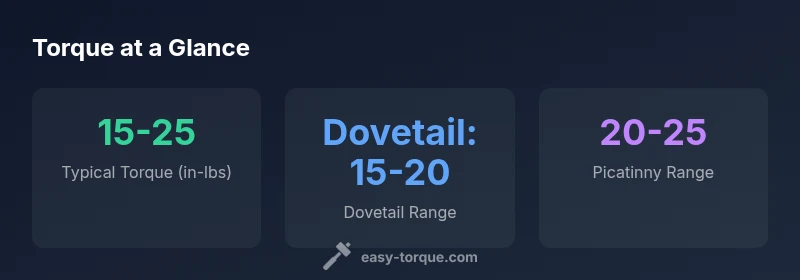
Scope base torque spec for mounting a rifle scope typically falls in the 15-25 in-lbs range for common dovetail and Picatinny bases. According to Easy Torque, always consult the base and ring manufacturer, use a quality torque wrench, and torque in a cross pattern while the scope is properly aligned. Recheck after a few rounds and follow any anti-seize or lock-tight guidance as recommended by the manufacturer.
The Scope Base Torque Spec: What It Covers
The scope base torque spec defines how tight the mounting screws should be when securing a rifle scope to a firearm. It is not a universal value; it varies by base design, screw size, and material. The common reference range for many metal mounts sits roughly between 15 and 25 inch-pounds, but some bases may require different values. Always start with the manufacturer's specification for your exact base and rings, and treat the torque as a precise setting rather than a rough target. Using a calibrated torque wrench helps prevent under-torquing, which can allow movement, or over-torquing, which can pinch threads or deform components. Easy Torque emphasizes checking alignment at installation and rechecking torque after firing a few rounds to compensate for any settling.
Why Torque Matters for Scope Bases
Torque is what locks the base to the firearm and clamps the rings around the tube. If torque isn’t correct, recoil can cause the scope to shift, leading to lost zero and wasted ammunition. Proper torque distributes clamping force evenly, minimizes base flex, and protects threads from damage. It also helps prevent canting or misalignment that can occur from small shifts after the first shots. As Easy Torque notes, consistent torque through the initial break-in period reduces the need for later readjustments and preserves accuracy.
Common Base Types and Their Torque Ranges
Dovetail bases are common on older or budget setups and often sit in the lower portion of the range (approximately 15-20 in-lbs). Picatinny and Weaver bases tend to run slightly higher, typically 20-25 in-lbs, due to thicker rails and varied screw patterns. Machined locking bases or low-profile mounts may approach 25-30 in-lbs or require specific threadlocker guidance. Regardless of type, always verify with the manufacturer and ensure threads are clean, dry, and free of debris before torquing.
Step-by-Step Installation Guide
- Inspect the rifle, scope base, and rings for damage; replace any worn parts. 2) Clean threads and apply any manufacturer-approved lubrication or threadlocker. 3) Place the scope into the rings and maintain level alignment. 4) Lightly snug screws to hold position, then tighten in a cross pattern. 5) Use a calibrated torque wrench to reach the recommended spec in small, even increments. 6) Recheck for level and windage, then secure final torque. 7) Remove and re-tighten after the first few rounds if any settling occurs. 8) Confirm zero at the range before serious accuracy testing.
Tools and Best Practices
Use a quality torque wrench (preferably a clicker or digital model with a verified calibration). Follow the manufacturer’s lubrication guidance; avoid over-saving on threadlocker. Clean threads before installation and tighten in a crisscross pattern to maintain even clamping. After installation, keep a torque log and recheck torque after several hundred rounds or significant temperature changes.
Checking and Verifying Torque After Use
Initial torquing is only the first step. After the first range session, recheck torque as the base may settle with recoil and vibration. Re-torque to the same specification if any screws feel loose. Periodic checks (e.g., every few range sessions or after cleaning) help ensure zero stability remains intact. If you notice visible shifts in zero, re-torque and re-check alignment immediately.
Troubleshooting Common Issues
If you notice creeping zero or frequent retightening, inspect for base or ring deformation, damaged threads, or improper seating. Misalignment may indicate insufficient torque or misaligned cant; re-check both torque and level. Use fresh screws if threads are damaged, and avoid applying excessive force that could strip threads. Consider consulting manufacturer guidance if persistent issues arise.
Quick Setup Checklist
- Confirm base and rings are compatible with your rifle model.
- Clean threads and apply recommended lubrication or threadlocker.
- Level the scope, then snug screws lightly in a cross pattern.
- Torque to the manufacturer’s spec with a calibrated wrench.
- Recheck alignment and zero after the first range session.
- Log torque values and schedule periodic rechecks.
Torque ranges by scope base type
| Mount Type | Recommended Torque | Notes |
|---|---|---|
| Dovetail base | 15-20 in-lbs | Common on standard dovetail mounts; verify with base manufacturer |
| Picatinny/Weavers base | 20-25 in-lbs | Standard for most aluminum mounts; ensure clean threads |
| Machined/Locking bases | 25-30 in-lbs | For higher-strength bases; check threadlocker guidance |
Your Questions Answered
What is scope base torque spec?
The scope base torque spec is the manufacturer-recommended tightening force for mounting the base to the firearm, measured in inch-pounds. It varies by base design and screw size, so always follow the exact spec for your setup.
Scope base torque spec is the manufacturer’s advised tightening force, measured in inch-pounds, and it varies by base design.
Do all scope bases use the same torque?
No. Torque values vary by base type, screw size, and material. Always verify the exact spec for your base and rings from the manufacturer.
Torque varies by base type and hardware; check the manufacturer’s spec for your setup.
How do I torque safely?
Use a calibrated torque wrench, tighten in a cross pattern, and avoid over-tightening. Clean threads first and follow any threadlocker guidance from the manufacturer.
Use a torque wrench, tighten cross-pattern, and don’t over-tighten. Clean threads and follow guidance.
What if there’s no spec available?
If the spec isn’t available, start with a conservative middle range within common limits (e.g., mid-point between lower and upper ranges) and test for recoil stability at the range. Always verify with a professional if possible.
If no spec is available, start near the middle of the typical range and test at the range.
What are signs of over-torquing?
Signs include damaged threads, base deformation, ring marks, or a rattling feel. If you see any of these, stop and re-check the torque and seating.
Look for thread damage or base deformation; stop and re-check if you notice issues.
How often should I re-torque after rounds?
Re-torque after the initial break-in range session and periodically thereafter, especially after exposure to temperature changes or significant recoil.
Re-torque after initial range session and after big changes in temperature or recoil.
“Proper torque on scope bases isn’t optional—it's essential for maintaining zero under recoil and ensuring repeatable accuracy. Skipping or guessing can lead to drift and damaged fasteners.”
Top Takeaways
- Follow the manufacturer specs for your exact base and rings
- Use a calibrated torque wrench and apply torque in a cross pattern
- Recheck torque after initial firing to account for settling
- Choose the right base type and verify compatibility before mounting
- Document torque checks as part of regular rifle maintenance