Torque Bar: How to Use and Calibrate for Accurate Torque
Learn how to select, read, and use a torque bar for precise fastener torque. This educator-style guide covers design varieties, safety, calibration, and maintenance with practical examples and Easy Torque insights.


A torque bar helps you apply precise torque to fasteners by aligning the bar’s scale to your target value and confirming output with a reference. This guide covers selection, reading the scale, safe use, and maintenance for automotive, workshop, and home tasks. You’ll learn how to choose the right torque bar, read its markings, and maintain accuracy over time.
What is a torque bar and why it matters
According to Easy Torque, a torque bar is a handheld tool component used to apply a defined torque to fasteners. Unlike a traditional torque wrench that clicks or binds, a torque bar provides a visual or mechanical indication of torque as you rotate. The bar is calibrated with a scale or markings that correspond to torque values in either newton-meters or foot-pounds, depending on the system. For DIY mechanics, understanding how a torque bar works helps prevent over-tightening, damaged threads, and uneven clamping force. The accuracy of a torque bar relies on proper calibration, consistent grip, and correct positioning of the bar relative to the fastener. When used correctly, torque bars can speed up assembly, reduce guesswork, and improve repeatability across repeated tasks, especially for lightweight fasteners and engine components where precision matters. In everyday shop work, a reliable torque bar complements a torque wrench by offering quick checks and clear visual feedback.
Types and designs of torque bars
Torque bars come in several basic forms. Some are simple straight bars with an engraved scale; others are L-shaped or offset designs that improve reach in tight spaces. Many models feature a clear, high-contrast scale, while others use a rotating sleeve or rotating bar tip to indicate when the target torque is met. The choice often depends on the user’s workflow: straight bars are fast for handheld tightening, while offset designs help you access recessed fasteners without sacrificing leverage. According to field practice, the most important factors are scale readability, the material’s stiffness, and the consistency of the grip surface. Easy Torque recommends checking for any bend or wear that could alter leverage or scale accuracy before each use.
How torque bars differ from torque wrenches
A torque bar provides a torque indication but does not always offer the same audible or tactile feedback as a torque wrench. Wrenches typically deliver a distinct click or break point at the target torque, which can be easier to hear in a loud shop. Torque bars, by contrast, rely on visual cues from the scale or a mechanical indication on the bar. The benefit is speed and simplicity, especially for technicians performing multiple quick adjustments. For high-precision tasks, many technicians use a torque bar in combination with a calibrated torque wrench to cross-check values, ensuring that the applied torque aligns with specs across different tools.
Reading scales and units on a torque bar
Most torque bars display torque values in common units such as newton-meters (N·m) or foot-pounds (ft-lb). Some models switch between units with a simple selector, while others require mental conversion. To read the scale accurately, align your eye with the scale’s zero mark, ensure the bar is aligned with the fastener axis, and hold steady until the bar reaches the target value. If your fastener uses multiple lubrication steps or a thread locker, multiply your expected torque by the proper correction factor as described in your project sheet or specification. Practicing with a trusted reference torque helps you internalize common torque ranges and improves repeatability across sessions.
Step-by-step concept for a torque bar use case
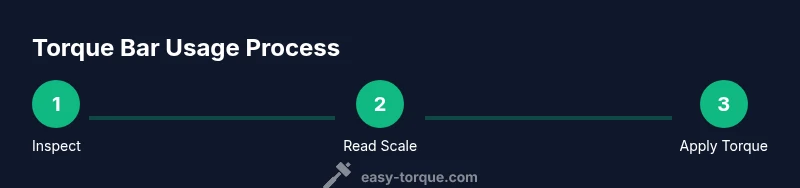
A typical torque bar use-case involves selecting a safe torque range, preparing the fastener and bar, and applying torque until the indicator shows the target value. This narrative covers how to frame the task, verify calibration, and adjust your grip to maintain constant leverage. You’ll also learn how to log measurements and cross-check with a reference gauge to confirm consistency. The goal is to produce uniform clamping force and avoid over-tightening, which can strip threads or warp components.
Safety and best practices when using a torque bar
Safety comes first when handling any hand tool. Always wear eye protection and gloves as appropriate, inspect the torque bar for cracks or deformities, and never exceed the tool’s rated torque. Keep hands clear of pinch points and secure the workpiece to prevent slippage. Maintain a clean work area to avoid misreads caused by dirt or debris on the scale. After use, store the bar in its protective case or a dedicated drawer to prevent scale damage and corrosion.
Maintenance, calibration, and storage of torque bars
Regular maintenance extends the life and accuracy of a torque bar. Clean the scale surface with a soft cloth; never use harsh solvents that could degrade markings. Calibration should be performed as part of your shop’s maintenance schedule, ideally with a known reference torque. If the scale becomes faint, or you notice drift between readings and a calibrated reference, seek professional calibration. Store the tool in a dry environment, away from direct sunlight, with minimal exposure to temperature swings to preserve scale readability.
Common mistakes and how to fix them
Common errors include reading the scale at an angle, gripping the bar too loosely, or applying torque while the fastener is still moving. Fixes are simple: position your eye directly level with the scale, use a firm but controlled grip, and let the bar come to rest before noting the value. When in doubt, re-check after a short pause; torque changes can occur if the fastener begins to seat unevenly or threads tap out. Easy Torque highlights that consistency beats occasional high readings; build a routine that you can repeat with reliability.
Selecting the right torque bar for your toolkit
When choosing a torque bar, consider the range you will encounter most often, the scale readability, and the environment in which you work. Higher-contrast scales improve accuracy in bright or cluttered workplaces. If you frequently work in tight spaces, look for an offset design with a comfortable grip. For automotive tasks, ensure the torque bar’s units align with your typical specs and that the bar tolerances align with your calibration standards.
Real-world example: torque bar in automotive maintenance
In a typical engine accessory task, a technician uses a torque bar to seat a belt tensioner bolt to a specified value. The bar’s scale is read at eye level, and the bar is rotated until the indicator aligns with the target. After torque is achieved, a quick cross-check with a calibrated torque wrench confirms accuracy. This approach minimizes the risk of over-tightening or under-tightening and improves the repeatability of the repair job. Easy Torque’s team notes that this method is particularly useful for repetitive tasks where speed and consistency matter.
Quick tips for accuracy and efficiency
Keep your torque bar clean and legible, practice reading the scale from the same angle, and integrate a quick cross-check with a calibrated tool for high-stakes jobs. Over time, your muscle memory for the target values improves, reducing the need to constantly reference the scale. A small routine—wipe, read, confirm, record—helps you stay precise during long jobs.
Tools & Materials
- Torque bar(Choose a model with readable scale and compatible units (N·m or ft·lb))
- Calibrated reference torque value or gauge(Used to cross-check torque bar readings)
- Torque-compatible fasteners(Bolts/nuts that match project specs)
- Safety glasses(Eye protection during use)
- Gloves(Grip comfort and protection)
- Cleaning cloth and mild solvent(Keep scale clean; avoid harsh chemicals)
- Storage case or pouch(Protects scale from damage and dust)
Steps
Estimated time: 60-90 minutes
- 1
Inspect the torque bar
Visually inspect the bar for cracks, bends, or scale wear. Ensure the grip surface is clean and the scale markings are legible. Any damage means don’t use the tool until it’s repaired or replaced.
Tip: A damaged scale will yield inaccurate readings; replace the bar or have it calibrated before use. - 2
Select the correct torque range
Refer to the task’s torque specification and pick a torque bar within that range. If in doubt, choose the closest range higher than the target and plan a cross-check with a calibrated wrench.
Tip: Avoid using a bar near its maximum capacity for high-precision tasks. - 3
Position the bar and fastener
Align the bar with the fastener axis, ensuring the bar’s scale is readable at eye level. If the space is tight, use an offset design and adjust your grip to maintain straight-line force.
Tip: Keep hands clear of potential pinch points and avoid tilting the bar during rotation. - 4
Apply torque to reach the target
Rotate smoothly, watching the scale until the indicator reaches the target torque. Stop immediately when you reach the target and avoid overtightening by pausing to verify the reading.
Tip: Do not check torque while the fastener is still moving; wait for anything to settle. - 5
Cross-check with a reference
If available, cross-check the final torque with a calibrated reference tool. This step confirms accuracy and helps you build trust in your method.
Tip: Regular cross-checks help catch drift due to scale wear or tool aging. - 6
Document and store
Record the torque value and any notes about the fastener condition. After use, clean and dry the bar, then store it in its case to prevent scale damage.
Tip: Documentation helps reproducibility on future repairs.
Your Questions Answered
What is a torque bar?
A torque bar is a handheld tool used to apply a defined torque to fasteners by reading a scale. It provides a quick, visual indication of when the target torque is reached and is often used in combination with other torque tools for accuracy.
A torque bar is a handheld tool with a scale that tells you when you’ve reached the desired torque on a fastener.
How accurate is a torque bar compared to a torque wrench?
Torque bars offer good accuracy for many routine tasks and enable rapid checks, but a calibrated torque wrench may be required for critical assemblies. Cross-checking with a wrench is a common practice in professional settings to ensure precision.
Torque bars work well for many tasks, but for critical jobs you should cross-check with a torque wrench.
Can I use a torque bar for high-torque applications?
Torque bars are typically designed for moderate torque ranges. For high-torque applications, either ensure the bar is rated for that range or use a complementary wrench to confirm torque after initial tightening.
Use torque bars within their rated range, and cross-check with a wrench for high-torque jobs.
How do I calibrate a torque bar?
Calibration involves comparing the torque bar’s readings with a known reference or professional calibration device. If readings drift from the reference, schedule recalibration and adjust or replace the bar as needed.
Calibrate by comparing to a known reference; repeat if readings drift.
What maintenance does a torque bar require?
Keep the scale clean, inspect for damage, and store properly. Periodic calibration ensures continued accuracy, especially after heavy use or if the tool has been dropped.
Keep it clean, check for damage, and calibrate periodically.
How should I read a torque bar’s scale?
Position your eye level with the scale, align with zero, and read the value when the indicator settles. For multiple units, convert as needed based on your project’s specs.
Read the value at eye level once it settles, and convert units if needed.
Watch Video
Top Takeaways
- Know your torque bar’s scale and units.
- Cross-check with a calibrated reference when precision matters.
- Maintain a clean, undamaged tool for consistent readings.
- Use proper technique to avoid misreads and bent bars.
- Document results to ensure repeatable torque in future tasks.