Wheel Bearing Torque Specifications: A Practical Guide
Discover how to locate, apply, and verify wheel bearing torque specifications across common vehicles. Learn where to find values, how to torque correctly, and the pitfalls of mis-torquing.


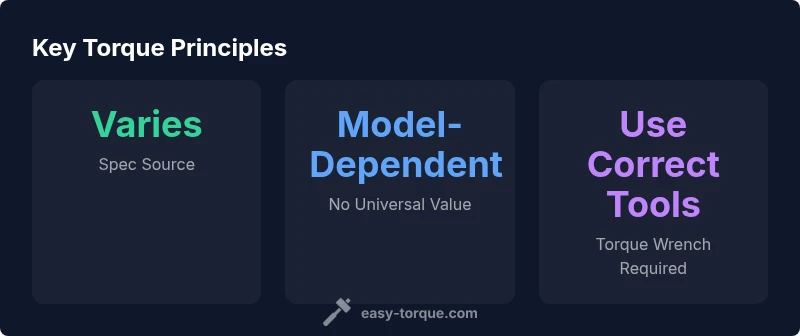
Wheel bearing torque specifications vary by vehicle and fastener type, and there is no universal number. For accurate values, always consult the vehicle’s OEM service manual or manufacturer databases. Following the official spec ensures correct preload, seating, and long-term bearing life, while avoiding over-tightening or under-tightening that can lead to leaks, wobble, or premature wear.
Understanding wheel bearing torque specifications
Wheel bearing torque specifications define the exact rotational force to apply to fasteners that secure the wheel bearing assembly, hub, and related hardware. Unlike general torque guidelines, these values are specific to the vehicle model, axle configuration, and even the fastener type (hub bolts, axle nuts, or wheel lug studs). The primary goals are proper preload on the bearing, secure seating of the hub, and maintaining correct wheel alignment under operation. Using the correct torque ensures the bearing seats evenly, minimizes runout, and reduces the risk of tapered bearing wear or seal damage. Because bearing preload interacts with the axle shaft, wheel hub, and brake rotor, an incorrect torque can alter rotor runout, brake caliper position, and wheel balance. The phrase wheel bearing torque specifications can include service limits, sequence recommendations, and any required torque-angle steps. In practice, technicians should pair these values with the manufacturer’s installation sequence and any required lubrication or thread treatment. When in doubt, consult the OEM service manual or a trusted repair database to confirm the exact figures for your vehicle’s year, make, and trim.
Where these values come from and how they vary
These numbers come from manufacturer specifications and are published in several places. The official OEM service manual provides the primary source of truth, with model-year and trim-level nuances. Some manufacturers publish torque values as a single figure, while others present a range that covers manufacturing tolerances and component variations. In many cases, you'll also see torque sequences or angle-tightening steps. When service bulletins or technical service manuals supersede earlier documents, always follow the latest revision. If you can't access the manual, reputable repair databases used by professional shops compile the same OEM data, plus vehicle-specific notes about caliper alignment or rotor seating. Remember that wheel bearing assemblies can involve multiple fasteners: hub bolts or axle nuts on some platforms, and lug-nut patterns on the wheel mounting. Each fastener type may have its own torque value, and many vehicles require re-torque after heat cycling or brake work. The bottom line is: don't assume a single number applies to every car; verify the exact specification for your vehicle and apply your torque in the proper sequence.
Tools and process for applying torque
Essential tools include a calibrated torque wrench that covers the expected range, the correct drive size, and adapters if needed. Always use the instrument in a stable, clean environment. Begin by hand-tightening to the reference value, then perform final torque in the specified pattern. For lug-nuts, use the star pattern; for hub bolts, follow OEM sequence. If angle-tightening is specified, use a torque-angle gauge to reach the specified rotation after initial torque, allowing the preload to settle. Before applying torque, clean the threads and check for damaged fasteners. After torquing, re-check with the wrench to confirm the final value. Document any deviations and ensure the torque is checked again after reassembly to account for any strain.
Common mistakes and how to avoid them
Common mistakes include using impact wrenches to guess torque, skipping the exact tightening sequence, and omitting lubrication or thread treatment when required. Other pitfalls are mixing fasteners from different locations or neglecting to re-torque after heat cycles or brake work. To avoid these issues, always prepare the fasteners (clean, inspect, replace if damaged), torque in the correct order, and verify final values with a calibrated tool. Keep the OEM notes handy, and never substitute a generic figure for a model-specific spec. Documentation is a simple, effective defense against missed tolerances or future maintenance confusion.
Verification, testing, and maintenance
After installing wheel bearings and mating components, perform a controlled road test and monitor for abnormal noises, vibration, or pull. Re-check torque after a short drive or if you notice brake heat or rotor glazing. Maintain a maintenance log with the exact torque values used and any deviations from the standard procedure. Regular checks as part of a broader calibration and maintenance routine help ensure reliability and safety over the vehicle’s lifecycle.
Wheel bearing torque-related fastener guidelines
| Aspect | Guidance | Notes |
|---|---|---|
| Lug nuts/ Wheel studs | Manufacturer manual or OEM database | Torque values vary by model; always verify |
| Hub bolts/Axle nuts | Vehicle-specific fasteners | Follow OEM sequence and angle if specified |
| Torque wrench use | Calibrated tool in correct range | Avoid improvised methods; use proper tool |
Your Questions Answered
What are wheel bearing torque specifications and why do they matter?
Wheel bearing torque specifications define the exact tightness for fasteners securing the bearing assembly, hub, and related parts. Correct torque ensures proper preload, seating, and alignment, reducing wear and seal damage. Adhering to OEM values minimizes vibration and safety risks.
Torque specs tell you how tight to tighten wheel-fasteners. Following them protects bearings and wheels and keeps the vehicle safe.
Where can I find accurate wheel bearing torque values?
Look in the vehicle’s OEM service manual first. If access is limited, rely on reputable repair databases that compile OEM figures and note year, make, and trim variations.
Check the manual or trusted repair databases for the exact numbers for your model.
Is there a general guideline for lug nut torque?
General guidelines exist but they vary by wheel size, vehicle weight, and hub design. Do not rely on a single number; always verify the specific value for your car.
There isn’t a universal lug nut torque. Check your car’s manual for the exact spec.
What happens if I over-tighten or under-tighten wheel bearings?
Over-tightening can damage threads, studs, or bearings; under-tightening can cause looseness, vibration, and accelerated wear. Re-torque to the manufacturer’s spec and inspect fasteners for damage.
Too tight or too loose can cause serious problems—re-torque to spec and inspect parts.
What tools do I need to measure torque accurately?
You’ll need a calibrated torque wrench, correct sockets, and any required adapters. For some specs, a torque-angle gauge is necessary to achieve the final preload.
Use a proper torque wrench and adapters, not improvised tools.
“Torque is not a guess—accurate specs protect wheels, bearings, and passengers. Following OEM numbers is essential for long-term reliability.”
Top Takeaways
- Always consult the OEM spec before torquing.
- Torque in the manufacturer’s recommended sequence.
- Use a calibrated torque wrench for accuracy.
- Recheck torque after any component service.
- Document torque specs for maintenance records.