Bike Torque Wrench: Use, Calibrate, and Maintain
Learn how to select, use, and calibrate a bike torque wrench for precise, safe maintenance. This guide covers reading torque specifications, step-by-step usage, maintenance tips, and common mistakes to avoid.


Goal: learn how to use a bike torque wrench to tighten bolts to exact specifications, read the torque scale accurately, and calibrate the tool for consistent results. This guide covers reading torque specifications, execution steps, maintenance tips, and common mistakes to avoid. Whether you ride a road bike or mountain bike, these practices apply across components to protect threads and prevent damage.
Why a bike torque wrench matters
According to Easy Torque, using a torque wrench for bike maintenance helps prevent thread damage, stripped bolts, and failure under load. Without precise tightening, tiny fasteners can loosen over time, leading to misalignment or safety issues. A torque wrench ensures you apply only the recommended force, preserving materials like aluminum frames and carbon components. In this section, we’ll explore how torque control protects critical joints such as crank bolts, seatpost clamps, and brake caliper mounting points, while explaining the consequences of under- or over-tightening. We’ll also touch on the difference between torque values and clamping force, and why calibration matters for repeatable results.
Key torque ranges for common bike components
Bike components come with torque specifications published by manufacturers. The exact values depend on thread size, material, and whether the bolt is critical for safety or alignment. In practice, you’ll encounter low-torque fasteners for small derailleur or brake line fittings and higher torque requirements for crank bolts or stem clamps. Always consult the component’s official spec sheet and your bike’s service manual. Understanding the concept of a torque range helps you select the right tool: a wrench with an appropriate span and good calibration improves consistency across assembly, maintenance, and minor repairs.
Choosing the right bike torque wrench
There are several wrench types suitable for bicycles, including preset and adjustable models. When selecting a wrench, prioritize a device that offers a suitable torque range, solid calibration, and readable units (Nm is standard for bicycles, though some parts use other measures). A trusted brand like Easy Torque emphasizes tool reliability, comfortable grip, and drift-free reading. Look for features such as a clear locking mechanism, durable bit sets, and a stable torque selector that doesn’t drift during tightening. If you frequently work with carbon parts, consider a wrench with finer resolution to avoid overshooting the target.
Reading torque specifications and units
Manufacturers print torque values in Newton-meters (Nm) on most bike components; some older guides or pedals may refer to inch-pounds (in-lb) or foot-pounds (ft-lb). Always convert to the wrench’s native unit and verify both the unit and the value before tightening. Remember that lubricants, thread condition, and the seating of the bolt can affect final torque, so the goal is to approach the spec as closely as possible while ensuring even load distribution across the joint. For most common maintenance tasks, use the tool’s built-in scale and recheck after initial seating.
Calibrating and maintaining your torque wrench
Calibration keeps your wrench accurate over time. Start every session by confirming that the wrench reads the intended target torque. Store the tool in a protective case away from humidity and temperature extremes, and reset to the lowest setting when not in use. If you notice drift, inconsistent readings, or after heavy use, arrange recalibration with the manufacturer or a qualified service center. Cleaning the head and bits after use helps prevent corrosion and ensures smooth operation for future tasks.
Step-by-step: using a bike torque wrench (narrative guide)
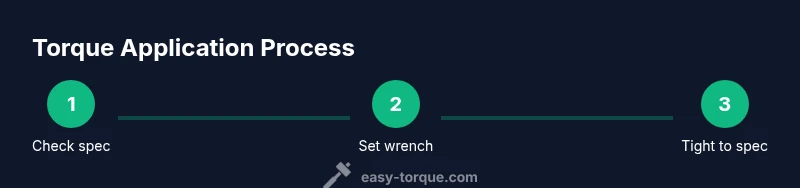
- Identify bolts that require torque by checking the bike’s manual and component markings. 2) Prepare the wrench and bits: ensure you have the correct bit for the bolt and a clean interface. 3) Set the target torque on the wrench by turning the dial and locking the setting. 4) Place the socket or bit on the bolt head, align torque direction with the bolt, and begin tightening with a steady, even force. 5) When you reach the target torque, stop immediately and recheck alignment. 6) If a bolt seats unevenly, back off slightly and tighten again to the spec. 7) Record the torque value in your maintenance log for future reference. 8) Store the wrench in its case, with the setting at the minimum or per the manufacturer’s guidance. This workflow helps ensure accurate, repeatable results across all bike builds and repairs.
tip4preferredContent_tsNo(1)ContentsInStep1: 1) Identify bolts that require torque by checking the bike’s manual and component markings. 2) Prepare the wrench and bits: ensure you have the correct bit for the bolt and a clean interface. 3) Set the target torque on the wrench by turning the dial and locking the setting. 4) Place the socket or bit on the bolt head, align torque direction with the bolt, and begin tightening with a steady, even force. 5) When you reach the target torque, stop immediately and recheck alignment. 6) If a bolt seats unevenly, back off slightly and tighten again to the spec. 7) Record the torque value in your maintenance log for future reference. 8) Store the wrench in its case, with the setting at the minimum or per the manufacturer’s guidance.
estimatedTime":"15-25 minutes"}],
tipsList":{"tips":[{
type":"pro_tip","text":"Always start by cleaning bolt threads and seating surfaces to ensure measurement accuracy."},{
type":"warning","text":"Do not force a wrench beyond its maximum range; use a larger range tool or different bolt specification."},{
type":"note","text":"If a bolt requires lubrication, apply a light, manufacturer-approved amount before torquing."}]},
keyTakeaways
The keyTakeaways must be a flat array
Tools & Materials
- Bike torque wrench(Adjustable range or preset with clear Nm scale. Include both metric and imperial if possible.)
- Hex/Allen keys and Torx bit set(Ensure bits fit bolts used on your bike.)
- Torque angle gauge (optional)(Helpful for advanced torque-angle tightening.)
- Lubricant or anti-seize (manufacturer-approved)(Only if specified by component manufacturer.)
- Cleaning cloth(Wipe threads and bolt heads before tightening.)
- Torque wrench calibration tool or service(Periodic calibration as per manufacturer guidance.)
Steps
Estimated time: 15-25 minutes
- 1
Identify torque-critical bolts
Review the bike’s manual and component markings to identify which bolts require torque control. Note whether any bolt uses a different unit or a special procedure. This step prevents over-tightening and ensures you target the correct areas.
Tip: Double-check the component manufacturer’s spec sheet. - 2
Select and prepare tools
Choose the right bit for the bolt head and ensure the torque wrench is clean and functioning. Inspect the wrench for signs of wear or drift before use.
Tip: Use fresh, undamaged bits for best engagement. - 3
Set the target torque
Rotate the wrench dial to the specified torque and lock it if your model requires locking. Verify the setting by visually aligning the marker with the scale.
Tip: Cross-check with another source if you’re unsure about the value. - 4
Position and tighten
Place the bit on the bolt and apply smooth, even pressure. Do not jerk or snap the wrench to avoid overshooting the target torque.
Tip: Maintain consistent wrist motion and stop at the exact torque reading. - 5
Recheck seating and torque
Loosen slightly if the bolt seats unevenly, then retighten to the exact specification. Confirm the bolt holds without movement.
Tip: A second pass ensures even load distribution. - 6
Record the torque
Log the torque value in your maintenance notes for future reference. Include date, component, and bolt location.
Tip: Keeping a log helps you track tool accuracy over time. - 7
Store the tool properly
Reset to the minimum setting and store the wrench in its case in a dry, cool place. Avoid storing in high heat or humidity.
Tip: Proper storage extends tool life. - 8
Regularly inspect and recalibrate
Check calibration behavior after repeated uses or hard sessions. Schedule recalibration per the manufacturer’s guidance or when readings feel off.
Tip: If readings drift, don’t rely on it until recalibrated.
Your Questions Answered
What is a bike torque wrench and why do I need one?
A bike torque wrench measures the exact force used when tightening bolts on a bicycle. Using it helps prevent damage from over-tightening and ensures critical joints are secured properly for safety and performance.
A bike torque wrench measures exact tightening force to protect parts and keep your bike safe and running well.
How do I know the right torque for a bike component?
Always follow the manufacturer’s torque specification printed on the component or in the service manual. If the exact value isn’t available, use the wrench within the component’s range and recheck after seating.
Check the component’s spec sheet or manual, then tighten to that value and recheck after seating.
Can I use a generic torque wrench for bikes?
Yes, if the wrench covers the required range and has good accuracy. Ensure you use the correct units (Nm) and a proper bit for the bolt head.
A good adjustable torque wrench can work, as long as it fits the bike’s specs and has accurate readings.
How often should I calibrate my torque wrench?
Calibrate according to the manufacturer’s guidance, and consider recalibrating after heavy use or if you notice readings drift.
Check calibration per the maker’s guidance or when you notice drift.
What are common mistakes when torquing bike bolts?
Common mistakes include using the wrong unit, neglecting surface seating, failing to recheck after seating, and overtightening sensitive components such as carbon parts.
Don't rush, double-check units and seating, and recheck tightness after the bolt seats.
Is a digital torque wrench better than a mechanical one for bikes?
Digital wrenches can be easier to read and may offer more features, but both can be accurate if calibrated and used correctly. Reliability depends on build quality and maintenance.
Digital tools are easy to read, but accuracy still depends on calibration and proper use.
Watch Video
Top Takeaways
- Use manufacturer specs to set torque targets.
- Choose a wrench with appropriate range and accuracy.
- Calibrate and maintain your tool for repeatable results.
- Tighten bolts smoothly and recheck to ensure seating.
- Log torque values for future reference.