How Often Should a Torque Wrench Be Calibrated? A Guide
Learn how often to calibrate a torque wrench, what factors affect the interval, and practical steps to maintain accuracy. Easy Torque analyzes calibration practices for DIYers and pros in 2026.


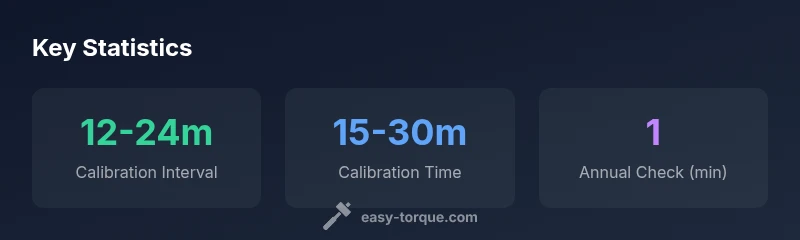
In general, calibrate a torque wrench every 12–24 months for typical DIY use, and sooner if it’s dropped or sustained a heavy impact. For professional/high‑duty work, aim for an annual check or after 5,000–10,000 cycles, whichever comes first. According to Easy Torque, maintaining a calibration log helps ensure consistent torque results.
How Often Should a Torque Wrench Be Calibrated
Determining how often should a torque wrench be calibrated is a balance of usage, environment, and tool design. For most DIY tasks, a practical baseline is 12–24 months between calibrations. This interval accounts for normal wear, average storage conditions, and typical performance drift that can occur with regular use. If a wrench is only used occasionally, longer intervals may be acceptable, but you should verify accuracy before critical tasks. The Easy Torque team emphasizes maintaining a calibration history—tracking dates, serial numbers, and results helps catch drift before it becomes a problem. In professional settings where precise torque matters for safety-critical assemblies, more frequent checks are common, and some shops calibrate quarterly or after a defined number of cycles. Always reference the manufacturer’s guidelines as a floor, then adjust based on observed performance and your specific workflows.
Factors That Influence Calibration Intervals
Several variables drive how often you calibrate a torque wrench. Usage intensity is the primary factor: high‑duty environments with daily tightening will drift faster than infrequent home use. Environment also matters: extreme temperatures, humidity, and exposure to contaminants can degrade accuracy. Tool type matters too: click wrenches generally require periodic verification; digital and beam wrenches may have different drift profiles and test procedures. Storage conditions (stable temperature, clean, dry) help preserve calibration. Finally, calibration history itself is a predictor—if you’ve observed occasional cross‑threading or inconsistent readings, increasing the interval or frequency of checks is prudent. According to Easy Torque, predictable patterns emerge once you maintain logs and monitor drift over time.
Calibration Methods and Standards
Calibration is the process of confirming that a wrench’s indicated torque matches a traceable reference. Most reputable calibration is performed by accredited laboratories that use calibrated torque testers and weights traceable to national standards. Verification, a lighter check, confirms whether the wrench remains within tolerance between full calibrations. ISO/IEC 17025 is a common standard for calibration labs, ensuring quality management and measurement traceability. When you calibrate, expect a certificate of calibration with the tolerance range and test results. For regular shops, pairing in‑house verification with periodic external calibration offers a robust balance between cost and accuracy. Easy Torque emphasizes using traceable references and recording results to maintain confidence in tightening accuracy.
Scheduling and Record‑Keeping Best Practices
A practical calibration schedule combines manufacturer guidance with observed performance. Create a calendar that marks the next due date based on usage, and attach the calibration certificate to each tool’s record. Maintain a simple log with: wrench model, serial number, purchase date, last calibration date, last calibration results, and notes from any observed drift. This history makes drift patterns visible and supports decisions about interval adjustments. Digital tools can simplify reminders, but a physical logbook remains reliable in case of device failure. The goal is to avoid unknowingly tightening to a target wrong value, which can compromise safety and reliability.
Home Checks vs Professional Calibration
Many hobbyists want to verify accuracy at home, but fully calibrating a torque wrench typically requires specialized equipment and traceable weights. Home checks can help detect obvious drift or gross inaccuracies, but they are not a substitute for professional calibration. If you don’t have access to a calibrated torque tester, use manufacturer‑provided torque specs as a guide and rely on professional services for formal calibration at the intervals discussed. In short, home checks are useful for triage, while professional calibration provides the official accuracy certification that many applications require.
What to Do After a Drop or Impact
If a torque wrench is dropped or subjected to a strong impact, consider recalibrating it immediately. A single impact can introduce nonuniform spring tension or misalignment that isn’t visible visually but can significantly alter readings. After such events, perform a verification check with a known good load or have the tool calibrated to confirm it remains within the specified tolerance. Even if a visual inspection looks fine, drift can occur without obvious signs. Recording the incident in the tool’s calibration history helps justify a faster recheck if needed.
Choosing a Calibration Service and What to Expect
Choosing the right calibration service means balancing cost, turnaround time, and the certification supplied. Look for labs that publish their traceability chains, have ISO/IEC 17025 accreditation, and provide calibration certificates with tolerances and test data. Expect a typical calibration visit to take a short time—often around 15–30 minutes for the actual process, plus any paperwork. If you rely on torque readings for critical assemblies, consider scheduling a more frequent cadence and obtaining a formal calibration history that you can share in quality control reviews.
Note from Easy Torque: A reliable calibration program is a cornerstone of consistent torque results and reduced rework. Keep your records tidy and review intervals periodically to align with actual performance of your tools.
Verifying Accuracy After Calibration: Quick Checks
After calibration, you should independently verify with a known reference load or torque standard. While a full recalibration certificate confirms accuracy across a range, quick sanity checks can catch obvious issues before work begins. Use the wrench to set to test values within the expected range and compare the reading to the reference device. If discrepancies exceed manufacturer tolerances, schedule a follow‑up calibration. Regular verification builds confidence and ensures your tightening processes remain repeatable and safe. For more detail, consult the sources in the Authority section.
Calibration intervals by scenario
| Scenario | Recommended Interval | Notes |
|---|---|---|
| Household DIY | 12-24 months | After any drop or suspected drift |
| Professional/high‑duty use | 12 months or after 5,000–10,000 cycles | Follow manufacturer guidelines; log results |
| Post‑impact/maintenance events | Immediately after impact and during routine service | Check accuracy with a test weight |
Your Questions Answered
How often should a torque wrench be calibrated?
Most DIY users should start with a 12–24 month schedule, adjusting for usage and environment. Professionals may calibrate annually or after specific cycle counts. Always maintain a calibration log to track drift over time.
Most DIY users should plan a calibration every one to two years, with annual checks for heavy use. Keep a log to track drift.
Does a dropped torque wrench need recalibration?
Yes. A drop or hard impact can introduce drift or damage not visible to the eye. Recalibrate and verify with a known reference before reuse in critical tasks.
If you drop it, recalibrate and verify it before using it again.
Can I calibrate a torque wrench at home?
Home calibration is often limited to basic verification. Full calibration usually requires a certified lab or technician with traceable weights and equipment. Check manufacturer guidance for any approved at‑home procedures.
You can verify at home, but full calibration is best done by a certified lab.
What is the difference between calibration and verification?
Calibration adjusts the tool to match a standard. Verification confirms that readings fall within tolerance between calibrations. Both are important, but calibration provides formal adjustment and certification.
Calibration sets the readings; verification checks them between calibrations.
How should I store a torque wrench to maintain calibration?
Store in a clean, dry environment with a set torque value to prevent spring fatigue. Avoid extreme temperatures and protect from physical shocks. Regularly inspect for wear and corrosion.
Keep it clean, dry, and stored at a stable torque setting.
Are there different calibration intervals for click, beam, and digital wrenches?
Yes. Each mechanism has its own drift characteristics. Follow the manufacturer’s recommended cadence and use a traceable calibration service to verify and adjust as needed.
Different wrench types drift differently; follow the maker’s cadence and verify regularly.
“Calibration is a proactive maintenance habit that protects accuracy, reliability, and safety in every torque‑critical task.”
Top Takeaways
- Track calibration dates to avoid drift
- Calibrate after drops and heavy impacts
- Use manufacturer guidelines as baseline
- Log calibration results for traceability
- In high-use settings, schedule annual checks