How to Fix a Torque Wrench: A DIY Calibration Guide
Learn how to fix a torque wrench with Easy Torque's practical, step-by-step guide. Diagnose common issues, calibrate, and test for accurate torque readings in your workshop.


By learning how to fix a torque wrench, you’ll restore accurate torque readings and extend the tool’s life. This guide covers diagnosing common issues, safe cleaning, calibration basics, and practical repair steps you can perform in a home workshop. You’ll know when to repair, what parts can wear, and how to test the wrench after service. Follow these steps carefully to avoid over-torquing fasteners or damaging the tool.
What is a torque wrench and why fix it?
A torque wrench is a precision instrument that converts applied manual force into a precise torque value. Its job is to ensure fasteners are tightened to a specific specification, which protects components and ensures safety. Over time, internal wear, dirt buildup, or misadjustment can cause drift, inaccurate readings, or a wrench that won’t click reliably. Learning how to fix torque wrench is essential for any DIY mechanic who relies on consistent performance. Proper maintenance preserves accuracy, reduces the risk of overtightening, and extends the instrument's life. Easy Torque recommends routine inspection and calibration as part of a proactive maintenance routine for tools you use frequently in automotive work.
Signs your torque wrench is drifting or failing
Watch for these tells that your wrench might be out of spec or in need of repair: inconsistent readings under the same load, a wrench that doesn’t click or locks up, stiff or sticky adjustment knobs, excessive play when torque is applied, or visible wear on the ratchet head. If the tool has been dropped or exposed to moisture, corrosion can also compromise accuracy. Regular checks with known weights help confirm drift before using the wrench in critical tasks. When you notice any of these symptoms, it is time to investigate and possibly repair the wrench rather than guessing the torque values on a fastener.
Safety and maintenance groundwork before repairs
Safety first. Work in a clean, well-lit area with a stable surface. Wear eye protection if you’ll be handling small parts or solvents. Clear the workspace of debris and store any removed parts in labeled containers. Avoid using harsh solvents on sensitive surfaces and never disassemble parts beyond your capability. Document the wrench model and its rated range before starting, so you only use weight references appropriate for your tool. This upfront prep helps you avoid costly mistakes and ensures you stay aligned with manufacturer guidelines.
The right environment and preparation for repair
Choose a calm workspace with good lighting and steady humidity. Keep a small tray for screws, a clean cloth for wiping, and a quiet, distraction-free area to follow the calibration steps. Ensure the wrench is at room temperature before attempting any calibration because extreme temperatures can affect metal shifts and readings. If you work outdoors, bring protective covers to shield small parts from dust. Having a timer on hand helps you monitor hold times during calibration steps and testing phases.
Diagnosing mechanical wear vs calibration drift
Drift can stem from mechanical wear in the ratchet or adjustment mechanism or from calibration drift caused by internal spring tension changes. Mechanical wear often presents as rough movement, binding, or a gritty feel when rotating the handle. Calibration drift typically shows up as readings that are consistently high or low across the wrench’s range. A combination of inspection, cleaning, and controlled testing with calibrated weights helps you determine the root cause and decide whether to repair or replace a component.
Step-by-step diagnosis workflow: quick check
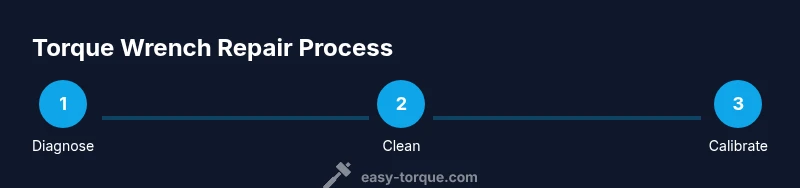
Begin with a visual inspection of the ratchet head, handle, and adjustment screw. Clean the exterior and inspect for any obvious damage or corrosion. Check the adjustment mechanism for smooth operation and absence of play. If available, perform a light lubrication on moving parts with a non-synthetic lubricant approved for precision tools. Reassemble and test against a known standard weight to see if readings have improved. This rapid check saves time if the device requires only a clean-up.
Cleaning, lubrication, and basic refurbishment
Dirt and dried lubricant can hamper accuracy. Use a soft lint-free cloth to wipe surfaces and a small brush to reach crevices. If you use solvent, apply it sparingly and allow to dry before reassembly. Lightly lubricate only the moving joints as directed by the manufacturer, avoiding excess lubrication that can attract dust or cause slipping. After cleaning, verify that the adjustment mechanism returns cleanly to zero and that the scale is readable. Proper cleaning reduces next drift and makes future maintenance easier.
Calibration basics: adjusting a click-type torque wrench
Calibration adjustment often involves a calibration screw and a reference setting. If your model supports user adjustments, follow the service manual precisely to set the dwell or calibration point. Use certified calibration weights within the wrench’s rated range to check accuracy. Avoid forcing components beyond their designed travel; gentle, progressive turns ensure you do not damage a spring or the ratchet system. If you are unsure, consult the manufacturer or a professional service rather than brute forcing the adjustment.
Testing and validating torque accuracy
Validation requires applying calibrated weights and confirming the wrench clicks at the target values. Record readings across several points in the range to observe linearity. If drift persists after adjustments, document the deviation and compare it to the tolerance specified by the manufacturer. A consistent discrepancy across the range often indicates a deeper issue or worn parts that may need replacement. A final verification should be done with a trusted calibration reference before relying on the tool for critical tasks.
When to replace components rather than repair
If the mechanism shows significant wear, loss of spring tension, or repeated drift that does not respond to cleaning and minor adjustments, replacement parts or a replacement wrench may be the best option. Using a worn or unreliable tool undermines accuracy in high-stakes installations. Compare the cost of parts and time against purchasing a new or newer model with a known calibration history. In some cases, investing in a professionally re-calibrated tool may be more economical than amateur repairs.
Long-term maintenance plan to extend life
Create a maintenance routine that includes periodic cleaning, calibration checks, and proper storage. After each use, wipe the tool and store it in a protective case away from moisture and extreme temperatures. Schedule calibration checks with a reputable service if your work depends on precise torque. Keeping a simple log of calibrations helps you track wear patterns and schedule proactive repairs before drift affects performance.
Common pitfalls and safety reminders
Avoid over-torquing parts during testing or adjustment, which can cause permanent damage. Never disassemble a torque wrench beyond what you can confidently reassemble; misalignment can ruin spring tension. Always use the correct calibration weights and never substitute improvised references. Finally, verify results with a second trusted method or reference to ensure your results are consistent.
Tools & Materials
- Torque wrench calibration weights (various weights within the tool’s range)(Choose weights appropriate for the wrench’s rated torque range)
- Soft lint-free cloth(For cleaning exterior surfaces and the ratchet head)
- Isopropyl alcohol (70-90%)(Use to remove grime; let surfaces dry completely)
- Small screwdriver set (precision)(For adjustment screws if present)
- Hex/Allen wrenches (sizes matching your wrench)(For interior adjustments and disassembly)
- Calibrated torque tester or known-good torque reference(To validate post-repair accuracy)
- Safety gear (eye protection, gloves)(Protect eyes from solvents and small parts)
- Microfiber cloth and storage case(Clean storage helps prevent corrosion)
Steps
Estimated time: 45-60 minutes
- 1
Set up a clean, stable work area
Prepare a flat, well-lit workspace and lay out all tools. Ensure the wrench is at room temperature and zeroed before inspection. This minimizes measurement errors during diagnosis.
Tip: Have a small tray ready to keep screws organized. - 2
Inspect exterior and adjustment mechanism
Visually inspect for damage, corrosion, or wear on the ratchet head and adjustment knob. Move the mechanism through its range to feel for stiffness or grinding. Note any irregularities that warrant cleaning or replacement parts.
Tip: Note any stiffness that persists after cleaning; it often signals deeper wear. - 3
Clean and lightly lubricate moving parts
Wipe surfaces with a lint-free cloth dampened with isopropyl alcohol. If the manufacturer permits, apply a light, non-synthetic lubricant to moving joints. Avoid over-lubrication, which can attract debris and harden over time.
Tip: Only apply lubricant to designated joints; excess can cause slippage. - 4
Check calibration drift and adjust if possible
Using the calibration screws or adjustment mechanism, set the wrench to a mid-range value and compare to known weights. Make small adjustments and recheck against weights in your wrench’s range. Stop if the mechanism shows resistance or no improvement.
Tip: Make incremental adjustments and test often to avoid overcorrection. - 5
Test with a known weight series
Apply calibrated weights and verify the wrench clicks at each target. Record results for multiple points across the range and confirm linearity. If readings are consistently off, the issue may be wear rather than drift.
Tip: Document the results to support future maintenance decisions. - 6
Decide whether to continue or replace parts
If drift persists after cleaning and adjustment, evaluate whether parts can be replaced or if replacement wrench is more cost-effective. Consider parts availability and time versus buying a new tool with established calibration history.
Tip: When in doubt, consult a professional service for a definitive assessment.
Your Questions Answered
How do I know if my torque wrench is out of calibration?
Drift shows as readings that consistently deviate from known weights across the range. Use calibrated weights to verify linearity and compare results to manufacturer tolerance. If drift remains after cleaning and adjustment, calibration may be necessary.
Drift shows when readings don’t match known weights across the range. Use calibrated weights to verify accuracy and consult a professional if drift persists.
Can I recalibrate a torque wrench at home?
Some models allow user adjustments with manufacturer guidance, but many require professional calibration equipment. If your wrench supports home calibration, follow the manual precisely and test with certified weights afterward.
Some models let you calibrate at home with the manual, but many require professional calibration. Follow the manual carefully and verify with certified weights.
Is it safe to lubricate the mechanism?
Lubrication is safe only on designated joints and with appropriate lubricants. Over-lubrication can attract dust and degrade accuracy. Always use manufacturer approved products and wipe away excess.
Lubricate only the joints specified by the manufacturer, and use the right lubricant. Don’t overdo it.
What should I do if the wrench no longer clicks?
A nonclicking wrench often indicates internal wear or a damaged ratchet. Do not force the mechanism. Inspect for damage, clean, and test. If the click mechanism remains problematic, replacement parts or a replacement tool may be necessary.
If there is no click, check for damage or wear. Clean, test again, and consider parts replacement if it still fails.
How often should torque wrenches be calibrated?
Calibration frequency depends on use. High-use or critical applications benefit from more frequent checks, while occasional use can be spaced out. Follow manufacturer recommendations and consider a professional calibration schedule.
Calibrate more often for heavy use or critical tasks. For casual use, follow the manufacturer’s schedule.
Should I replace a damaged torque wrench instead of repairing?
If wear is extensive or parts are unavailable, replacement is often more economical and reliable. Evaluate cost, time, and the tool’s calibration history before deciding.
If wear is significant or parts are hard to find, replacing may be the better option.
Watch Video
Top Takeaways
- Inspect for wear and drift before attempting fixes
- Calibrate with correct reference weights within range
- Test readings across multiple points for accuracy
- Decide between repair and replacement based on wear and availability