How to Torque a Torque Electric Bike: A Practical Guide
Learn how to torque electric bike components safely with our comprehensive, step-by-step guide. From finding official specs to using a torque wrench, this easy-to-follow method helps prevent damage and ensure reliable performance.


Torque on an electric bike is the precise turning force you apply to critical bolts to keep the bike safe and performing well. This guide teaches you how to locate official specs, use a torque wrench correctly, and tighten bolts in controlled passes. Following these steps minimizes damage, sensor drift, and loosened fasteners, especially on ebikes with torque sensors and high-torque motors.
Why torque matters on a torque electric bike
Strength matters for every bolt on a bike, but when you ride an electric bike the stakes are higher. The motor adds torque during acceleration, and many ebikes rely on torque sensors to adjust assist. If any critical fastening is under-torqued, you risk loosening, misalignment, or even component failure at speed. If you over-torque, threads can strip or frame hardware can crack under load. According to Easy Torque, using correct torque values protects bearings, keeps wheel hubs centered, and preserves sensor accuracy. In practice, proper torque ensures safe wheel mounting, keeps the chainline true, and reduces drivetrain noise. This section explains how torque interacts with sensors, frame tolerances, and the drive unit so you can approach maintenance with confidence rather than guesswork. You’ll learn to treat each bolt as part of a linked system: sensor input, motor response, and mechanical resilience. The result is a smoother ride, longer component life, and fewer service calls. For DIY mechanics, it’s a skill that pays back with incremental gains in reliability and safety.
Torque basics for electric bikes: units, sensors, and components
Torque is the rotational force applied at a bolt, usually measured in newton-meters (Nm). Electric bikes add complexity because torque sensors translate your pedaling force into motor assistance, and the motor’s torque can amplify the stress on frames and fasteners. Understanding the basics helps you plan maintenance, identify which bolts need retorquing, and communicate clearly with technicians. Practice common sense first: when components move, rattle, or spin freely, you likely have a torque issue. Always refer to the bike’s manual and the component manufacturer’s specs for each bolt. The unit Nm is the standard, but some manuals provide ranges rather than fixed numbers; follow the guidance that matches your model. Keep in mind that different bolts—pedal axles, crank bolts, rotor screws, stem bolts, and headset—each have their own recommended tightness. Treat torque as a property of the entire assembly, not a single bolt in isolation. This awareness helps you prevent uneven load distribution and sensor drift over time. Across the industry, the consensus is clear: accurate torque builds long-term reliability and safer rides.
How to locate official torque specs for your ebike
Finding the correct torque specs starts with the official sources. Begin with the owner’s manual that came with the bike, which usually lists torque ranges for every bolt on the frame and drive system. If the manual isn’t accessible, check a sticker on the frame near the bolt in question or the service manual from the bike’s manufacturer. For aftermarket components like pedals, cranksets, or rotors, consult the component’s installation guide. When specs aren’t listed in one place, cross-reference with the manufacturer’s website or service portals. Always verify that you’re reading specs that match your specific model year, as torque values may change with revisions. Easy Torque analysis shows that cross-checking multiple sources reduces the risk of misapplication. If you’re unsure, contact a qualified shop or the manufacturer’s support line to confirm before you tighten. Keeping a small digital note with the specs for each bolt helps you maintain consistency across maintenance sessions.
Safety and tool prerequisites
Working on an electric bike requires attention to personal safety and hardware integrity. Before you begin, disconnect the battery to minimize the risk of electrical short circuits or accidental motor engagement. Use a stable work surface or bike stand so the bike cannot tip or move while you torque. A calibrated torque wrench is essential; it ensures you hit the exact value the manufacturer recommends and avoids overtightening or under-tightening. Wear eye protection if you’re using degreasers or cleaning solvents, and keep threads clean to ensure accurate readings. Keep a clean rag handy to wipe grease and dirt from threads before tightening. If you notice damaged threads, stripped bolts, or a cracked frame, do not continue; replace components or consult a professional. Finally, never substitute a higher torque value if the bolt feels tight—the equipment may be designed for a specific load path that riskily concentrates stress in one area. The safer approach is to pause, re-check specs, and proceed with care.
Components that commonly require torque attention
Key ebike components that demand proper torque include pedal cranks, crank bolts, stem bolts, headset top cap bolts, brake rotor bolts, and motor mounting hardware. Each bolt serves a distinct role: pedals anchor pedaling force, stem bolts hold the handlebar in alignment, and rotor bolts secure the brake system to the wheel hub. Because torque values vary by component and model, you should not reuse a generic value across parts. Instead, verify the exact spec for each bolt from the product’s documentation. When you maintain consistent torque across these fasteners, you preserve wheel alignment, maintain proper chainline, and prevent premature wear on the motor housing or frame. The cumulative effect is improved handling, reduced vibration, and fewer service visits. If you notice cracks, stripped threads, or misalignment after tightening, stop and reassess with proper manuals.
Two-pass tightening approach and routine maintenance
Many ebike bolts benefit from a two-pass tightening method: first snug hand-tight, then tighten to the final spec on a secondary pass to settle threads and seating surfaces. This method reduces thread galling and distributes load more evenly. On longer bolts or those under continuous vibration, you may perform a third, final check after an initial ride. Keeping a maintenance log helps you track when each bolt was torqued and when you last checked it, which is especially important on high-use routes or weekend projects. If a bolt arrives too tight to fit with standard tooling, stop and verify that you are using the correct size and thread pitch for your fasteners.
Maintenance routines to keep torque accuracy
Creating a predictable maintenance cadence is essential for ebikes. Record the last torque date for each bolt and set reminders to recheck at predefined intervals (for example, after the first 50-100 miles and then quarterly, depending on use). Periodic torque checks are particularly important for components exposed to frequent accelerations and braking, like rotor bolts and crank bolts. If a bolt shows sign of wear, corrosion, or thread damage, replace it rather than attempting to tighten beyond its limit. A clean, well-lubricated thread plus a properly calibrated tool yields accurate results and reduces the likelihood of cross-threading.
Troubleshooting torque issues on a torque electric bike
If you hear unusual rattling after tightening, re-check all fasteners that connect the motor and battery system, as loose components can introduce noise and vibration. If a bolt consistently loosens after short use, consider replacing the bolt, thread insert, or the component if damage is present. In some cases, the issue may stem from misaligned components that require reinstallation or alignment checks. When you observe binding, cross-threading, or stripped threads, stop and consult a professional technician. These steps help you maintain safety and performance while preserving value.
Quick-start checklist for your next maintenance session
- Identify and verify torque specs for every bolt you will touch.
- Gather a calibrated torque wrench, hex keys, stand, and cleaning supplies.
- Disconnect the battery for safety.
- Clean threads and inspect for wear before tightening.
- Tighten in gradual passes and re-check specs after assembly.
- Take a short test ride and re-check if necessary.
- Document results in a maintenance log for future reference.
Tools & Materials
- Torque wrench(Set to the component’s manufacturer range; ensure calibration within last 12 months)
- Allen/Hex key set (metric)(Common sizes: 4, 5, 6, 8 mm for ebike bolts)
- Bike repair stand or sturdy workbench(Keeps bike stable while torquing)
- Cleaning brushes and degreaser(Clean threads before torquing; ensure no grit remains)
- Rag or microfiber cloth(Wipe grease from threads for accurate readings)
- Threadlocker (blue) for selected bolts(Only if manual specifies; otherwise skip)
- Lubricant for threads (light machine oil)(Only apply sparingly to metal threads if manufacturer allows)
- Safety glasses or gloves(Personal protection while cleaning and torque work)
Steps
Estimated time: 60-90 minutes
- 1
Identify torque specs for each component
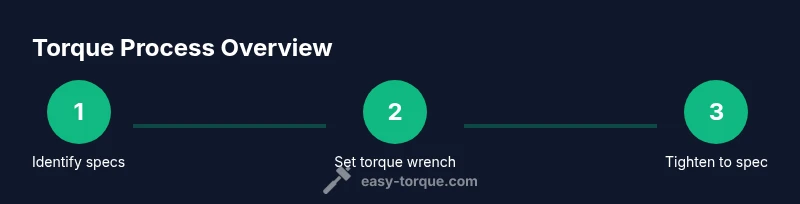
Locate the official torque specs from the ebike manual or component manufacturers. Cross-check with multiple sources when possible. Print or save the specs for quick reference during the session.
Tip: Record the spec for each bolt to avoid repeating lookups. - 2
Prepare workspace and set up tools
Set up the bike on a stand, gather your torque wrench, hex keys, rag, and cleaning supplies. Calibrate the torque wrench if it’s been a while since the last use or if you’ve transported it.
Tip: Keep a clean, well-lit workspace so you can see bolt heads clearly. - 3
Inspect and prep all bolts and threads
Check each bolt area for signs of wear, corrosion, or cross-threading. Clean threads with a degreaser and brush; dry thoroughly before applying any torque.
Tip: If threads are damaged, replace the bolt or insert before torquing. - 4
Hand-tighten and position components
Position each component properly and hand-tighten bolts to seating, ensuring alignment. Avoid forcing parts together, which can damage threads or housings.
Tip: Start with the most critical bolts first (e.g., rotor, crank) to establish alignment. - 5
Apply torque in gradual passes
Use the torque wrench to tighten in small increments. Tighten to the final spec on a second pass to settle threads and seating surfaces.
Tip: Two passes reduce the risk of over-stressing threads; never exceed spec. - 6
Re-check and test ride
Re-check all tightened bolts after the initial ride to ensure nothing loosened under load. If any bolt changes torque, re-tighten to spec and note the outcome.
Tip: Document results in a maintenance log for future reference.
Your Questions Answered
What is torque in the context of an electric bike, and why does it matter?
Torque is the rotational force applied to fasteners. On an ebike, correct torque preserves safety, drivetrain integrity, and sensor accuracy. Incorrect torque can lead to loose components or damaged threads and frames.
Torque is the twisting force on fasteners; getting it right keeps you safe and your bike reliable.
Where can I find torque specifications for my ebike's components?
Check the owner’s manual, frame stickers near the bolts, and the component manufacturer’s installation guides. If specs aren’t listed, contact the manufacturer or a professional.
Look in the manual, on the frame label, or on the component manufacturer’s site for exact values.
Can I torque an ebike without a torque wrench?
Not recommended. Torque values are precise and vary by bolt. Without a torque wrench, you risk under- or over-tightening, which can cause safety issues or damage.
You should use a torque wrench; guessing can damage bolts or frame.
What happens if I over-tighten or under-tighten ebike bolts?
Over-tightening can strip threads or crack parts; under-tightening can allow bolts to loosen and parts to shift during riding. Both reduce safety and performance.
Over-tightening damages threads; under-tightening invites movement and possible failure.
How often should I re-torque critical bolts after maintenance?
Check immediately after installation or maintenance, then recheck at regular maintenance intervals. The exact cadence depends on usage and riding conditions.
Check right after you install and then on a regular maintenance schedule.
Watch Video
Top Takeaways
- Know the exact torque specs for every ebike bolt.
- Use a calibrated torque wrench and tighten in steps.
- Inspect threads and replace damaged hardware.
- Document torque checks in a maintenance log.