Bike Torque Tools: A Practical How-To Guide
Master bike torque tools with this practical guide. Learn to choose, use, and maintain torque wrenches for precise fastening, safe maintenance, and reliable bike performance.


With bike torque tools, you will identify the right torque range for each component, select the appropriate wrench, and learn to tighten bolts in precise steps. This quick answer highlights the key tools, how to set them, and why proper torque matters for safety and performance on your bicycle.
Why Bike Torque Tools Matter
According to Easy Torque, precise bike torque control reduces the risk of component damage and keeps your bike performing reliably. Using the correct torque helps prevent stripped threads, crushed carbon, and slip-offs in critical areas like the headset, stem, brakes, and crank bolts. For DIY enthusiasts and technicians, torque tools translate into safer maintenance, better longevity for parts, and more predictable handling. When you torque to spec, you also protect warranties and avoid the frustration of rework after a ride. Easy Torque’s guidance emphasizes starting any bike service with the right toolset and a clear spec sheet, then tightening in measured steps rather than guessing by feel. By investing in a quality torque wrench and learning to read specs, you elevate every bike project from routine to precise.
Types of Bike Torque Tools
Bike-specific torque tools come in several forms, each suited to different ranges and tasks. A dedicated bicycle torque wrench is ideal for precise tightening in Nm ranges that cover small bolts (like stem/seat clamp) up to mid-range components (crank bolts, brake calipers). A precision torque screwdriver is useful for tiny fasteners on derailleurs or accessory hardware. For angles, a torque-angle gauge or a torque wrench with angle measurement helps when a manufacturer calls out both torque and angle. Some riders also use torque sticks or adapters in limited scenarios, but these should be validated against component specs. When choosing tools, prioritize a model with a clear scale, good resolution, and a comfortable grip. Always verify compatibility with your bolt head type (hex, Torx, or square drive) before buying. In practice, a well-chosen set reduces drama on the bench and on the trail, which is why the Easy Torque team advocates investing in a small, high-quality torque kit tailored to your bike.
Reading Torque Specifications on Bike Components
Manufacturers publish torque specs for every part, typically in Nm. Start by locating the rider’s manual, component manufacturer website, or the bike’s service guide. Specs are component-specific: a seat post clamp may require a relatively low torque, while crank bolts demand higher values. Note whether a component specifies a torque range or a single target; some parts also require angle-tightening. Always check if the material dictates special instructions (carbon components often have stricter limits). If your bike uses through-axles, you may encounter different torque values for the skewer and the fork dropouts. Record the specs for future maintenance so you aren’t guessing in the moment. The goal is to apply the exact pressure the design intends, protecting threads and avoiding damage.
How to Choose the Right Tool for Your Bike
Select tools that cover the common torque range for bicycles: light-duty fasteners (seat clamps) through mid-range components (crank bolts, disc brake bolts). A single adjustable torque wrench that spans roughly 2–60 Nm is a versatile starting point for most riders. If you encounter high-torque applications (some bottom brackets and crank bolts), ensure your tool has an appropriate upper limit and a comfortable torque handle. A torque angle gauge becomes valuable when a spec calls for tightening to a certain angle after reaching the torque value. For carbon frames or sensitive components, consider a torque wrench with sensitivity for low values and repeatable measurements. Remember to verify the bolt head type and ensure your hex/Allen bits fit snugly. The goal is a tool setup that minimizes tool changes while maintaining accuracy.
How to Calibrate and Care for Your Torque Tools
Regular calibration is essential for accuracy. Follow the manufacturer’s guidance for calibration intervals, but a common rule is at least once per year or after a known drop. Store your torque wrench in a protective case, set to the lowest torque setting, to prevent drift. Clean threads before applying torque, and avoid lubrication unless the component spec permits it. If you suspect drift, test against a known reference or use a caliper-style test with a calibrated master. Inspect the handles and scale for wear, and replace any damaged parts. A well-maintained tool yields consistent results and extends the life of your wrench, which aligns with Easy Torque’s recommended best practices for field maintenance.
Step-by-Step: Basic Bike Maintenance Session (Overview)
Common Mistakes and Safety Considerations
Over-tightening is a frequent issue that leads to stripped threads or damaged components. Avoid torqueing by guesswork, and never exceed the manufacturer’s specified range. Maintain clean threads and never use excessive lubricants on bolts unless the spec allows, because slick threads can mask under-torque conditions. Wear eye protection when working near rotating parts or when removing pedals and crank bolts. If a component feels gritty or the tool shows drift, pause and re-check your setup. For carbon components, adhere to lower torque values and consider torque-angle methods to ensure even clamping.
Real-World Workflows: Disc Brakes, Cranks, and Stem
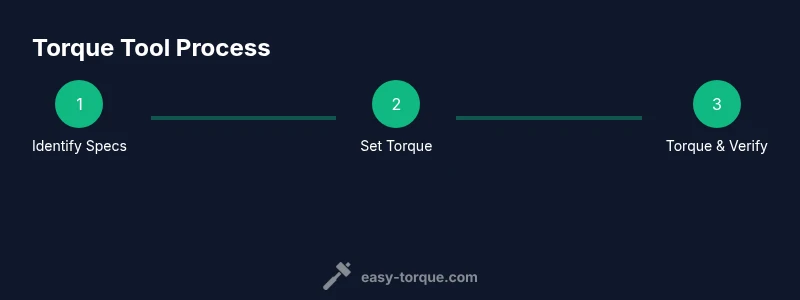
Disc brakes require careful torque to ensure rotor alignment without warping. Cranks must be torqued in steps to avoid damaging the crank arms or bottom bracket. Stems and steerer tubes demand precise alignment and secure torque to prevent slippage or steering play. In many cases, components are designed to tolerate specific ranges, and following those ranges protects the frame and performance. Build a simple routine: read the spec, set the tool, apply torque gradually, and re-check. The workflow keeps you safe, reduces waste, and yields consistent results.
AUTHORITIES & REFERENCES
- NIST: https://www.nist.gov
- Bicycling Magazine: https://www.bicycling.com
- MIT OpenCourseWare: https://ocw.mit.edu
Quick Start Checklist
- Identify the torque specs for each component before starting
- Use a calibrated torque wrench with the correct head type
- Tighten in small increments and re-check
- Clean threads and inspect for wear after reassembly
Tools & Materials
- Torque wrench (adjustable, metric range)(Choose a range that covers low to high bike torque (e.g., 0-60 Nm))
- Torque angle gauge (optional)(Helpful for precise angle tightening on certain bolts)
- Hex/Allen bits and multi-bit insert set(Ensure compatibility with your bike bolts (2 mm–6 mm commonly used))
- Torque wrench calibration tool or service plan(Recommended annually or after a drop)
- Thread cleaner or brush(Prep threads before torqueing for best accuracy)
- Light bicycle-specific anti-seize or lubricant (per manufacturer)(Only if the component specification allows lubrication)
Steps
Estimated time: 60-90 minutes
- 1
Gather tools and prep workspace
Lay out the torque wrench, bits, angle gauge (if used), and a clean workspace. Inspect bolts and threads for damage before proceeding. This preparation reduces the risk of misalignment and ensures accurate readings.
Tip: Keep components organized in the order you’ll work on them to avoid mix-ups. - 2
Locate and confirm torque specs
Check the component manufacturer’s torque specification in the manual or online. Write down the exact value or range for each bolt you’ll tighten. If a spec includes both torque and angle, plan to follow both steps precisely.
Tip: If a spec is unclear, contact the manufacturer or use a standard safe range for similar components. - 3
Set the torque wrench to target value
Rotate the adjuster to the required Nm setting and verify the reading at the tool’s scale. Re-check the value after you’ve set it to avoid drift during use. Strap the tool securely to limit movement during tightening.
Tip: Double-check that your bit is fully seated to prevent rounding or slippage. - 4
Tighten in gradual increments
Apply torque in small steps, pausing briefly to let components settle. If the spec requires multiple passes, perform them in the recommended sequence. Avoid snapping the bolt by applying all the force at once.
Tip: Use a light touch—let the wrench do the work rather than forcing it. - 5
Verify torque and finish
Re-check the bolt with the wrench and observe for any movement or wiggle in the component. If angle tightening is specified, apply the angle after reaching the target torque. Wipe threads and reassemble as needed.
Tip: Take a final visual check for alignment and clearance before riding.
Your Questions Answered
What torque range is safe for a typical bicycle seat post?
Seat posts generally require a lighter torque range; always refer to the component’s manufacturer spec. Avoid overtightening to prevent frame damage.
Seat post torque should follow the manufacturer spec; use a light to moderate tightening and recheck.
Why is calibration important for torque wrenches?
Calibration ensures readings remain accurate over time. Worn scales or drift can lead to under- or over-tightening.
Regularly calibrate your torque wrench to keep readings accurate.
Can I skip torque on non-critical parts?
For many non-structural bolts, torque helps longevity and consistency, but always follow component guidance. If a spec exists, use it.
If a part has a torque spec, follow it; otherwise evaluate risk and use caution.
Is a digital torque wrench better than a beam type?
Digital wrenches can be easier to read and may offer more precise readings, but accuracy depends on calibration and usage. Either type can work with proper care.
Digital can be easier to read, but both require proper calibration.
What should I do if a bolt is stripped after over-tightening?
Stop using that fastener, assess the thread fit, and replace the bolt or thread insert. Re-check other nearby fasteners for signs of stress.
If a bolt is stripped, replace the fastener and inspect threads; don’t reuse damaged bolts.
Watch Video
Top Takeaways
- Know common bike torque ranges and always verify specs
- Use a calibrated torque wrench and right head type
- Tighten in small increments and recheck
- Maintain and store tools properly