Torque for Caliper Bolts: A Practical How-To for Safe Brakes
Learn how to apply the correct torque for caliper bolts with a practical, step-by-step approach. Get tool recommendations, common mistakes, and maintenance tips for reliable braking performance.


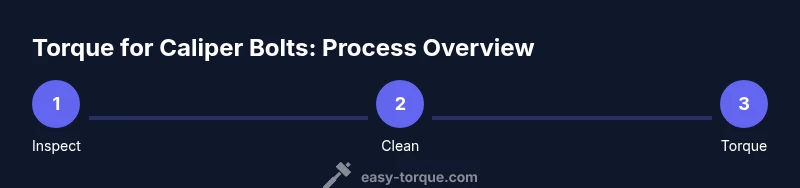
By the end of this guide you’ll be able to torque caliper bolts correctly on most passenger cars. Start with the manufacturer’s specification for the caliper mounting bolts, clean threads, and apply a light anti-seize if recommended. Use a calibrated torque wrench, tighten in the correct sequence, and recheck after a short drive. Proper torque for caliper bolts prevents caliper movement and brake uneven wear.
Why torque for caliper bolts matters
According to Easy Torque, getting the torque right on caliper bolts is a cornerstone of braking system integrity. The caliper must stay aligned with the rotor, and the mounting bolts are what keep that alignment stable under load, heat, and road vibration. When torque is too low, caliper movement can occur, leading to uneven pad wear, rotor scoring, or intermittent brake noise. If torque is excessive, bolts can stretch or shear, risking caliper misalignment or even failure in extreme cases. For DIY mechanics and technicians alike, mastering the correct torque for caliper bolts reduces the chance of brake pulsation, improves pedal feel, and minimizes rework after a road test. In practice, always start from the vehicle manufacturer’s specification and verify that your torque wrench is calibrated.
In addition to following specs, inspect mounting surfaces for rust, corrosion, or debris that can skew torque readings. A clean interface ensures the torque you apply translates into the intended clamp force. If you notice bolt discoloration or thread damage, replace the fastener rather than risking a compromised joint. Easy Torque analysis shows that consistent tightening practice correlates with more predictable braking performance over the life of the vehicle.
Understanding torque specs for caliper bolts
Torque specifications for caliper bolts are model-specific and depend on bolt size, thread pitch, and the caliper design. Vehicle manufacturers publish these specs in service manuals and on manufacturer portals, and aftermarket guides often reiterate them. The key is to use the exact spec intended for your vehicle and bolt type, not a generic value. If you cannot locate a spec, contact the manufacturer or consult a qualified technician before proceeding.
When you translate the spec to practice, remember that the torque value represents the help the fastener needs to clamp the caliper securely without over-stressing parts. Torque is not a substitute for proper alignment or seating; it works in concert with thread cleanliness, bolt condition, and proper mounting surface preparation. Consider the use of a torque wrench that covers the expected range and is calibrated at least annually or per the shop’s maintenance schedule. If your vehicle requires a thread locker or anti-seize, follow the manual’s guidance, apply evenly, and avoid excess that can affect readings.
Tools and preparation for caliper bolt tightening
Before you start, gather the appropriate tools and verify the vehicle’s torque specification. The essential toolkit includes a calibrated torque wrench that covers the manufacturer’s range, a basic socket set, a torque adapter if needed, and a clean rag for surfaces. Optional but recommended items include brake cleaner for degreasing, thread lubricant or anti-seize as specified, and a thread chaser or wire brush to clean bolt holes. Prepare the work area by ensuring the vehicle is securely supported, the wheel is removed, and the brake components are visible and stable. A tidy workspace reduces the risk of losing small fasteners and helps you verify that no debris is trapped in the threads. Following a clean, methodical prep routine makes torque application more reliable and repeatable.
Step-by-step overview and tightening sequence concepts
A precise tightening sequence helps maintain caliper alignment while distributing force evenly across the mounting points. Most caliper bolts require tightening in a defined order (often a star or criss-cross pattern) to ensure even seating of the caliper bracket against the mounting surface. After snugging each bolt by hand or with a ratchet, you will apply the final torque with a calibrated torque wrench. The final torque should be applied in the same sequence, pausing briefly between bolts to allow threads to settle. If a bolt begins to bind or feel gritty, stop and inspect the area for obstruction or thread damage. Remember that torque is the last step in a series of checks that include alignment, seating, and rechecking after an initial road test.
When you finish, recheck all fasteners to confirm consistency and check for any signs of abnormal caliper movement during a light test drive.
Common mistakes and how to avoid them
A frequent error is using the wrong bolt or applying an incorrect torque due to obsolete manuals or misinterpretation of the spec. Always verify the exact model, year, and trim when looking up torque values. Another pitfall is skipping thread cleaning or using penetrating oil on threads, which can artificially lower friction and produce a false torque reading. Do not reuse damaged bolts or mix bolts from different locations or different bolt grades. Additionally, avoid applying excessive anti-seize or thread locker unless the manufacturer prescribes it, as this can alter torque readings. Finally, never rush the process; torque steps must be deliberate and calm to ensure even clamping force and to prevent cross-threading.
Maintaining torque integrity over time
Torque for caliper bolts isn’t a one-and-done step. After wheel removal and reinstallation, or after servicing the brake system, re-check torque as specified by the manufacturer. Temperature cycling, pad wear, and rotor resurfacing can subtly alter thread engagement and seating. If you notice caliper movement or uneven braking after a service, re-check torque and inspect the mounting faces for surface damage. Keeping a log of torque checks and maintenance milestones can help you catch issues before they affect braking performance. Regular, deliberate torque practices reinforce braking reliability and safety over the long term.
Safety and best practices when working on brake hardware
Brake components operate under high load and extreme heat, so personal safety is essential. Wear eye protection and gloves, secure the vehicle, and ensure the engine and ignition are off during inspection. Use a torque wrench with a properly sized head for your bolts and avoid extensions that can throw off readings. If you’re unsure about any step, don’t guess—consult the vehicle manual or a professional. Consistency, cleanliness, and adherence to manufacturer specs are the foundations of safe and reliable braking.
The role of re-checks and test drives
A short test drive after tightening caliper bolts allows the components to settle and reveals any looseness or misalignment. After an initial drive, perform a re-check of torque values and visually inspect the caliper alignment, pad wear, and rotor condition. If you detect any slippage or noise, stop and re-evaluate the mounting hardware. This practice helps prevent brake failure and ensures your workmanship remains reliable across time.
Tools & Materials
- Calibrated torque wrench(Covers the vehicle’s bolt range; calibrate regularly)
- Socket set and extensions(Appropriate sizes for caliper bolts; use clean, dry sockets)
- Brake cleaner or degreaser(Use to clean mounting surfaces; avoid residues)
- Thread lubricant or anti-seize (per spec)(Only if the manufacturer specifies; apply thin, even layer)
- Thread chaser or wire brush(Clean threads and holes before torquing)
- Rags and protective gloves(Keep hands clean and protect surfaces)
Steps
Estimated time: 40-60 minutes
- 1
Inspect mounting area and bolts
Visually inspect caliper bolts for wear, corrosion, or damage. Check the mounting surface for cracks or pitting. If you see any damage or excessive corrosion, replace the bolts and clean the mounting face before proceeding.
Tip: Take photos of the area if you notice unusual wear to reference later. - 2
Clean threads and seating surfaces
Use brake cleaner and a rag to remove old grease, rust, and debris from threads and the seating surfaces. Dry thoroughly before reassembly to avoid moisture affecting threads.
Tip: A clean surface improves friction consistency and torque accuracy. - 3
Apply thread lubricant or anti-seize, if required
Follow the manufacturer’s guidance on whether to use lubricant. Apply a thin, even coat or skip entirely if not specified. Lubrication can change friction and affect torque readings.
Tip: Avoid over-application; a dab is enough for most cases. - 4
Finger-tighten bolts and align caliper
Insert bolts and snug them by hand to ensure proper alignment. Check that the caliper sits flush against the mounting surface with even contact across bolt holes.
Tip: If the caliper tilts, loosen and reseat to re-start alignment. - 5
Torque bolts to spec in correct sequence
Using a calibrated torque wrench, apply the final torque in the recommended pattern (often star or criss-cross). Tighten gradually and pause to ensure the bolt seats before tightening the next one.
Tip: Always follow the exact sequence from the service manual. - 6
Double-check torque after seating
Recheck each bolt after an initial seating, following the same sequence. A short drive or a cooldown period can reveal if anything settled unevenly.
Tip: If torque values drift, re-torque and inspect the mounting area. - 7
Inspect caliper alignment and rotor clearance
Confirm the caliper is centered over the rotor and there’s consistent pad bite. Check for rotor rub or caliper contact that could indicate misalignment.
Tip: Misalignment can mask torque issues and cause brake noise. - 8
Document and test drive
Record the torque values used and any observations. Perform a cautious test drive to confirm braking performance before returning to normal use.
Tip: Keep a service log for quick reference on future brake work.
Your Questions Answered
What torque should caliper bolts be tightened to?
Torque should be the vehicle maker’s specified value for that bolt. If you can’t locate the spec, pause and consult the manual or a technician before proceeding. The correct torque ensures proper clamping without over-stressing components.
Use the manufacturer’s torque spec for caliper bolts; if not found, stop and consult the manual or a technician.
Can I reuse old caliper bolts?
In most cases, you should not reuse caliper bolts after removal. Bolts can stretch or lose clamping ability. Replace with new bolts if there is any doubt about their integrity.
Usually, don’t reuse caliper bolts. Replace if there’s any doubt about their condition.
What if I don’t have a torque wrench?
A torque wrench is essential for brake hardware. If you don’t have one, you should not guess the torque. Seek a tool rental or professional service to ensure the correct torque is applied.
If you don’t have a torque wrench, don’t guess—get access to one or have a pro do the job.
Should I use thread locker on caliper bolts?
Only use thread locker if the manufacturer specifies. Some setups require anti-seize or no lubricant at all. Always follow the manual to avoid compromising torque readings.
Follow the manual on thread locker; use it only if specified.
Why does my caliper bolt keep loosening after service?
Loosening can indicate improper torque, cross-threading, or a misaligned caliper. Re-torque, inspect threads and seating surfaces, and confirm proper alignment.
If bolts loosen, re-check torque and mounting surfaces for issues.
Is re-torquing needed after a short drive?
Some vehicles benefit from a re-torque after a short drive to account for seating. Check the owner manual and follow the manufacturer’s guidance.
Check the manual; some setups require re-torquing after a short drive.
Watch Video
Top Takeaways
- Follow the vehicle’s torque specification precisely.
- Keep threads clean and surfaces dry to ensure accurate readings.
- Tighten in the recommended pattern for even load distribution.
- Re-check torque after seating and test drive for safety.