What angle do you use for torque: a practical guide
Discover how to apply torque-to-angle correctly, with a clear definition, step-by-step procedures, and safety tips. Learn how to read specifications and perform accurate angle turns for reliable joint clamping.


Be explicit: the angle you use is defined by the bolt’s torque-angle specification for that joint. If a rotation angle is specified, apply that exact amount after achieving the initial torque. If no angle is specified, do not torque to an angle—follow the standard torque sequence or consult the manufacturer guidance. Always verify with the device’s guidance and part data.
What angle do you use for torque? Defining the torque-angle method
If you’ve ever asked the question what angle do you use for torque, you’re not alone. In torque-angle tightening, the process is defined by the joint’s specification. The Easy Torque team emphasizes that you must follow the exact rotation angle prescribed by the data sheet or manufacturer for the bolt and joint you’re working on. This is not a guess; it’s a controlled method designed to achieve consistent clamping force and joint integrity. When a spec calls for an angle, that degree of rotation is the critical factor after achieving the initial torque. Without a specified angle, you should not impose a rotation target—stick to the standard torque sequence and consult official guidance. Always document the spec in your torque log and verify with the tool readouts to confirm the joint is within tolerance.
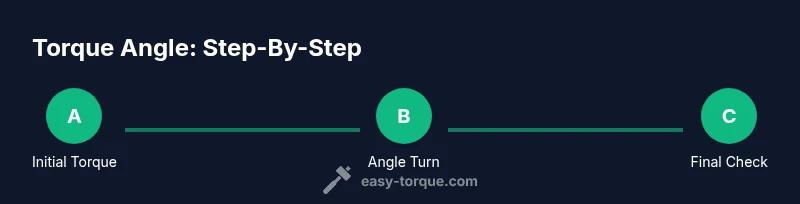
In practical terms, the angle is part of a two-step tightening approach: first reach the initial torque, then rotate to the prescribed angle. This simple framework is powerful when applied consistently across fasteners, especially in critical assemblies such as engine flanges, cylinder heads, or high-stress suspension mounts. The key is to treat angle as an integral part of the torque specification, not as a separate, optional step. By freezing this rule in your process, you minimize the risk of under- or over-tightening joints, which can lead to leaks, fatigue, or bolt failure.
Why the angle matters in automotive and industrial joints
Understanding why the angle matters starts with the concept of clamp load and load distribution. In many high-strength bolts, especially in automotive and industrial applications, the angle turn after reaching initial torque helps accommodate bolt deformation and thread friction, resulting in a repeatable clamp. The torque-to-angle approach helps account for variables like thread pitch, lubrication, and surface finish, which a plain torque measurement might not fully capture. When you adhere to the prescribed angle, you reduce the risk of uneven load distribution, which can cause leaks in flanged joints or fatigue in critical fasteners. As Easy Torque researchers have observed, the angle component often stabilizes the joint under thermal cycling and vibration, promoting long-term reliability. Always compare your real-world readings against your spec sheet, not against a generic rule of thumb. This discipline protects both the technician and the device you’re assembling.
In practice, many engineers use torque-angle specifications for head bolts, flange bolts, and some instance-critical fasteners where final clamping depends on bolt elongation and thread engagement. Recognizing when to apply angle tightening—and when to skip it—helps you choose the right method for each joint. The angle is not a universal replacement for torque; rather, it is a paired instruction that completes the tightening recipe for a given bolt.
How to read and interpret torque-angle specifications
Torque-angle specifications are written as a combination: an initial torque value followed by a rotation angle. The critical task is to interpret these numbers correctly. Look for the exact angle unit (degrees, not revolutions), ensure you’re using the right bolt size and grade, and confirm whether lubrication affects the angle. If the spec states “rotate 45 degrees,” make sure your angle gauge reads the same while maintaining the initial torque—don’t drift beyond the specified point. When a dealer or engineer provides a data sheet, keep it accessible at the workbench and cross-check it against the fastener you’re using. If the angle is expressed as a range (e.g., 20–25 degrees), apply the angle that corresponds to the correct tightening phase for that joint and material. Always re-check the joint after rotation to verify there are no loose fasteners or misalignments.
In contexts where the page or manual discusses a torque-angle method, you’ll often find a table of bolt sizes, recommended lubricants, and service temperatures. These factors influence both initial torque and turning angle. The aim is to capture the final clamp force reliably. A well-documented spec sheet becomes your primary reference—treat it as the authority for your torque-angle work.
Step-by-step: preparing the fastener and joint
Preparation is the foundation of a successful torque-angle procedure. Start by inspecting the bolt, nut, and joint for signs of damage, corrosion, or wear. Clean threads and seating surfaces to remove debris—dirt can mask actual engagement and skew readings. If the spec requires lubrication, apply the recommended coating to the threads and under the bolt head; if the spec calls for dry threads, abstain from lubrication to avoid misreading the angle. Gather all required tools and verify instrument calibration before starting. Finally, review the torque-angle specification that applies to this exact fastener. This upfront step minimizes surprises and keeps you aligned with safety and quality standards.
A practical tip is to annotate the data sheet with the bolt size, grade, lubrication status, and the exact angle to be applied. This keeps your workflow auditable and helps teammates reproduce results. In some cases, temperature and surface finish matter as much as the angle; log ambient conditions as part of the record. By starting with a clean, validated joint and the correct specification, you’ll experience smoother, more repeatable tightening sessions.
Step-by-step: achieving initial torque accurately
The first actionable step in torque-angle tightening is to apply the initial torque to the bolt to the specified value. Use a calibrated torque wrench and verify the reading on a stable surface. Don’t rush the process; hold the wrench steady and observe the target peak torque. If the fastener has multiple washers or spacers, confirm they’re properly seated before continuing. The key is accuracy at this stage because the final angle depends on how well you’ve achieved the initial torque. If the spec includes a torque range, select the closest value within tolerance and proceed. A common mistake is to misread the scale or misinterpret the wrench's hold. Ensure your alignment is correct and your body posture doesn’t introduce bias on the handle.
Pro tip: pre-mark the bolt’s position with a non-permanent marker to help monitor any rotation or movement during the angle turn. This visual cue reduces the chance of missing the angle target, especially on densely packed assemblies. Keep the workspace clean and free of vibration to minimize reading drift.
Step-by-step: rotating to the final angle
With the initial torque established, rotate the bolt to the specified angle using a dedicated angle gauge or the torque wrench’s built-in angle readout. Maintain steady movement and avoid over-rotation. If your spec requires a precise angle, a small deviation can alter the clamp load, so accuracy matters more than speed. After reaching the angle, pause briefly to let the bolt settle, then re-measure the torque if the procedure calls for it. In some cases, you’ll need to complete a light re-torque to the initial setting after the angle turn; follow the data sheet if that’s required. Finally, gently check alignment and seating to ensure proper joint closure without cross-threading or binding.
Safety note: always keep hands clear of moving threads and avoid abrupt wrenching that could strip threads or cause injury. A calm, controlled turn reduces risk and improves repeatability.
Step-by-step: verification, torque checks, and documentation
Verification solidifies the result of the torque-angle process. Recheck the final torque if the spec mandates a re-torque after the angle turn. Confirm that the angle was applied exactly as specified and that there is no binding or misalignment in the joint. Record all readings, including initial torque, angle, final torque, lubricant status, ambient temperature, and bolt identifiers. Documentation is essential for maintenance logs and future inspections. In many facilities, a standardized report template ensures nothing is overlooked. If a joint fails inspection, identify whether the issue is due to improper angle, improper lubrication, or thread damage, and take corrective actions before continuing. A consistent verification routine reduces variance across technicians and shifts.
As a final habit, compare the observed results with your data sheet again to ensure everything matches. Sharing this data within the team improves accuracy and safety across projects. A well-documented process is the backbone of reliability for critical assemblies and helps you defend decisions during audits or warranty evaluations.
Step-by-step: documentation, traceability, and follow-up
Finally, capture the tightening event in your maintenance log with a concise, readable entry. Include the bolt size, grade, location, lubrication status, initial torque, angle, final torque, ambient temperature, and the technician’s initials. If you used a digital tool, export the data to a central repository so others can audit the results later. For threaded joints exposed to vibration or heat, note any observed loosening or creep during the operation and plan follow-ups as recommended by the manufacturer. Documentation not only aids in compliance but also helps in diagnosing issues in subsequent maintenance cycles. If your facility uses a calibration schedule for torque tools, log the calibration date and next due date to ensure ongoing accuracy. Consistent follow-up ensures long-term joint integrity.
Factors affecting accuracy: lubricant, thread pitch, temperature
Several factors can affect the accuracy of a torque-angle tightening sequence. Lubrication reduces friction, which can alter the effective angle required to achieve the same clamping force; always follow the spec's lubrication guidance. Thread pitch or lead influences how far a given rotation translates into bolt elongation, so different fasteners can require different angles. Temperature shifts impact both material expansion and friction coefficients, potentially making a previously correct angle inaccurate. Surface finish, coating, and contamination also play a role. The best practice is to rely on the manufacturer’s data, confirm the angle under real operating temperatures, and adjust only when the spec explicitly allows. Keep a strain gauge or digital measurement device available for more precise monitoring if your application demands it.
Common mistakes and how to avoid them in torque-to-angle work
Common mistakes include assuming the angle is universal across all bolt sizes, ignoring lubrication requirements, and skipping the initial torque check. Another frequent error is failing to reset the angle gauge to zero when starting a new bolt or joint. To avoid these, always read the exact specification for each fastener, verify lubrication needs, and use independent references or a second instrument to cross-check readings. Also, avoid rushing the rotation; angular accuracy matters more than speed. If you’re unsure, pause and re-check the spec sheet, or consult a colleague. Finally, maintain a clean work area to prevent debris from skewing the gauge or causing misreads. With practice and disciplined technique, your torque-angle tightening becomes a reliable, repeatable procedure.
Practical examples: automotive fasteners and machinery bolts
In automotive applications, torque-angle tightening is common at critical joints such as cylinder head bolts, main bearing caps, and some high-strength wheel fasteners where precise clamping is essential. In industrial machinery, flange bolts and tensioned joints often rely on angle tightening to accommodate thermal expansion and load cycles. The core principle remains: follow the exact angle specified, ensure clean threads, verify initial torque, rotate to the set angle, and document the results. Across both domains, the practice reduces the risk of leaks from gaskets, improves rotational stability, and extends service life. By keeping these guidelines in mind, you’ll apply torque-to-angle correctly and consistently, aligning with Easy Torque’s recommendations for quality maintenance.
Tools & Materials
- Torque wrench(Calibrated to the bolt size/grade; verify accuracy before use)
- Angle gauge or torque-wrench with built-in angle readout(Ensure proper zeroing before start)
- Thread cleaner/brush(Clean threads and seating surfaces)
- Lubricant or anti-seize (if specified)(Only apply if the specification calls for lubrication)
- Manufacturer spec sheet or data book(Keep on hand for reference and log entries)
- Marker or chalk for marking(Optional visual aid to monitor rotation)
Steps
Estimated time: 60-90 minutes
- 1
Prepare the joint and fastener
Inspect the fastener and mating surface for damage and cleanliness. Clean threads and seating surfaces, and review the torque-angle spec sheet for the exact bolt and joint. Confirm the lubrication status and gather all required tools.
Tip: Document the exact bolt ID and the environmental conditions before starting. - 2
Apply lubrication if specified
If the spec calls for lubrication, apply it evenly to the threads and under the bolt head as directed. Do not lubricate when the spec requires dry threads, as this will alter the angle and clamp load.
Tip: Record lubrication status in your maintenance log. - 3
Torque to initial value
Set the torque wrench to the initial torque value specified and tighten the fastener until the reading stops changing. Maintain steady pressure and avoid sudden jolts to prevent thread damage.
Tip: Zero the angle gauge and re-check the initial torque after any adjustment. - 4
Rotate to the specified angle
Using the angle gauge, rotate the fastener to the exact angle specified, ensuring the motion is smooth and within tolerance. Pause briefly after reaching the angle to let the bolt settle.
Tip: If you overshoot, stop, back off, and re-tighten to the specified angle. - 5
Re-check and verify
If the procedure calls for a re-torque after the angle, apply it now and re-verify. Inspect alignment and seating, and confirm there is no binding or cross-threading.
Tip: Compare final readings to the spec sheet for consistency. - 6
Document the result
Record initial torque, angle, final torque, lubricant status, and any environmental notes. Save the data for maintenance records and future audits.
Tip: Log the technician, date, and part numbers for traceability.
Your Questions Answered
What is torque-angle tightening?
Torque-angle tightening combines reaching an initial torque with rotating the fastener to a defined angle. This method accounts for friction and deformation to achieve consistent clamp load. Not every bolt requires the angle step; always follow the manufacturer's specification.
Torque-angle tightening combines initial torque with a rotation to a specified angle to ensure consistent clamp load. Always follow the manufacturer’s specs to know if the angle step is required.
When do I need to use an angle after torque?
Only when the specification calls for it. If the spec specifies an angle after the initial torque, apply that angle exactly. If no angle is specified, use standard torque tightening procedures.
Only use angle tightening if the spec requires it. If not specified, follow standard torque steps.
What should I do if the angle is not specified?
Do not apply a rotating angle. Rely on the manufacturer’s torque procedure for that joint and consult the data sheet or an engineer for guidance.
If no angle is specified, don’t rotate to any angle. Stick to the standard torque steps and seek guidance if unsure.
Does lubrication affect the angle target?
Yes. Lubricants reduce friction, which can change the angle needed to achieve the same clamp. Always follow the lubrication instructions in the spec and verify readings afterward.
Lubrication can change the angle needed, so follow the spec and re-check readings.
How do I verify the final torque after angle tightening?
Check the final torque if the spec requires it after the angle turn. Ensure the reading is within tolerance and that the joint is properly seated.
Verify the final torque if specified, and confirm the joint is seated properly.
What should I document after torque-angle tightening?
Document the bolt ID, location, initial torque, angle, final torque, lubrication status, and environmental conditions. This supports traceability and maintenance planning.
Record the bolt, location, initial torque, angle, final torque, and conditions for future reference.
Watch Video
Top Takeaways
- Know the exact torque-angle spec for each joint
- Apply initial torque, then rotate to the specified angle
- Lubrication status affects angle; follow the spec
- Verify and document every tightening event
- Use calibrated tools and reliable data sources