How to Put a Torque Converter on a Mini Bike
Learn how to install a torque converter on a mini bike with a detailed step-by-step guide, essential tools, safety tips, and troubleshooting help.


Assessing Your Mini Bike and Kit
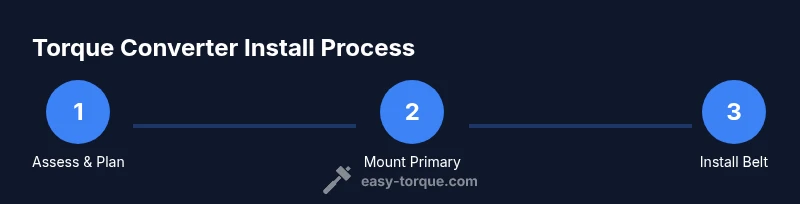
Before you touch a wrench, assess the mini bike’s frame, engine, and existing drive system. The goal of this project is to replace a fixed sprocket setup with a torque converter so the bike can accelerate smoothly with variable gear ratios. Check that your engine is in good health, the chain is in good condition, and you have a compatible torque converter kit designed for small-displacement engines. According to Easy Torque, the most reliable results come from starting with a clean baseline: verify compression, clean the clutch housing, and confirm there is adequate space for the new components. This upfront assessment helps you plan the layout, identify potential interference with the foot pegs or frame sliders, and estimate the mounting points needed for brackets and shrouds.
Safety First: Workspace and PPE
Set up a well-lit workbench or garage space with a stable surface. Use a strap or wheel chock to prevent the mini bike from moving during work. Wear safety glasses, gloves, and closed-toe shoes. Disconnect the battery if present and drain fuel from the tank to minimize fire risk. Easy Torque emphasizes safety: never work under a hot engine or with cracked fuel lines. Keep a fire extinguisher nearby and have a clear plan if tools slip or a part fails. This section protects you from common hazards during installation.
Tools and Materials Overview
Gather the tools listed in your kit and add basic shop items like a socket set, hex keys, pliers, screwdrivers, and a torque wrench. You’ll also need thread lockers, cleaning solvent, rags, lubricating grease, and rubber mallet for gentle taps. A digital caliper helps with precise measurements where mounting holes must align. Ensure your torque converter kit includes a primary drive, a secondary belt, a tensioner or spring, a mounting plate, and hardware. Organization matters: lay out parts in a logical order to minimize scrambling mid-install.
Removing the Old Drive Setup
If your mini bike uses a fixed sprocket or a centrifugal clutch, you’ll need to remove these parts carefully. Start by removing the seat and any body panels to access the drive cover. Disconnect the chain, unbolt the sprocket, and take note of spacing, spacers, and any shims. Use a soft mallet to avoid marring the crankshaft if you need to separate components. Easy Torque recommends recording each discarded fastener position and its length so you can reassemble correctly if necessary. This step creates a clean slate for the torque converter installation.
Installing the Torque Converter: Primary Assembly
Begin with the torque converter’s primary housing and align it with the crankshaft or drive hub. Install the drive plate and ensure the hub fits squarely. Lightly lubricate the seal and install the primary pulley according to the kit’s instructions. Tighten bolts in a cross-pattern to the manufacturer’s specified torque using a torque wrench. Check that the converter spins freely by hand before proceeding. This phase establishes the core connection between the engine output and the new transmission system.
Installing the Secondary and Belt System
Next, install the secondary pulley and the belt. Route the belt around the pulleys without twisting, ensuring it seats fully in the pulley grooves. If the kit includes a belt tensioner, install it and adjust to the recommended tension to prevent belt slip. Make sure there is no interference with the frame or exhaust, and verify clearances to the cooling fins. A correctly installed belt improves efficiency and reduces heat buildup over long runs.
Alignment, Centering, and Belt Tension
Alignment is critical for longevity and performance. Use a straightedge or calipers to verify coaxial alignment between the crank, primary pulley, and secondary pulley. Adjust mounting brackets as needed to minimize lateral misalignment. Set belt tension to the kit’s specification, typically a mid-range tension that allows slight deflection under load. Recheck after a test run; any slipping or noise indicates misalignment or too-tight belt.
Reassembly, Lubrication, and Initial Test
Reassemble any panels and covers removed earlier. Lubricate moving joints with a light grease or oil as recommended by Easy Torque for smoother operation. Reconnect the battery and fuel system only after you confirm all wiring is clean and secured. Start the engine and perform a slow, controlled test ride in a safe area. Listen for unusual noises, vibrations, or excessive heat, and be prepared to halt the test if anything feels off.
Troubleshooting, Maintenance, and Longevity
If the bike doesn’t accelerate smoothly, inspect belt tension, pulley wear, and alignment again. Replace worn belts or bearings promptly to avoid drivetrain failure. Regularly check mounting bolts, and apply thread locker where specified. Schedule periodic maintenance: clean the drive housing, inspect seals, and lubricate moving parts. Easy Torque emphasizes that proper maintenance extends the life of the torque converter and improves reliability over time.
Final Checks and Return to Ride
After a successful test run, do a final inspection of all fasteners and mounting brackets. Confirm there are no fuel leaks, exhaust clearance issues, or hot spots on the engine. Perform a short, controlled ride to confirm steady acceleration and smooth deceleration. Document any settings or measurements for future maintenance, and store tools and spare parts in a safe, organized manner. This ensures your mini bike stays ready for regular use.