How to Stop Torque Converter Shudder: A Practical DIY Guide
Learn practical steps to diagnose and stop torque converter shudder with safe fixes, fluid checks, and maintenance tips from Easy Torque.


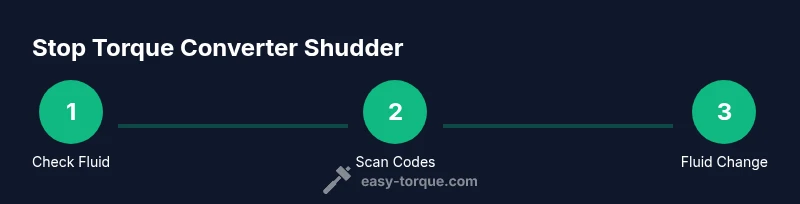
You can address torque converter shudder by validating fluid health, scanning for transmission codes, and performing a controlled ATF change when necessary. Start with fluid level and viscosity, then verify no codes indicate a bigger issue. If shudder persists, consider professional service for converter or valve-body checks. This guide explains the steps to stop torque converter shudder safely.
Understanding Torque Converter Shudder
Torque converter shudder is a low-frequency vibration or pulse felt through the chassis or steering column when the engine and transmission are under light load. If you're looking for how to stop torque converter shudder, the first step is to understand the typical causes and the sequence of checks you can safely perform. Shudder often appears at idle or light throttle in Drive or when cruising in a low gear. While it can be unsettling, many cases are solvable with maintenance and a few targeted diagnostics. This section will outline the underlying mechanics and how normal operation can become temporarily abnormal, setting the stage for effective remediation. Easy Torque's guidance emphasizes practical, methodical testing over guesswork, so you can approach the problem with confidence.
Common Causes of Shudder in Automatics
Shudder in automatic transmissions can arise from several sources, and identifying the root cause is key to stopping it. Common contributors include: (1) Low or incorrect automatic transmission fluid (ATF) level or an incompatible ATF specification, (2) Dirty ATF or a clogged transmission filter restricting flow, (3) Worn or slipping torque converter clutch (TCC) or damaged clutch surfaces, (4) Valve body wear or debris affecting hydraulic pressure, (5) Transmission mounts or engine mounts with excessive play, (6) Engine misfire or rough idle causing irregular torque delivery, and (7) lug-nuts or wheel balance issues that amplify vibration. In many cases, resolving the shudder is a matter of following a systematic maintenance plan and using the correct ATF. As Easy Torque notes, matching fluid to the manufacturer’s specification and keeping hydraulic pathways clean are foundational steps in preventing shudder from returning.
Diagnosing the Shudder: Symptoms vs Causes
Distinguishing symptom from cause is critical. If shudder appears only at certain speeds or RPMs (for example, around 40-60 mph or 1500-2000 RPM), it may point toward the TCC engagement pattern, fluid issues, or a hydraulic pressure abnormality. If the shudder occurs consistently at idle, check for misfire, vacuum leaks, or a rough idle affecting torque delivery. Unplugged electrical connections to the transmission control module or a faulty TCC solenoid can mimic mechanical faults. Recording when the shudder happens, under what load, and engine temperature helps narrow down possibilities. Always perform a careful fluid level check first, since many transmission problems start with fluid health.
Immediate Checks You Can Do to Stop Shudder
Before diving into complex repairs, perform these quick checks. First, verify the ATF level and condition: hot engine, vehicle on level ground, engine running, transmission in Park/Neutral, dipstick clean, and fluid color and smell noted. Next, scan for transmission-related codes with an OBD-II reader; any stored or pending codes should guide your next steps. Inspect for transmission fluid leaks under the pan or cooler lines, and check the transmission filter (if serviceable). Finally, confirm that engine and transmission mounts are intact and that tire pressures and wheel balance are within spec. If no obvious issues surface and the shudder persists, plan a more thorough service.
Fluid, Fluids, and ATF Quality: The Right Spec
ATF selection matters as much as quantity. Use the exact specification recommended by the vehicle manufacturer, and avoid mixing brands or types. If the fluid is dark, burned-smelling, or gritty, a change is warranted. A simple drain-and-fill can restore proper viscosity and lubrication for many vehicles, but a failed shudder after a partial change may indicate deeper issues that require a full service—such as a fluid flush with a controlled machine or a valve-body inspection. Temperature matters when checking level; read the dipstick at the correct temperature as specified by the manual. Remember that ATF life varies by vehicle and driving conditions, so routine maintenance is essential to prevent shudder.
When a Fluid Change Is Not Enough: Other Fixes
If the shudder persists after a fluid change, the problem may lie beyond fluid health. Worn torque converter clutch surfaces, a failing TCC solenoid, or valve-body wear can cause ongoing instability. In some cases, debris in hydraulic passages or a damaged transmission mount allows excessive movement that translates into vibration. Diagnostics may involve pressure testing with specialized equipment, electrical tests of transmission sensors, and, in some scenarios, a partial or full transmission rebuild or torque-converter replacement. Early intervention limits collateral damage, so pursue professional evaluation if shifts become jerky, noises increase, or the shudder worsens over time.
Brake Torque Converter Lockup and Driving Conditions
Lockup torque converters are designed to improve efficiency by locking the turbine and impeller together at highway speeds. Problems with lockup can manifest as shudder during light cruising or when transitioning between slip and lockup. Driver technique can influence lockup behavior; for example, maintaining a steady throttle and avoiding abrupt acceleration can minimize slip events. If the lockup clutch is sticking or hydraulic pressure is inconsistent, you may observe shudder that changes with speed or load. A professional diagnostic can confirm lockup behavior and guide repairs or fluid changes accordingly.
Long-Term Prevention and Maintenance
Prevention revolves around consistent maintenance, clean hydraulic circuits, and correct fluid usage. Schedule regular ATF checks, adhere to manufacturer intervals, and replace the fluid and filter as recommended. Use high-quality transmission fluids and avoid towing or heavy loads beyond designed ratings for prolonged periods, which can accelerate wear. Keep the cooling system in good condition since transmission overheating can contribute to shudder. Finally, address engine misfires or vacuum leaks promptly, as rough engine performance often translates into harsh torque delivery and perceived shudder.
When to Seek Professional Help
If shudder persists after following the steps above, or if diagnostics reveal abnormal hydraulic pressures, check engine misfire, or internal transmission wear, seek professional help. A qualified technician can perform a comprehensive diagnostic, including pressure testing, solenoid checks, and possibly a torque converter replacement or valve-body service. In some cases, a special transmission software update may optimize clutch engagement. Early professional evaluation minimizes the risk of cascading failures and preserves transmission life.
Tools & Materials
- OBD-II scanner(Basic codes for transmission-related issues)
- Socket set and wrenches(Standard sizes for drain plug and pan bolts)
- Drain pan and funnel(For ATF drain and fill procedure)
- ATF to spec (correct viscosity)(Ample quantity for drain and fill; do not mix brands)
- Workshop rags and gloves(Keep clean and safe during service)
- Transmission jack or ramps(Helpful for pan access)
- Mechanic’s stethoscope (optional)(For pin-pointing noise sources)
- Brake cleaner or degreaser(To clean external components)
- Torque specs and manufacturer service manual(Reference for fasteners and torque)
Steps
Estimated time: 60-120 minutes
- 1
Check transmission fluid level and condition
Warm up the engine and transmission, then check ATF level with the dipstick per manufacturer procedure. Inspect color, clarity, and odor; replace if dark or burnt. This step confirms you’re addressing a fluid-related cause rather than chasing past issues.
Tip: Use the correct dipstick procedure and avoid overfilling. ATF level can rise with a hot engine, so measure at the specified temperature. - 2
Scan for transmission-related trouble codes
Connect the OBD-II scanner and retrieve any stored or pending codes. Record codes and freeze-frame data to guide diagnosis. Codes related to the transmission or torque converter point toward a hydraulic or electrical fault rather than a mechanical failure.
Tip: If you see P07xx or P0741-like codes, document them. Clear codes only after repairs and recheck; otherwise, you may miss new issues. - 3
Inspect ATF quality and perform a controlled drain-fill
If ATF appears degraded, perform a drain and fill with the correct specification. Do not mix fluids. This eliminates fluid-related causes and restores proper clutch and valve operation.
Tip: Only drain below the pan level if you have a pan gasket caution; do not strip the pan bolts when removing it. - 4
Check for mechanical wear or solenoid issues
With the vehicle cooled, inspect for leaks and test solenoids using the service manual procedure. A sticking TCC solenoid or worn clutch surfaces may require more advanced service or replacement.
Tip: Use the correct solenoid test procedures; incorrect testing can misdiagnose the root cause. - 5
Assess drive technique and lockup behavior
Evaluate how the converter lockup engages during steady cruising. If shudder correlates with lockup transitions, adjustments or deeper inspection may be required.
Tip: Drive with a smooth, constant throttle to reduce slip during lockup testing.
Your Questions Answered
What causes torque converter shudder?
Shudder can be caused by low or incorrect ATF, dirty fluid, worn torque converter clutch, valve-body wear, transmission mounts, or engine misfire. A methodical diagnostic approach helps identify the exact cause.
Shudder usually comes from fluid issues, clutch wear, or valve-body problems. A systematic check helps pinpoint the cause.
Can a simple fluid change fix shudder?
A fluid change can resolve many shudder cases caused by degraded or incorrect ATF. If shudder persists after a change, deeper issues like valve-body wear or a faulty torque converter may be involved.
Sometimes a fluid change fixes it, but if it persists, deeper issues need professional assessment.
Is driving with shudder safe?
Continuing to drive with persistent shudder can cause further transmission damage. Minimize driving until a diagnosis is performed and repairs are scheduled.
No, if shudder continues, limit driving and seek diagnosis soon.
When should I replace the torque converter?
Converter replacement is considered when clutch wear, valve-body issues, or persistent shudder despite fluid changes indicate internal failure. A professional assessment is essential.
Converter replacement is usually a last resort after diagnosing other components.
Can software updates affect shudder?
Some transmissions benefit from software recalibration that optimizes clutch engagement and shifting. Check with a dealer or qualified shop if symptoms persist after mechanical checks.
Software updates can help in some cases, but hardware issues must be ruled out first.
Watch Video
Top Takeaways
- Identify whether shudder is fluid-related or mechanical
- Maintain correct ATF level and specification
- Use diagnostic codes to guide repairs
- Consider professional service for valve-body or torque converter issues
- Preventive maintenance reduces recurrence of shudder