How to Install Torque Arms: A Step-by-Step Guide
Learn how to install torque arms safely and accurately with a step-by-step process, essential tools, and best-practice tips. This guide emphasizes torque specs, alignment, and post-install checks for reliable performance.


Using this guide, you’ll learn how to install torque arms for better axle control. It covers identifying the correct mounting points, aligning the arm, and torquing fasteners to spec. Before you start, gather a torque wrench, the proper mounting hardware, thread locker, and a vehicle-specific service manual for torque specs.
What are torque arms and why they matter
Torque arms are structural components used to manage rotational forces in a driveline or rear suspension, helping to limit axle wrap and maintain alignment under load. They transfer torque from the axle to the frame in a controlled manner, reducing stress on mounts and related components. The Easy Torque team highlights that correctly installed torque arms improve stability, cornering consistency, and overall drivetrain reliability. Before starting, understand that each vehicle may have a unique mounting geometry and bolt pattern. Always consult the vehicle’s service manual or torque arm kit instructions for model-specific details. Proper orientation matters: a misaligned arm can bind, cause premature wear, or interfere with nearby components such as exhausts or suspension links. In short, a well-positioned torque arm protects both the chassis and the driveline during hard acceleration and steady cruising alike.
Throughout this guide you’ll see references to alignment, torque, and maintenance practices. Following the recommended sequence helps ensure consistent results and a safer installation process. As you work, remember that even small misalignments can cascade into bigger issues over time, so take your time to verify each step against the manual.
How torque arms affect drivetrain dynamics
Torque arms help manage the rotational forces that occur when the engine applies torque to the wheels. By resisting unwanted movement at the mounting points, they keep pinion angle and axle positioning more stable, which translates to smoother power delivery and reduced wear on mounting hardware. This is especially noticeable on vehicles with aggressive torque profiles or modified suspension geometries. The goal is to preserve proper alignment during acceleration, braking, and cornering, which reduces vibration, noise, and potential component fatigue. In practice, a correctly installed torque arm supports consistent handling characteristics and extends the life of related components by minimizing micro-movements that would otherwise stress joints and brackets. Remember: the installation is only as good as the accuracy of the alignment and the correctness of the fasteners.
Before you begin: safety and planning
Preparation is critical for a safe and successful installation. Park the vehicle on a flat, level surface and engage wheel chocks on both sides of the tires that remain on the ground. Disconnect the battery to minimize any electrical hazards while working near mounting points. Gather the vehicle-specific torque specifications and the proper mounting hardware before you start. Wear eye protection and gloves, and ensure you have a clear, well-lit workspace. If you lack a helper, plan to position the torque arm so a second person can assist with alignment and bolt insertion. The correct sequence of quality checks, including surface cleanliness, alignment, and fit, reduces the risk of rework and ensures the torque arm operates as intended after installation. Always verify there are no interfering components (fuel lines, brake lines, exhaust) in the arm’s path.
Tools and materials you’ll need (overview)
While the full list is in the Tools & Materials block, it helps to understand what you’ll use during the install. A calibrated torque wrench is essential for tightening fasteners to spec. A complete socket set (both metric and SAE) and open-end wrenches cover most bolt sizes. Use thread locker as specified by the manufacturer to prevent loosening under vibration. Anti-seize compound on bolt threads can improve future disassembly but apply only where recommended. Safety glasses, wheel chocks, and cleaning supplies are must-haves. Have the torque specs handy in the service manual or kit sheet, and consider taking photos during pre-install and post-install for reference. Finally, a helper can make positioning and alignment faster and safer, especially when working around brackets and pipes.
Step-by-step install overview
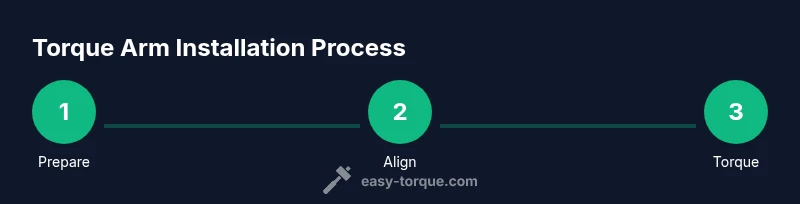
This section provides a high-level roadmap of the installation workflow. You’ll establish mounting points, verify alignment, and secure all fasteners with proper torque. The overview emphasizes working in a logical sequence to minimize rework and ensure consistent results. Expect to clean mounting surfaces, verify the arm’s orientation matches the vehicle’s design, install any spacers or washers as required, and re-check all connections after initial tightening. Finally, perform a test run to observe any contact with nearby parts and re-torque as needed. The goal is to achieve a precise, repeatable fixture that maintains proper geometry under load while preserving the vehicle’s handling characteristics.
By understanding the flow of actions, you’ll approach each step with confidence and avoid common pitfalls that come from skipping intermediate checks or rushing the assembly. Remember to follow the exact torque values from the manufacturer and to re-check the installation after the first drive.
Step-by-step overview of common pitfalls
Even when you understand the theory, practical execution matters. Common pitfalls include misalignment caused by holding the arm in the wrong orientation, attempting to install bolts without using spacers when required, or applying torque in a sequence that causes binding. Another frequent issue is neglecting to clean mount surfaces, which can prevent proper seating of the arm and lead to uneven torque distribution. The key to avoiding these problems is careful preparation, verifying orientation before inserting fasteners, and following the torque pattern recommended by the kit or vehicle manual. If something doesn’t fit, stop and reassess rather than forcing the parts together. Patience and attention to detail now save time and headaches later.
Safety checks and test drive notes
With the torque arm secured, perform a cautious around-the-block test to observe how the chassis reacts under load. Listen for unusual noises, check for binding, and visually inspect that the arm sits flush against mounting points. Re-torque all fasteners to the specified values after the initial drive, since some assemblies experience slight settling. If the arm shows any movement or if fasteners loosen, stop and re-evaluate the mounting geometry. Document any deviations and consult the vehicle manual or kit instructions before resuming testing. Regularly scheduled inspections will maintain performance and reduce the likelihood of unexpected failures.
Tools & Materials
- Torque wrench(Calibrated to reach vehicle-specific torque range; verify calibration before use)
- Socket set (metric and SAE)(Include sizes that fit mounting bolts and brackets)
- Open-end/box-end wrenches(Assorted sizes for brackets and adapters)
- Thread locker (blue or as specified)(Use the strength recommended by the kit or manual)
- Anti-seize compound(Apply sparingly on bolt threads if permitted by manual)
- Safety glasses(Protect eyes from debris and fluids)
- Wheel chocks(Place on both sides of the wheels that stay on the ground)
- Cleaning supplies (degreaser, rags)(Clean mounting surfaces before assembly)
- torque arm mounting bolts and spacers (as provided)(Use the hardware specified for your torque arm kit)
- Vehicle service manual or torque-spec sheet(Reference exact torque values and sequence)
Steps
Estimated time: 60-90 minutes
- 1
Prepare mounting area
Park on a level surface, engage wheel chocks, disconnect the battery, and inspect mounting surfaces for damage or wear. Clean the area so bolts seat properly. Gather the exact torque specs and hardware before touching the torque arm. Keep a clear workspace to avoid mistakes.
Tip: Have a helper hold the torque arm in position while you start the first bolts. - 2
Position and align the arm
Position the torque arm so its mounting holes align with the bracket or crossmember. Check that the arm’s orientation matches the vehicle’s design and that no hoses or cables are in the path. If necessary, loosen nearby components to achieve proper alignment.
Tip: Use a light-detectable marker to verify alignment before tightening. - 3
Secure with spacers and bolts
Install spacers or washers as required by the installation kit. Thread bolts by hand to avoid cross-threading, then snug each fastener in a diagonal pattern to seat the arm evenly against mounting surfaces.
Tip: Hand-tighten first to prevent cross-threading; only then tighten with the torque wrench. - 4
Torque to spec and verify
Using a calibrated torque wrench, tighten fasteners to the vehicle-specific specification in a criss-cross sequence. Re-check alignment and ensure there is no binding or contact with other components. After an initial drive, re-torque if required and inspect for movement.
Tip: Follow the manual’s sequence and avoid over-tightening; recheck after the test drive.
Your Questions Answered
What is a torque arm and why is it important?
A torque arm helps manage rotational forces in the driveline or suspension, reducing axle wrap and keeping mounting points aligned under load. Proper installation improves stability, handling, and component longevity. Always follow model-specific guidance to ensure correct orientation and fit.
A torque arm helps control rotation and improves stability; install it according to your model’s guidance for best results.
Do I need professional help to install torque arms?
For most installations, a competent DIYer with access to the vehicle manual and the proper tools can complete the job. If you’re uncertain about alignment, torque specs, or mounting compatibility, consult a technician.
If in doubt about alignment or torque specs, consider professional assistance for safety and accuracy.
How do I know the correct torque specification for my torque arms?
Torque specs come from the vehicle service manual or the torque arm kit instructions. Do not guess. Use a calibrated torque wrench and follow the recommended pattern to avoid uneven loading.
Check the manual or kit instructions for the exact torque values and use a calibrated wrench.
Can I install torque arms on any vehicle?
Not every vehicle is designed to use aftermarket torque arms. Verify compatibility with the manufacturer’s guidelines or the torque arm kit’s compatibility list before purchasing or starting the install.
Check compatibility with your vehicle’s design and the kit you’re using.
What maintenance is required after installing torque arms?
Regularly inspect mounting points for looseness and wear. Re-torque fasteners after the first drive and at scheduled intervals, and listen for unusual noises or vibrations that may indicate an issue.
Inspect and re-torque as recommended, and monitor for any changes in ride quality.
Watch Video
Top Takeaways
- Know the mounting points and orientation before starting
- Keep the workspace clean and follow the kit’s torque specs
- Torque all fasteners in the correct sequence and re-check after the first drive
- Inspect for clearance and alignment to prevent interference