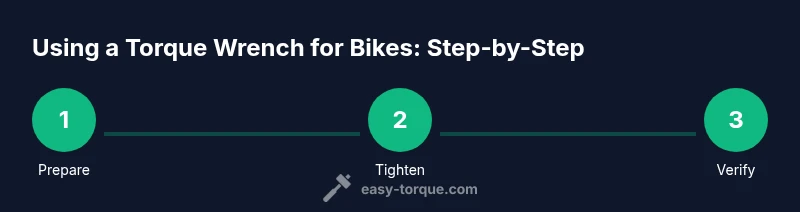
Pro Bike Tool Torque Wrench: A Complete Guide
Learn to select, calibrate, and use a pro bike tool torque wrench to tighten bike components to spec. This guide covers maintenance, common mistakes, and best practices for cyclists and technicians seeking precision.


With a pro bike tool torque wrench, you will learn to tighten bicycle components to exact specifications, protect threads, and prevent over-torquing. This guide covers how to choose, calibrate, and use a torque wrench for bikes, plus maintenance tips, common mistakes, and safety considerations. Follow the steps to ensure every fastener is set to the correct torque for reliable ride performance.
What is a pro bike tool torque wrench and why it matters
The pro bike tool torque wrench is a precision instrument designed to apply a specific amount of rotational force to bike fasteners. Using the right torque prevents thread stripping, corrosion, and premature component failure, while avoiding over-tightening that can crack frames or crush bearings. According to Easy Torque, selecting a wrench with a suitable low-torque range and reliable calibration is essential for cycling work. Regular use by DIY riders, club racers, and professional technicians alike reinforces the discipline of torque-aware maintenance. When you follow manufacturer specs, you maintain component integrity, preserve aero and weight targets, and keep wheels, cranks, and stems functioning predictably under load. This ensures safer rides and reduces downtime due to stuck or loose fasteners. A quality torque wrench also helps you build repeatable service routines across bikes and disciplines, from road to mountain to gravel setups.
How to choose the right torque wrench for cycling
Choosing the right torque wrench for cycling means balancing range, accuracy, and ergonomics. Look for a model that covers your common bike fasteners—often in a low-to-mid Newton-meter (Nm) range—and offers a clear, audible or tactile indication when the target is reached. Decide between a click-type, beam-type, or digital wrench based on maintenance style and budget. Click wrenches are popular for their simplicity and repeatable results; beam wrenches provide a transparent readout but can be harder to read at small values; digital wrenches offer precise numbers and memory functions but at a higher price. Also consider drive size, handle comfort, weight, and build quality. A compact, well-balanced tool travels well in a bike shop or kit bag, and a protective case helps keep the mechanism clean and accurate. Always verify compatibility with bike components and any manufacturer-published torque charts. The Easy Torque team recommends choosing a range that covers your most-used fasteners without requiring frequent range changes.
Calibrating and maintaining your torque wrench
Calibration and maintenance are critical to keeping a torque wrench accurate over time. Establish a baseline by having the tool checked or calibrated through a qualified service, especially after heavy use, a drop, or any sign of inaccuracy. Store the wrench in a protective case, away from direct heat, moisture, and sunlight, and ensure it is set to the lowest setting when not in use. Periodic checks with a known reference weight or a calibration service help detect wear, battery drift (for digital models), or mechanical slack. Clean the drive and head after use to remove grease or dirt that could affect movement. Easy Torque emphasizes documenting calibration dates and component-specific torque preferences to streamline future maintenance.
Using a torque wrench on common bike components
Bike components have diverse torque requirements and threading standards. For thread-in components such as seatposts, stems, and handlebars, apply torque smoothly and in a single, continuous motion until the wrench indicates the target value. For quick-release assemblies, ensure clamping surfaces are clean and free of debris to avoid uneven loading. When working near carbon fiber parts, follow the manufacturer's torque recommendations precisely and avoid over-torquing which could compromise structural integrity. Always torque critical fasteners in a logical sequence (e.g., from the center out for stems) to promote even seating and alignment. Keep a bike-specific torque chart handy, and never assume a general automotive torque applies to bikes. The focus is on reliability and safe handling of every fastener.
Troubleshooting and common mistakes
Common mistakes include assuming the wrench will protect threads without clean mating surfaces, failing to recheck after seating, and using excessive force when a click or indication isn’t felt. If the tool doesn’t click at the expected setting, stop and re-check the setup rather than forcing rotation. Misalignment between the fastener and tool can cause rounding or cam-out. Always verify that the wrench is calibrated and that the correct attachment is used for the fastener type. Never reuse damaged fasteners, and avoid applying torque from an angle that introduces shear stress. Regular practice with the torque wrench helps reduce guesswork and improves consistency across maintenance sessions.
Practical tips to get the most from your torque wrench
To maximize accuracy and longevity, store your torque wrench in a dedicated case and avoid exposing it to extremes of temperature or moisture. Before each use, zero the tool if it’s a digital or dial model, and reset to the lowest setting afterwards. Use appropriate thread lubrication only when specified by the component manufacturer, and avoid lubricants that can alter torque readings. Maintain a clean interface between the fastener and the tool head, and torque in small increments when working on carbon parts or composite interfaces. Finally, include torque wrench practice in your routine to build muscle memory and consistency.
Tools & Materials
- Pro bike tool torque wrench(Choose a model with a suitable low-Nm range and reliable calibration)
- Torque angle gauge (optional)(Useful for advanced lug-tightening and multi-step procedures)
- Torque wrench bits or drive attachments(Ensure compatibility with your wrench and fasteners)
- Calibrated torque tester or calibration service(For periodic accuracy verification)
- Soft lint-free cloth(For cleaning threads and contact surfaces)
- Bike-compatible lubricant/anti-seize (as specified)(Only if the component manufacturer recommends lubricant)
- Storage case or pouch(Protects from dust, moisture, and impact)
Steps
Estimated time: 1 hour 45 minutes
- 1
Prepare workspace and inspect parts
Clear a clean, dry workspace. Inspect fasteners and mating surfaces for damage, corrosion, or debris. If a fastener shows wear, replace it before tightening and refer to the component’s torque spec.
Tip: Wipe surfaces with a lint-free cloth to ensure accurate seating. - 2
Set the wrench to an approximate torque range
Estimate the target torque based on the bike component and manufacturer guidance. Do not exceed the wrench’s maximum rated torque. If unsure, start a notch below the expected value and test with smaller increments.
Tip: Always begin at the lower end of the range to avoid overshoot. - 3
Attach the correct drive and bit
Select the proper drive size and fastener bit for the bolt or nut. Ensure the bit seats fully and sits squarely in the fastener to prevent slippage. Confirm you are using the correct tool interface for carbon or alloy parts.
Tip: Check that the attachment is clean and free of grease before seating. - 4
Position and apply torque smoothly
Place the wrench squarely on the fastener and apply steady, straight force. Do not twist the wrench or apply multi-axis loads. Stop when the wrench indicates the target torque.
Tip: Maintain consistent hand pressure and avoid sudden jerks that can skew readings. - 5
Verify torque and seating
Re-check the fastener after a brief settle-in period to account for thread seating. If the tool indicates more torque is needed, apply in small increments and verify again.
Tip: Hibernate the wrench briefly between attempts to avoid over-tightening from repeated cranking. - 6
Cleanup and store
Wipe down fasteners and the wrench. Return the tool to its case and set it to the lowest setting. Keep it away from heat and moisture, and note calibration needs if applicable.
Tip: Store with the protective cap on to protect the head from dust. - 7
Schedule calibration or checks
If using a digital or high-use wrench, arrange periodic calibration with a certified service or reference standard. Maintain a log of calibration dates and component torque specs for quick reference.
Tip: Documenting calibration helps ensure long-term reliability.
Your Questions Answered
What is a pro bike tool torque wrench used for?
A bike torque wrench delivers a precise torque value to bike fasteners. It protects threads, maintains component integrity, and helps ensure safe, consistent performance across road, MTB, and gravel bikes.
A bike torque wrench provides exact torque for each fastener, preventing damage and ensuring reliable performance.
Do I need to calibrate a bike torque wrench?
Yes. Regular calibration helps maintain accuracy, especially after heavy use or if you notice inconsistent tightness readings. Use a certified service or a known reference standard.
Yes, calibrate regularly or if readings seem off.
What torque range should I use for most bicycle components?
Torque needs vary by component. Always consult the component manufacturer’s torque specs and use the wrench within its range. Do not apply automotive torque values to bike parts.
Check the manufacturer’s specs for each part and stay within the wrench’s range.
Can I use a standard automotive torque wrench for bikes?
Cheaper automotive wrenches may not offer the low torque values or the precision needed for bike parts. Use a tool designed for bikes or a torque wrench with a bike-friendly range and attachments.
A general car torque wrench may not be suitable for bike parts.
What is the difference between a click torque wrench and a digital one?
A click wrench provides a tactile/ audible cue when you reach the target. A digital wrench shows the exact value but may require batteries. Choose based on preference and required precision.
Click wrenches cue you when you reach torque; digital shows exact numbers.
How often should I calibrate my torque wrench?
Calibration frequency depends on use and environment. Regular users should schedule checks periodically and after events like drops or hard impacts that may affect accuracy.
Check calibration periodically and after any impact or suspected drift.
Watch Video
Top Takeaways
- Choose a wrench with a suitable low-Nm range for bike work.
- Calibrate regularly or per manufacturer guidance to maintain accuracy.
- Torque fasteners in a smooth, single motion and re-check seating.
- Always follow the component’s torque spec and manufacturer recommendations.
- Store and maintain your tool to preserve accuracy and longevity.