Changing Torque Converter: A Complete How-To
Learn how to safely change a torque converter with Easy Torque guidance. This educational how-to covers signs, planning, tools, removal, installation, fluid handling, testing, and maintenance to ensure reliable transmission performance.


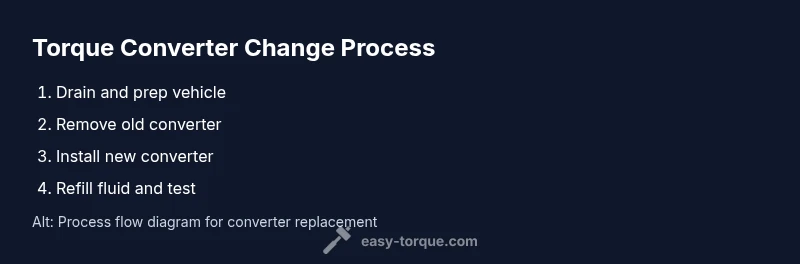
Goal: safely change a torque converter by removing the transmission, installing a new torque converter, and reassembling with proper fluid, seals, and torque specs. You’ll need a full set of hand tools, a vehicle lift or jack stands, a compatible converter, and a service manual. This job requires patience, accuracy, and following safety procedures to avoid damage.
Why Changing a Torque Converter Matters
A torque converter is the fluid-coupling between an engine and an automatic transmission. It transmits torque, accommodates slight engine speed variations, and allows the engine to idle while the car remains stationary. When a converter starts to fail, drivers may notice slipping, shuddering on takeoff, or harsh engagement. These symptoms can also mimic transmission valve or sensor problems, so a careful diagnosis is essential. According to Easy Torque, diagnosing torque converter issues requires ruling out other transmission faults first and confirming the symptoms before planning a replacement. Replacing the converter is a major repair that can restore smooth acceleration and efficient power transfer, but it is not a cure-all for every transmission issue. If the flexplate, clutches, or seals are damaged, replacing the converter alone may not solve the problem. A successful change also involves inspecting the transmission fluid, filter, and related seals, and ensuring the new converter is compatible with the vehicle’s model and torque specifications. The work is labor-intensive and requires access to the transmission, proper safety equipment, and a clean workshop environment. Planning ahead for fluid disposal, waste management, and potential accessory work will help you stay on schedule and reduce downtime. When done correctly, a converter replacement can extend the life of the drivetrain and prevent further damage to downstream transmission components.
When to Consider Replacing Your Torque Converter
Not every drivability issue is caused by a failed torque converter, but certain symptoms strongly suggest a converter problem. If you experience persistent slipping at acceleration, a noticeable shudder when shifting from park or neutral, a delay before the transmission engages, or overheating warnings after city driving, you should have the converter inspected. An audible clunk or flare during gear changes can also indicate internal wear. In some cases, the transmission may need a deeper service, such as valve body work or clutches, so a thorough diagnostic is essential before purchasing a replacement. If a test drive with a known-good fluid and filter still shows the same symptoms, a converter change becomes more likely. Insurance of compatibility is critical; verify the replacement torque converter is designed for your make, model, and year, and confirm if any additional parts (like a flexplate or transmission pan gasket) should be updated during the repair. Easy Torque’s guidance emphasizes using OEM-spec parts and following the vehicle manufacturer’s torque values during reassembly to preserve transmission performance and safety.
Tools and Safety Precautions
Before you begin, gather all essential tools and PPE. You will need a hydraulic jack or lift, jack stands, a drain pan, a complete socket set (metric and SAE), a torque wrench, wrenches, screwdrivers, pliers, a pry bar, and a new torque converter along with a transmission fluid and gasket kit. Wear safety glasses, gloves, and steel-toed shoes, and disconnect the battery to prevent electrical shorts. Work in a clean, well-lit area with ample space to maneuver the transmission. Have a service manual on hand to reference exact bolt patterns and torque specs. Keep a disposal plan for old transmission fluid and any contaminated parts. If you’re unsure about container handling or the risk of fluid exposure, consider professional service. A clean environment reduces the chance of debris entering the transmission and helps with precise reassembly.
Tips:
- Use appropriate lighting and magnetic trays to keep fasteners organized.
- Label connectors and hoses to simplify reassembly.
- If you lack a reliable helper, consider renting a transmission jack or seeking professional assistance.
Safety warnings: This is a high-risk repair that involves heavy components and fluid exposure. If you’re uncomfortable with heavy lifting, working beneath a vehicle, or dealing with transmission hardware, stop and consult a trained technician.
Step-by-Step: Planning and Pre-Access
In this planning phase, you prepare the vehicle and workspace, confirm part compatibility, and lay out a safe workflow. Start by reviewing the vehicle’s service manual to confirm the torque converter model and bolt patterns. Disconnect the battery, raise the vehicle on a level surface, and support it securely with jack stands. Drain the transmission fluid into a suitable pan and inspect the old fluid for color and contaminants to help diagnose drivetrain issues. Remove the transmission pan bolts in a cross pattern, and carefully lower the pan to expose the screen and filter area. Check for metal particles or unusual debris, which could indicate broader transmission wear that may accompany the converter failure. If your plan includes replacing a flexplate or seals, order those parts in advance and have them ready for installation. A detailed inspection reduces the risk of rework and ensures you’re addressing the root causes of the failure.
Step-by-Step: Removing and Installing the Torque Converter
This section covers the core mechanics of swapping the torque converter. Begin by disconnecting the torque converter from the flexplate and engine, ensuring there is enough clearance to slide the old converter out. After removing the transmission, carefully separate the converter from the transmission input shaft without damaging the seals. Inspect the torque converter housing and the input shaft for wear or scoring, and replace any worn components. Install the new converter by aligning it with the transmission input and seating it firmly against the flexplate. Reattach bolts with correct sequence and torque them to the manufacturer’s specification. Reinstall the transmission, reconnect wiring and hoses, and refill the transmission with the recommended fluid type. Ensure all electrical connectors are secure and there are no bent lines or missing fasteners before lowering the vehicle. This step requires careful alignment of the converter to prevent thrust bearing and pump damage. Reference the service manual for torque values and bolt patterns, and verify there is no binding when turning the input shaft by hand.
Step-by-Step: Final Assembly, Fluid Handling, and Adjustments
With the converter installed, you’ll complete the reassembly, seal checks, and fluid management. Reinstall the transmission pan with a new gasket, torque pan bolts in a cross pattern, and verify there are no fluid leaks around the sump. Refill the transmission with the correct type and quantity of fluid, then prime the torque converter by cycling the ignition or cranking the engine briefly according to the service manual. Reconnect the battery, lower the vehicle, and perform a cautious low-speed test to ensure the converter engages smoothly without shudder. Check for any abnormal noises or leaks, and re-check fluid level after a short drive. If you notice slipping or harsh engagement after the initial test, recheck all electrical connections and bolt torque and consider a second fluid fill. Maintenance considerations include replacing the transmission filter if applicable and inspecting seals for future wear.
Step-by-Step: Verification, Road Test, and Maintenance After Replacement
The final phase validates a successful change. Begin with a controlled road test to confirm smooth torque transfer, proper engagement, and consistent RPM response. Monitor for leaks during the test drive and re-inspect the transmission pan and cooler lines. If available, use a diagnostic scan tool to verify no error codes are present and to monitor transmission temperature during operation. Return to the shop to address any issues, top off fluid to the proper level, and clean the area of any spills. A thorough post-repair inspection helps prevent future problems and provides peace of mind. After the test drive, keep a close eye on fluid color and level over the next several days of operation. A well-executed converter change should restore normal operation and extend the life of the drivetrain.
Tips & Warnings
- Pro tip: Keep fasteners organized and labeled so reassembly goes smoothly.
- Warning: Transmission work can expose you to hot surfaces and sharp edges; use gloves and eye protection.
- Note: If you suspect other drivetrain components are worn, inspect the flexplate, seals, and transmission fluid pick-up screen before final assembly.
- Pro tip: Double-check fluid type and conservation of VIN-specific parts to ensure compatibility.
- Warning: Do not rush the process; rushing can lead to misalignment and expensive damage.
Tools & Materials
- Hydraulic jack or vehicle lift(Ensure the lifting device supports the vehicle’s weight; use on firm, level ground)
- Jack stands(Use multiple stands for stable support; never rely on a jack alone)
- Drain pan(Choose a pan large enough for full transmission fluid capacity)
- Socket set (metric and SAE)(Include deep sockets for deep-bolt access)
- Torque wrench(Select a range covering all fasteners in the job)
- Wrenches and screwdrivers(Flat-head and Phillips; variety of sizes)
- Pry bar and pliers(For prying panels and removing stubborn clips)
- New torque converter(Ensure model compatibility with your vehicle)
- Transmission fluid and funnel(Use manufacturer-recommended fluid type)
- Gasket kit or pan gasket(Replace when removing the pan to prevent leaks)
- Shop rags and sealant remover(Clean surfaces and remove old gaskets)
- Safety gear (gloves, glasses, closed-toe shoes)(Personal protective equipment is essential)
- Service manual or OEM guide(Reference torque specs, bolt patterns, and diagrams)
Steps
Estimated time: 6-10 hours
- 1
Prepare the vehicle and safety gear
Park on level ground, disconnect the battery, and gather all tools. Confirm vehicle compatibility and read the service manual for torque specs. This prep reduces the risk of mistakes during the more complex steps that follow.
Tip: Label all connectors and bags of fasteners to keep parts organized. - 2
Raise the vehicle and drain transmission fluid
Lift the vehicle with a jack and secure with jack stands. Place a drain pan beneath the transmission and remove the drain plug or pan bolts to drain fluid completely. Proper drainage prevents spills when the pan is removed later.
Tip: Allow fluid to drain fully; use heat to loosen old seals if needed. - 3
Remove transmission pan and inspect components
Disconnect wiring and remove the transmission pan to access the filter and screen. Inspect for metal debris or unusual wear that might indicate broader transmission issues. Replace the pan gasket if you’ll re-install the pan.
Tip: Take photos of the pan orientation for reassembly. - 4
Disconnect torque converter from engine and flexplate
Loosen and remove bolts attaching the converter to the flexplate and engine. Support the converter to prevent it from dropping. Ensure the converter remains aligned with the transmission input shaft.
Tip: Do not twist or yank; keep the converter straight to avoid input shaft damage. - 5
Remove transmission to access converter
Support and carefully separate the transmission from the engine if needed to access the converter area. Slide the old converter away from the input shaft and out of the bell housing.
Tip: Have a helper assist with the weight of the transmission. - 6
Install the new torque converter and reattach transmission
Guidely slide the new converter onto the input shaft and engage the converter with the flexplate. Reinstall the transmission, reconnect hoses and wiring, and ensure it seats properly.
Tip: Torque the flexplate bolts to manufacturer specs and verify the converter rotates freely by hand. - 7
Reinstall pan, fill fluid, and prime the converter
Install a new pan gasket and reinstall the pan; torque bolts evenly. Refill the transmission with the recommended fluid type and quantity. Prime the torque converter by cycling ignition or cranking per manual to remove air.
Tip: Do not overfill; check the dipstick after a short drive. - 8
Test drive and final checks
Lower the vehicle, start the engine, and test drive at a low speed to verify smooth engagement and proper operation. Check for leaks and recheck fluid level after the drive.
Tip: Listen for unusual noises and watch for overheating indicators during the initial test.
Your Questions Answered
Can I replace a torque converter by myself?
Yes, a converter change is possible with the right tools and manuals, but it is a complex, heavy repair. A helper is highly recommended, and you should only proceed if you’re comfortable with transmission work and safety procedures.
You can do it yourself if you have the tools and manual, but it’s a heavy repair and a helper is recommended.
How long does a torque converter change usually take?
The process typically spans several hours to a full day, depending on access to the transmission and vehicle design. Planning for a multi-hour job helps reduce downtime and errors.
Usually several hours to a whole day, depending on the vehicle.
Will changing the torque converter fix all transmission problems?
Replacing the converter can resolve issues caused by converter wear, but other components like the valve body, clutches, or seals may also need attention. A thorough diagnosis helps avoid unnecessary parts replacement.
It can fix converter-related problems, but other issues may still exist.
Do I need to drain transmission fluid before removing the converter?
Yes, draining the fluid helps prevent spills and protects the interior components. It’s usually done after lifting the vehicle and before pan removal.
Yes, drain the fluid to prevent spills and protect components.
Is a failed torque converter common on older vehicles?
Converter wear becomes more likely as a vehicle ages and accumulates mileage. In older cars, wear-related failures are more common, but corrosion or overheating can also cause issues.
Wear is more common with age, but other factors play a role too.
What should I do after the installation is complete?
Double-check fluid level, ensure there are no leaks, and perform a cautious test drive. Monitor for shifting smoothness and codes with a scan tool if available.
Check fluids, leaks, and run a test drive; scan for codes if possible.
Watch Video
Top Takeaways
- Know the torque converter role and identify true failure signs.
- Plan, document, and use OEM parts for a reliable install.
- Follow proper safety practices to prevent injuries.
- Test drive and monitor for leaks and shifting issues after replacement.